

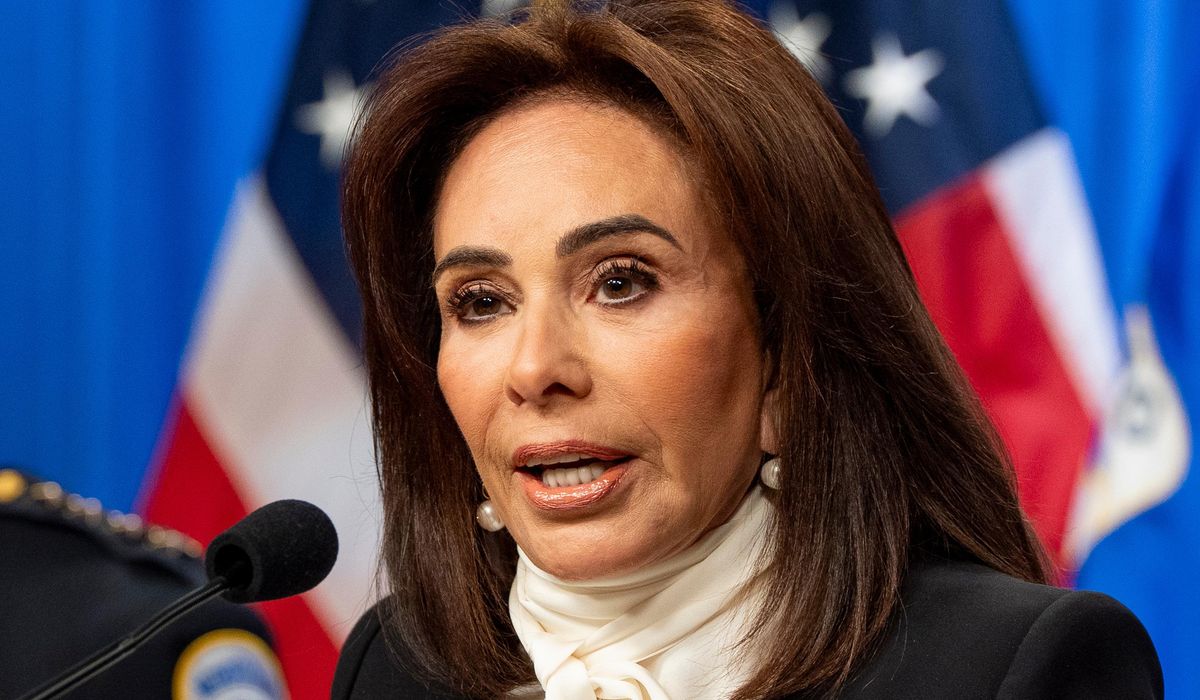
U.S. Attorney Jeanine Pirro said the FBI is joining the effort to track down the juveniles responsible for a melee that erupted inside a Navy Yard Chipotle and went viral over the weekend. The episode put a harsh spotlight on public safety, juvenile accountability, and how quickly violence spreads when social media gets involved.
U.S. Attorney Jeanine Pirro said the FBI is joining the effort to track down the juveniles responsible for a melee that erupted inside a Navy Yard Chipotle and went viral over the weekend. Local officers initially responded, but the move to bring in federal resources signals the case has crossed a line that demands broader investigative powers and coordination.
The disturbance unfolded in a busy restaurant during peak hours, with video footage showing dozens of people pushing and shoving as staff and customers scrambled to get out of the way. That raw footage circulated rapidly online, turning a closed incident into a public spectacle and forcing officials to act with both speed and transparency.
Investigators will be piecing together digital and physical evidence, from surveillance clips to social media posts and witness statements, to identify those involved and determine appropriate charges. When juveniles are suspected, the evidence-gathering phase is especially critical because it shapes whether the case moves through juvenile court or is elevated to adult proceedings under federal or state statutes.
From a Republican perspective, this is a straightforward law and order issue: violent behavior must be met with accountability regardless of age. Communities expect their courts and police to respond, and bringing federal agents into the picture underscores the seriousness of the conduct and the need to deter similar outbreaks.
Social platforms turned the incident into a trending item, often without context or restraint, and that amplification matters. Viral clips can obscure who started a fight, who tried to stop it, and what led up to the confrontation, yet they increase pressure on authorities to produce quick answers rather than measured justice.
Handling juvenile suspects raises practical challenges. Courts balance rehabilitation and public safety, but there are mechanisms to treat dangerous acts with the gravity they deserve, including transfer to adult court in severe cases or pursuing federal charges if interstate or civil rights issues appear. Any decision will be scrutinized for fairness and effectiveness.
Businesses in high-traffic neighborhoods face the fallout of these incidents in real time. Restaurants and shops absorb reputational damage, the cost of property repairs, and the expense of upgrading security measures. Owners will want to know how law enforcement will keep patrons safe and how civil remedies might address the losses they’ve suffered.
Officials, parents, and community leaders now have to confront a few uncomfortable truths: juveniles are capable of organized, aggressive behavior; social media rewards spectacle; and deterrence requires consistent consequences. The involvement of the FBI changes the scale of the investigation, and it demonstrates that when public safety is at stake, different layers of government will step in to restore order.

