

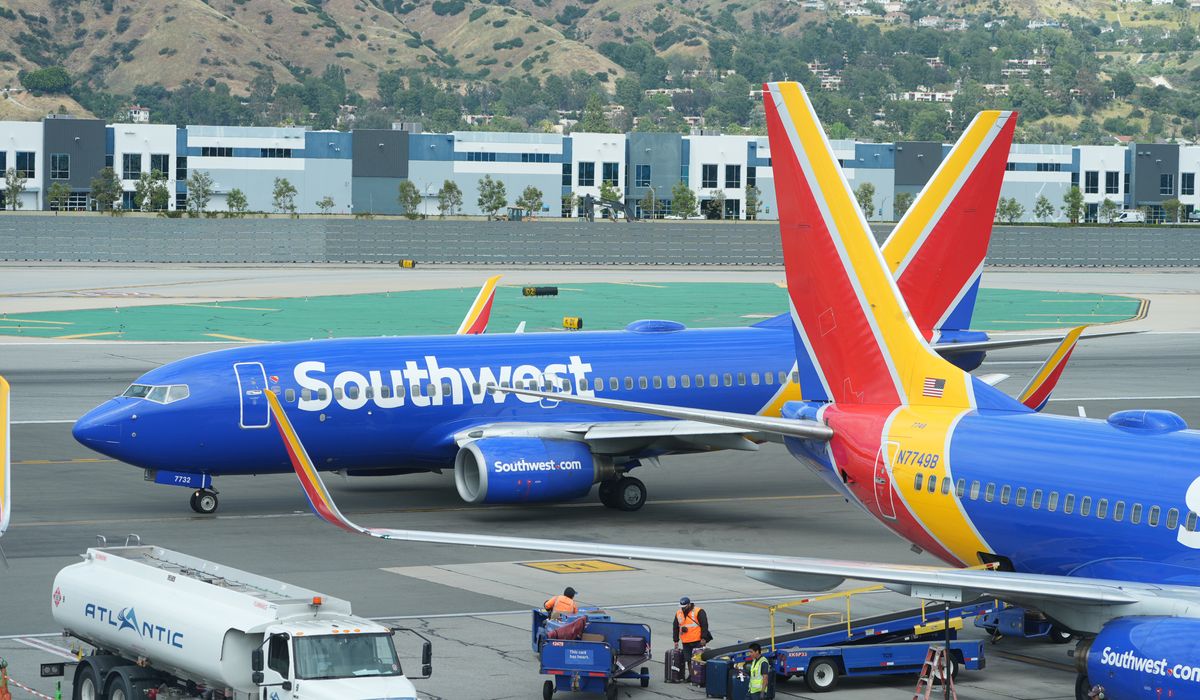
Southwest Airlines has updated its carry-on rules to bar humanoid and animal-like robots, setting off questions about safety, accessibility, and how airlines handle novelty tech in cabins.
“Southwest Airlines now bans passengers from bringing humanoid or animal-like robots on board.” That line is the new policy boiled down, and it landed fast across social feeds and traveler forums. The decision covers items that look like people or animals, and the wording has left plenty of room for interpretation. Passengers and advocates are sorting through what counts as a toy, a gadget, or a mobility aid.
The airline frames the change around in-cabin safety and the potential for distraction or obstruction. Small robots that move or make noise can create tripping hazards in aisles or interfere with emergency procedures, the company suggests. Battery-powered devices also raise questions about lithium battery rules and storage during flight. Agents now face the tricky job of deciding what stays and what goes at the gate.
Practical enforcement matters. Gate agents will likely ask travelers to check items that resemble humanoid or animal-like robots, and some devices may be refused entirely if they can’t be stowed safely. There’s a line between legitimate mobility equipment and novelty machines, and the policy attempts to draw it, though not every scenario is explicit. Riders of unconventional assistive tech may find themselves in tense conversations with staff.
Passengers responded quickly online, with responses spanning amusement, confusion, and concern. Some travelers joked about robot passengers and sci-fi scenarios, while others worried about accessibility and fairness for people using assistive robots. The optics of banning items that mimic living forms hasn’t helped calm those fears. Airlines now have to balance passenger comfort with the rights of people who rely on technology for daily functioning.
Regulatory frameworks complicate things further because there isn’t a universally accepted standard for classifying robots carried by passengers. Aviation safety rules already govern carry-on size, hazardous materials, and battery transport, but humanoid aesthetics introduce a new variable. Without a strict legal definition, airlines are left to write and enforce their own rules, and that patchwork approach creates inconsistency across carriers.
Manufacturers and designers of personal robots are watching closely. If airlines start rejecting a category of products, designers will need clearer labeling, detachable batteries, or guidance that helps travelers comply with airline policies. The market for companion and assistive robots is growing, and companies will have to adapt packaging and documentation to avoid gate-side disputes. Clearer product specs could make the difference between a smooth trip and a last-minute check-in.
Other airlines may follow suit or clarify their own policies, which could lead to a broader industry standard or just more fragmentation. Airports and carriers will have to train staff on how to handle devices that blur the line between equipment and life-like objects. Travelers who plan to bring novel tech onboard should prepare for questions and potential refusal, especially on busy flights where space and safety are at a premium.
There are simple, practical considerations to keep in mind without turning this into a tech standoff: how a device is carried, whether batteries are removable, and whether it can block an aisle or emergency exit. Contacting the airline ahead of travel or checking policy language can reduce surprises, and manufacturers can help by providing clear travel instructions. As personal robotics become more common, expect both policies and passenger habits to evolve in response.

