

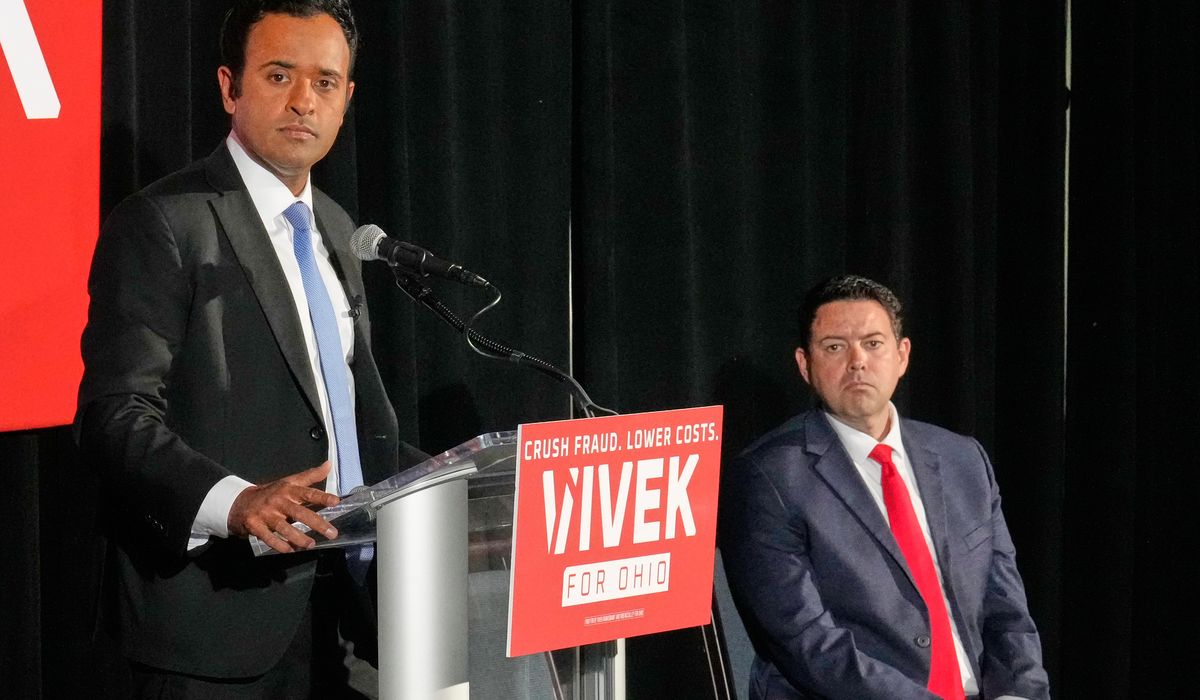
Vice President JD Vance’s decision to push Medicaid fraud enforcement into Ohio has provoked a fast political response from the state’s Republican ranks, forcing leaders to weigh enforcement, messaging, and intra-party unity.
Vice President JD Vance’s move to expand the fight against Medicaid fraud from Democratic-run states into his red home state of Ohio hits a nerve with local Republicans. It is a clear signal that federal scrutiny will reach everywhere fraud threatens taxpayer dollars, not just places that are politically convenient. Republicans in Ohio now face the immediate task of aligning state enforcement with a tougher federal posture while defending conservative priorities. The scramble among party officials reflects the stakes: accountability for spending without undermining public assistance for those who need it.
Republican officials across Ohio are reacting on two fronts: practical enforcement and political optics. On the enforcement side they are examining state oversight mechanisms and considering sharper audits and prosecutions to show they can police their own backyard. Politically they must avoid appearing defensive in the face of legitimate federal investigations, because that would hand Democrats a talking point about lax governance. For Republicans, taking the lead on rooting out fraud is both prudent policy and good politics.
There are legitimate concerns about how enforcement is handled on the ground, and voters will watch for results rather than rhetoric. Strengthening data sharing between state and federal agencies, improving case tracking, and streamlining prosecutions are practical moves that illustrate seriousness. Republicans should push for efficient, transparent processes that protect due process while moving quickly against bad actors. The goal is to show taxpayers their money is safeguarded without turning enforcement into a partisan weapon.
Ohio’s Republican leaders also need to manage intra-party disagreements that the announcement exposed. Some officeholders worry the federal spotlight will complicate local budgets or scare vulnerable beneficiaries away from necessary care. Others see a political opportunity to demonstrate conservative commitment to fiscal responsibility and rule of law. Balancing those viewpoints means promoting policies that tighten controls and preserve access for the genuinely needy, a position consistent with conservative fiscal stewardship and compassion.
Messaging will matter as much as policy. Republicans should communicate clearly that fighting fraud protects vital programs and preserves public trust. That message resonates with voters across the political spectrum when it is tied to concrete reforms and measurable outcomes. Avoiding defensive posture and instead offering a forward-looking plan will blunt Democratic critiques and build credibility for Republican governance in Ohio.
There are technical choices to make, and sensible ones include prioritizing high-impact cases and improving preventive measures. Targeting large-scale fraud and organized schemes delivers the biggest returns for taxpayers, while better verification tools reduce opportunities for abuse before benefits are paid. Republican leadership can champion these changes without expanding entitlement programs, showing that smart oversight achieves fiscal discipline.
Legal and jurisdictional issues will need careful attention to prevent procedural missteps that could undermine prosecutions. Republicans should insist on rigorous evidence gathering and coordination with federal prosecutors to ensure cases hold up in court. At the same time, preserving civil liberties and fair hearings for alleged offenders protects the integrity of the process and avoids giving opponents easy ground to claim overreach.
The political consequence of Vice President JD Vance’s action is clear: Ohio Republicans can either lead on cleaning up Medicaid fraud or risk appearing passive. Taking initiative gives the party a chance to lock down a narrative of competence and accountability. The immediate scramble reflects both the challenge and the opportunity—to make enforcement a conservative success story that protects taxpayers and preserves essential services for those who truly need them.

