

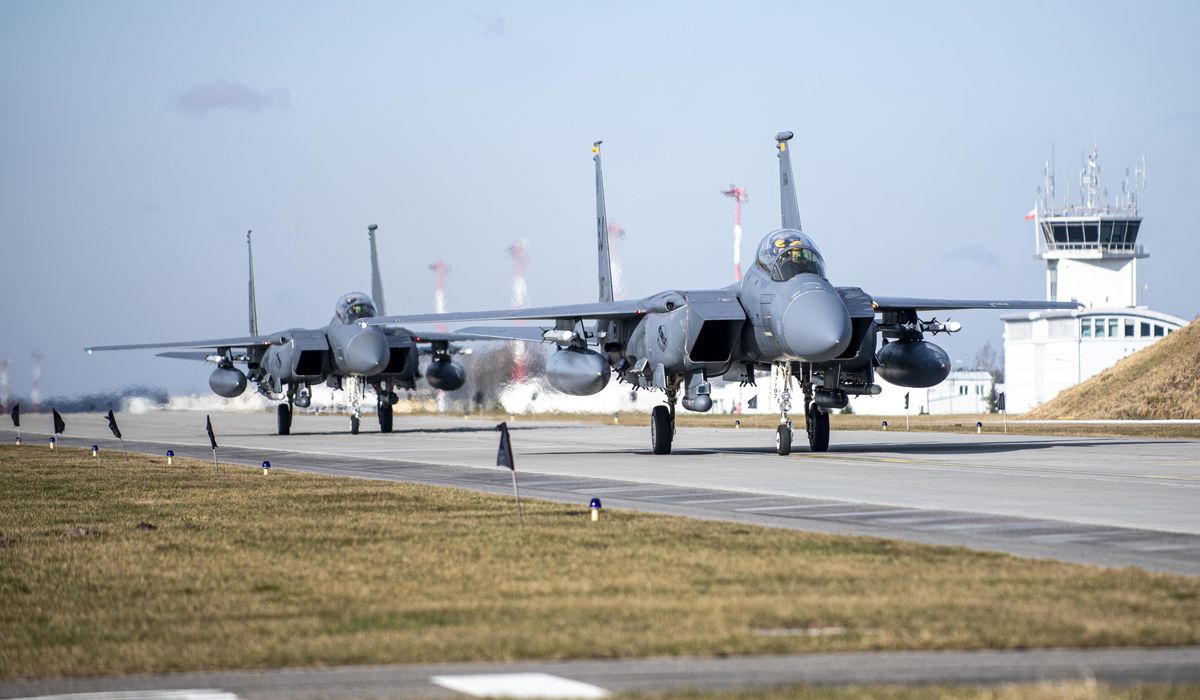
Poland has offered to build the infrastructure needed to host a permanent U.S. troop presence, aiming to “clarify the situation” between the two longtime NATO allies and set a firmer, more predictable defense posture.
Poland’s proposal is straightforward: invest in hardened bases, barracks, and logistics nodes so American forces can be stationed there long term rather than rotating in and out on an ad hoc basis. The idea appeals to those who want clear commitments and visible deterrence along NATO’s eastern flank. For conservatives, a permanent footprint signals resolve and reduces ambiguity that adversaries might exploit.
Strategically, a permanent presence shifts deterrence from theory to reality by making reinforcement plans more credible and response times faster. Forward basing allows prepositioned equipment and consolidated supply lines that support rapid action if needed. From a Republican perspective, strength and clarity keep potential foes guessing and reassure allied publics who expect protection.
Operationally, building that infrastructure is no small task and requires long-term coordination between defense planners on both sides. Upgrades would likely include expanded airfields, maintenance depots, fuel storage, and secure communications to sustain a brigade or more. When facilities are ready, training cycles and joint exercises become more efficient because units operate from familiar, permanent locations.
On costs, the Polish offer removes a big political obstacle because host-nation investment demonstrates burden-sharing in tangible terms. Washington still needs to decide how much to spend on construction versus stationing, and which units would be based there permanently. Republicans often argue that allies who pay for their own defense deserve greater strategic attention and faster approvals for basing arrangements.
Legal arrangements matter as much as concrete facilities, and a clear status of forces agreement would be essential to avoid disputes over jurisdiction and command. The United States and Poland would need to settle customs, fiscal liabilities, and criminal jurisdiction for deployed personnel. A tight agreement reduces friction and makes a permanent presence sustainable under changing political winds back home.
Politically, the move sends a message to other NATO members that deterrence is a shared priority and not left to vague diplomatic statements. It would also force conversations in Brussels about interoperable logistics and collective readiness metrics. For policymakers who distrust open-ended commitments without guarantees, a base with signed terms provides a better foundation for allied planning.
Critics will warn the step risks escalation by creating fixed targets and provoking hostile reactions from Moscow, concerns that deserve sober attention. A permanent footprint must be designed with resilience in mind, including dispersal, hardening, and redundancy to complicate any adversary’s attack plan. Republicans tend to accept short-term risks when the long-term payoff is a stronger defense posture that protects American interests and allies.
From a readiness viewpoint, permanent basing supports prepositioned gear, predictable sustainment, and continuous local engagement that boosts interoperability. That setup can lower deployment friction for crisis response and improve peacetime cooperation on reconnaissance and logistics. The real benefit is not symbolic; it is a measurable increase in the speed and scale of whatever joint operations the alliance chooses to undertake.
Next steps would require negotiated timelines, congressional oversight on funding, and clear milestones so both publics can see progress without surprises. Polish investment is attractive politically, but Washington will weigh force posture, national priorities, and legal safeguards before committing. If both sides keep the focus on clear, enforceable terms, the arrangement can be a durable element of NATO’s eastern defense posture.

