

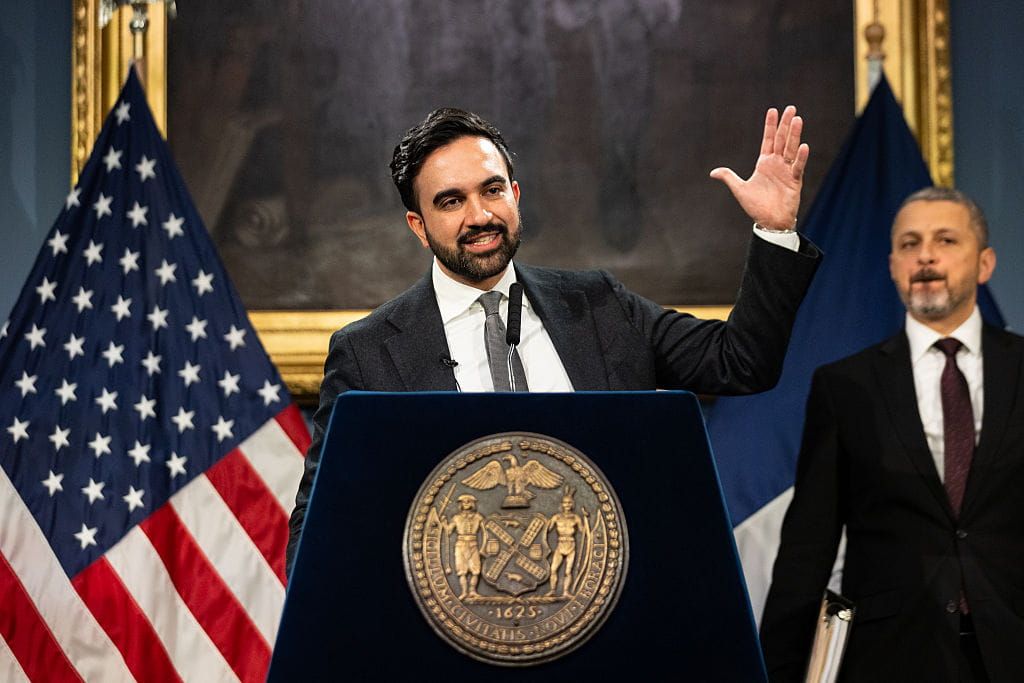
Zohran Mamdani’s rhetoric about balanced budgets and $50 World Cup tickets gets a hard look, questioning whether his democratic socialist posture matches the fiscal choices and political theatrics he promotes.
Zohran Mamdani has been making headlines by linking progressive slogans with popular causes, and that mix deserves scrutiny. His public posture frames small-government complaints as outmoded while promising big-ticket affordability. “Is democratic socialism winning? Yes, if you ignore facts.” That line keeps resurfacing because it captures a wider debate about promises versus outcomes.
On May 23, 2026, critics pointed to the contrast between balanced-budget claims and support for high-cost public subsidies. Voters are being asked to choose between responsible fiscal policy and programs that claim affordability but shift costs onto taxpayers. From a Republican perspective, accountability and clear trade-offs matter more than slogans. People want to know who pays and what gets cut when budgets are reworked to accommodate political priorities.
There’s a pattern worth noting: appeal to fairness, then popularize specific giveaways that require ongoing funding. Cheap tickets, subsidies, or price controls can sound attractive up front, but they create long-term obligations. Fiscal conservatism argues those obligations compound into higher taxes, reduced services, or borrowing that burdens future generations. That’s the core tension when elected leaders promise easy wins without showing the math.
The $50 World Cup ticket pitch is emblematic: it’s a headline-friendly promise that bypasses the underlying funding realities. Advocates tout access and equity, but they often leave out how venues, security, and infrastructure are underwritten. The Republican view stresses that markets and private investment are better at delivering entertainment at scale without saddling taxpayers. If public dollars are used, transparency about trade-offs should be nonnegotiable.
Balanced-budget talk needs more than catchy slogans; it needs enforceable plans and realistic revenue projections. Politicians who trumpet fiscal responsibility while backing open-ended spending undermine public trust. Republicans push for spending discipline and limited government so taxpayers are not stuck covering recurring boons. Voters deserve specifics rather than rhetorical flourishes that sound good in a stump speech.
When a lawmaker embraces populist language, it should be matched by policy details that survive scrutiny. Otherwise, political theater replaces governance and the bills arrive later, usually with interest. The conservative argument is simple: demand audits, line-item clarity, and sunset clauses for new programs. That approach protects services people rely on without creating permanent fiscal commitments for temporary political wins.
There’s also a civic angle: cheap ticket promises can distort priorities and reward special interests. Event hosting and cultural subsidies can enrich developers and connected firms if procurement and oversight are weak. Republicans warn against crony capitalism dressed up as social policy, and they favor competitive, transparent processes that minimize favoritism. This keeps the focus on fair rules, not inside deals.
On the political front, using populist narratives to mask fiscal trade-offs risks alienating voters who care about both opportunity and stability. Conservative messaging emphasizes personal responsibility alongside public prudence, arguing that sustainable prosperity demands both. If leaders want durable support, they should present realistic budgets that balance aspiration with arithmetic. That’s how responsible elections translate into responsible governance.
Ultimately, the debate over Mamdani’s positions is part of a bigger question about how to fund public life without hollowing out future options. Republicans contend that responsible stewardship requires restraint and clear accountability, not catchy price points that may hide costs. The public conversation should insist on numbers, oversight, and alternatives that preserve fiscal integrity while expanding access where market solutions fall short.

