

This article reports on a deadly coal mine gas explosion in northern Shanxi province, outlines the immediate rescue and response, places the event in recent context, and discusses safety and oversight concerns that follow.
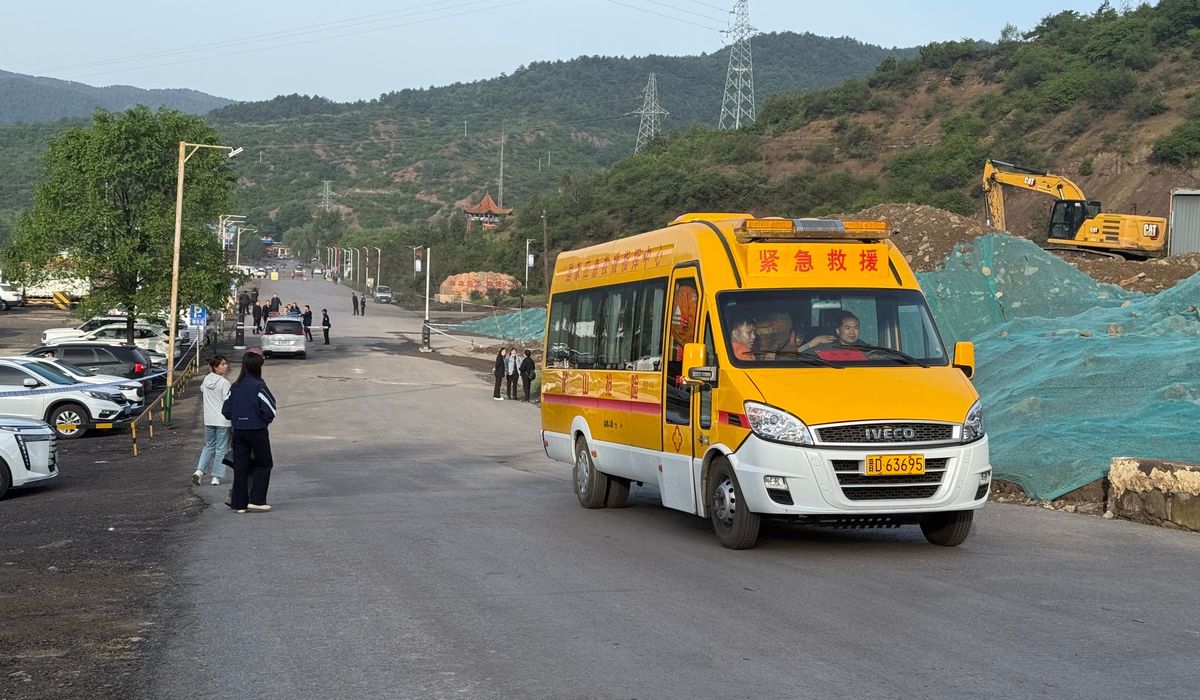
A gas explosion at a coal mine in China’s northern Shanxi province killed at least 90 people, state media said on Saturday, in the country’s deadliest mining accident in recent years. Local emergency teams rushed to the scene and began overnight operations to reach trapped miners, while officials announced an investigation into the causes. Survivors and relatives were moved to nearby facilities where authorities provided initial medical care and counseling. The scale of the casualties has drawn national attention and prompted swift statements from provincial leaders.
Rescue crews faced hazardous conditions including residual gas, unstable mine structures, and limited visibility as they worked to recover victims and ensure no one else remained underground. Specialized teams with breathing apparatus and detection equipment were deployed, and temporary command centers coordinated the response. Hospitals in the region prepared for trauma cases and dispatched additional staff to handle potential influxes. Families of miners were kept informed through local officials and emergency hotlines.
The accident highlights persistent safety challenges in underground coal operations, where gas accumulation and poor ventilation remain central risks. Inspectors often emphasize the need for modern monitoring systems and stricter enforcement of safety protocols to prevent such explosions. In recent years regulators have closed smaller, unsafe operations, but incidents still occur, particularly in older mines with legacy infrastructure. Experts point to a combination of technical failures and management lapses as recurring contributors to high-casualty events.
Provincial authorities said they would launch a formal inquiry to determine whether regulations were followed, whether equipment failed, and if there was any negligence in oversight or maintenance. Investigations typically include on-site inspections, review of ventilation logs, maintenance records, and interviews with mine staff and supervisors. Criminal liability can be pursued when clear negligence or violations are identified, and administrative penalties often follow for lapses in safety compliance. Public updates on progress are usually issued at regular intervals to maintain transparency.
For the local community the human cost is immediate and profound, with families losing breadwinners and neighbors mourning colleagues who worked in tight-knit crews. Local governments usually set up support services, including financial aid and funeral arrangements, and coordinate with employers on compensation matters. Community leaders and labor representatives will likely press for clearer accountability and better protections for miners. The social aftermath also includes disruption to local economies that depend on mine employment and associated businesses.
Industry analysts note that safer technologies exist, including automated gas detection, remote monitoring, and improved ventilation engineering, yet their adoption is uneven across regions and companies. Investment in safety infrastructure can be costly, and smaller operators sometimes defer upgrades to preserve margins. Encouraging compliance will require a mix of incentives, stricter inspections, and penalties tied to enforcement outcomes. Long-term reductions in fatalities hinge on both modernizing equipment and cultivating a safety culture that empowers workers to report hazards without fear of reprisal.
International observers and trade groups tracking mining safety say shared lessons from past incidents can inform better practices, from emergency preparedness to worker training and community engagement. Regular drills, redundant communication systems, and clearer evacuation routes are common recommendations after major accidents. Collaboration between regulators, industry, and workers helps ensure that standards evolve with technology and that lessons from tragedies translate into concrete change. The goal is to lower the risk that miners face and to prevent losses that reverberate through families and towns.
Officials have pledged to follow up on the immediate investigative findings and to take measures to reduce the chance of repeats at other operations in the province. In the coming days authorities are expected to release more detailed reports on the timeline of events, equipment status, and any violations uncovered. Meanwhile, emergency teams will continue recovery operations until all affected areas are cleared and declared safe. The human impact remains central as communities begin to cope with the aftermath of this catastrophic event.

