

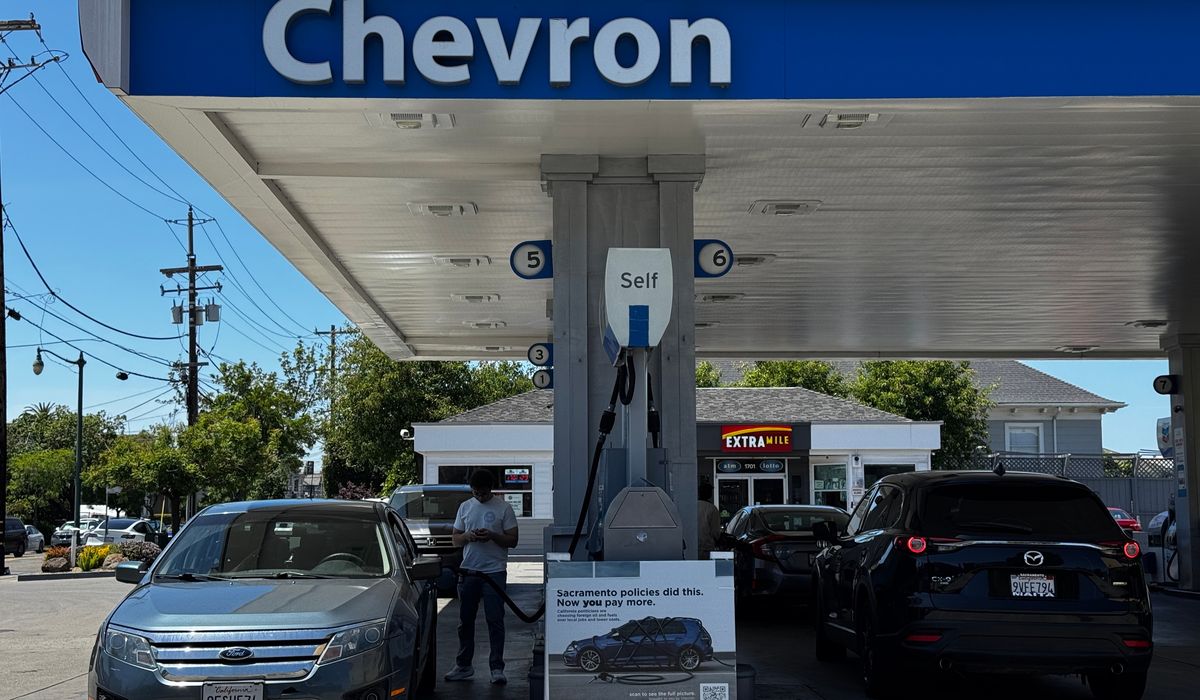
California’s governor is publicly sparring with a major oil company over who is responsible for the state’s high gas prices, and the dispute has become a test of political blame, market forces, and state policy.
California Gov. Gavin Newsom has entered a public confrontation with a major oil company over responsibility for elevated gas prices, and his office has urged drivers not to fill up at certain locations connected to the dispute. The back-and-forth is loud and political, with both sides trading blame while everyday motorists feel the impact at the pump. This standoff lays bare tensions between elected leaders and energy firms during a period of persistent price pressure.
The governor frames the issue as a corporate failure and a matter of fairness, arguing that consumers are being gouged and that companies should be held to account. His rhetoric plays well with voters who are angry about sticker shock at the gas station, but rhetoric is not the same as policy. Blaming a single company ignores the complex network of factors that determine retail fuel prices.
Fuel pricing in California reflects a combination of global crude markets, refinery operations, distribution costs, and state-level taxes and fees, not simply the decisions of a single oil firm. Refinery maintenance, imports and exports, and the volatility of international markets all move the baseline price. Any credible analysis has to account for those variables before assigning blame.
California also operates under a different set of rules than most states, with stricter environmental standards and higher fuel formulation costs that make refining and distribution more expensive. Those regulatory choices, combined with one of the highest tax burdens on gasoline in the country, drive a steady component of pump prices. Pointing a finger at an oil company without addressing these policy levers is political theater more than a plan.
The oil company involved has pushed back, saying prices reflect market conditions and operational realities rather than deliberate overcharging. Producers and refiners argue that profit margins often remain modest once you factor in capital investment, labor, and compliance costs. That explanation does not appease consumers, but it does explain why pricing decisions are rarely as simple as elected officials claim.
From a Republican viewpoint, the governor’s public campaign against a private company looks like an attempt to scapegoat the private sector while avoiding tough choices over taxes and regulations. It is easier politically to demonize a corporation than to explain tradeoffs inherent in environmental rules and permitting delays that increase costs. Voters deserve straight talk about what policy decisions actually cost them at the pump.
Those real costs show up for families and small businesses. Commuters, delivery drivers, and operators of commercial fleets encounter rising operating expenses that feed into higher prices for goods and services. When leaders focus on headlines instead of fixes, consumers are left paying more while the political fight plays out.
Practical change requires looking at supply-side constraints as well as demand management. Increasing refinery throughput, easing bottlenecks in distribution, and streamlining permitting for energy infrastructure can help reduce volatility and long-term cost. At the same time, state policymakers need to evaluate the cumulative cost of regulations and taxes that uniquely burden California drivers.
The dispute also signals how energy debates will be framed in upcoming political cycles. Republicans will point to this episode as an example of how Democratic governance, with a focus on aggressive environmental mandates and higher taxes, contributes to higher living costs. That framing resonates with voters who measure policy success in terms of affordability and reliability, not just environmental ambition.
For the oil company, defending pricing as market-driven is a necessary posture, but companies should also recognize the political reality and work with stakeholders to reduce public frustration. Transparency around cost breakdowns and engagement on practical solutions could defuse some of the headline risk. At the same time, politicians who demand accountability should be ready to change policies that contribute to higher prices.
Ultimately, the clash is less about a single gas station or a single company and more about the balance between regulation, market forces, and political responsibility. Californians paying at the pump need durable fixes that lower costs without sacrificing needed infrastructure or safety. Until leaders address those underlying tradeoffs, the drama at the microphone will keep outpacing meaningful progress.


1 Comment
If Newsome runs another member of Big Oil out of California this will increase prices for consumers. When a company is denied the opportunity to make a reasonable profit on their product, they will go where they can or close down completely. Either way, you will get what you wish for. He should be very careful about forming policies to the detriment of the citizens of his state.