

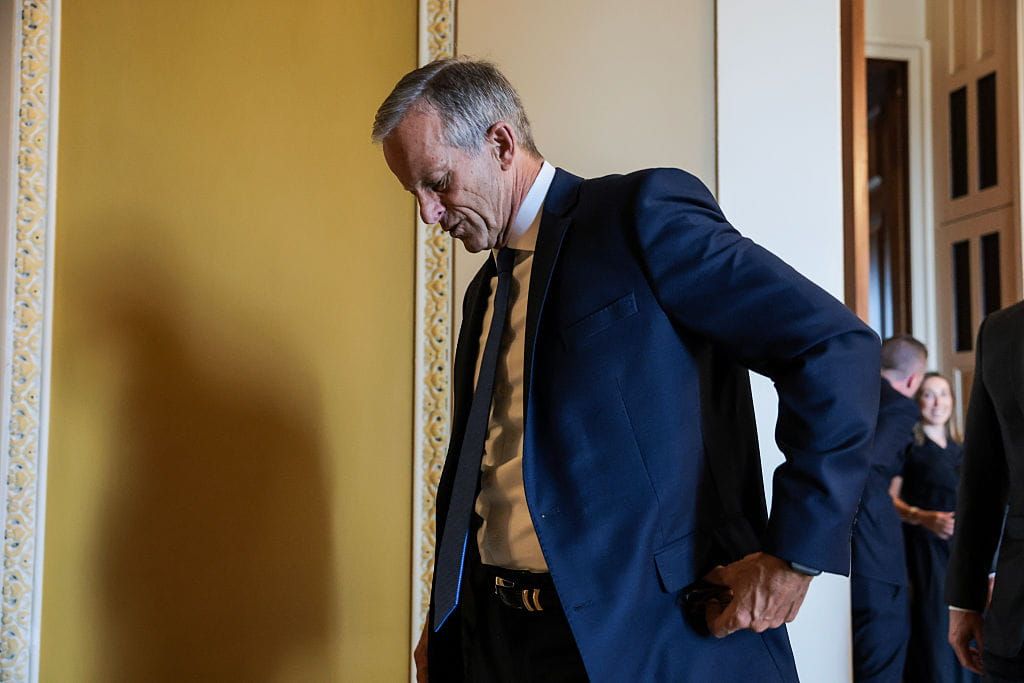
The GOP revolt over a Trump-IRS agreement has pushed reconciliation off schedule, exposed deep fissures over fiscal control, and left lawmakers on both sides scrambling for leverage on May 23, 2026.
Republicans in Congress erupted this week after reports surfaced of a deal between the White House and the IRS to create a new presidential fund tied to tax enforcement. Conservative members argued the move handed an agency too much discretionary power while bypassing traditional budgetary checks. That pushback stalled reconciliation talks and forced leaders to reassess their next steps.
Many Republicans framed the disagreement as a test of principles versus pragmatism, saying fiscal restraint cannot be sacrificed for political convenience. Rank-and-file conservatives warned that empowering the IRS with a slush fund would erode taxpayer trust and reward cronies without oversight. Their objections were blunt and public, making it politically costly to move forward without concessions.
On the other side, the White House defended the arrangement as a practical tool to ensure enforcement and fund priorities without raising visible taxes. Administration spokespeople argued the mechanism would close loopholes and strengthen collections, creating revenue to pay for key initiatives. That rationale did little to calm GOP anxieties over scope and transparency.
“The president’s new fund has lawmakers on both sides upset.”
Moderate Republicans and some Democrats expressed concern about the optics and precedent, noting any agency-controlled pot of money invites mission creep. The bipartisan unease turned into procedural resistance, with lawmakers using parliamentary tactics to delay reconciliation items until clearer rules are spelled out. Those maneuvers bought time but also heightened tensions inside both parties.
Conservative critics asked pointed questions about auditing standards, reporting requirements, and congressional oversight of the proposed fund. They demanded explicit guardrails and sunset provisions before allowing reconciliation to proceed. Without those safeguards, many felt they could not justify approving a package that included this element.
Reconciliation leaders, hoping for a smooth path to enact broader priorities, suddenly found their timeline blown up. Staffers intensified negotiations behind closed doors while public statements grew sharper and more partisan. The result was a palpable sense of disarray as lawmakers calibrated political risk ahead of votes.
Several Republican voices stressed that any deal must respect long-held limits on the IRS’s reach and preserve the power of the purse for Congress. That stance resonated with conservative activists and donors who view tax administration as a frontline issue. Party strategists noted the potential electoral cost of appearing to expand an agency already unpopular with many voters.
Democrats countered that strong enforcement tools are necessary to ensure fairness and to fund priorities without raising taxes across the board. They argued the fund would level the playing field and capture revenue that currently slips away through complex loopholes. Still, internal Democratic qualms over centralized control surfaced, complicating the coalition needed for reconciliation.
Procedural delays mean lawmakers will likely revisit the matter in committee and on the floor, where amendments and compromises can reshape the proposal. Those hearings will test the depth of Republican unity and the administration’s willingness to accept constraints. For now, the calendar is uncertain and legislative momentum has cooled.
Republican leaders face a balancing act: rein in an unpopular expansion of executive power while not appearing obstructionist on broader policy goals. That tension will influence messaging and vote counts as negotiators try to salvage parts of the package. Conservatives insist that any path forward must include transparency measures that make funding flows visible to taxpayers and appropriators alike.
Rank-and-file members have signaled they will press for enforceable language, specific oversight mechanisms, and periodic reviews to prevent mission drift. Those demands aim to convert a contentious political fight into a legislative compromise that protects constitutional budget authority. If negotiators meet those terms, some holdouts might return to the fold; if not, the stalemate could drag on.
The fallout from this episode reaches beyond one bill or one deadline, shaping intra-party dynamics and public perceptions heading into future elections. GOP activists are watching to see whether leaders can translate their objections into concrete policy changes or whether the status quo prevails. The outcome will affect how voters judge the party’s commitment to conservative principles on fiscal accountability.
As May 23, 2026 unfolded, the story remained fluid with negotiations continuing and public statements escalating. Lawmakers on both sides were preparing for a period of intense scrutiny and possible legislative rewrites. For now, reconciliation is delayed and trust, already brittle, will be a central issue in the rounds to come.
(Photo by Anna Moneymaker/Getty Images)

