

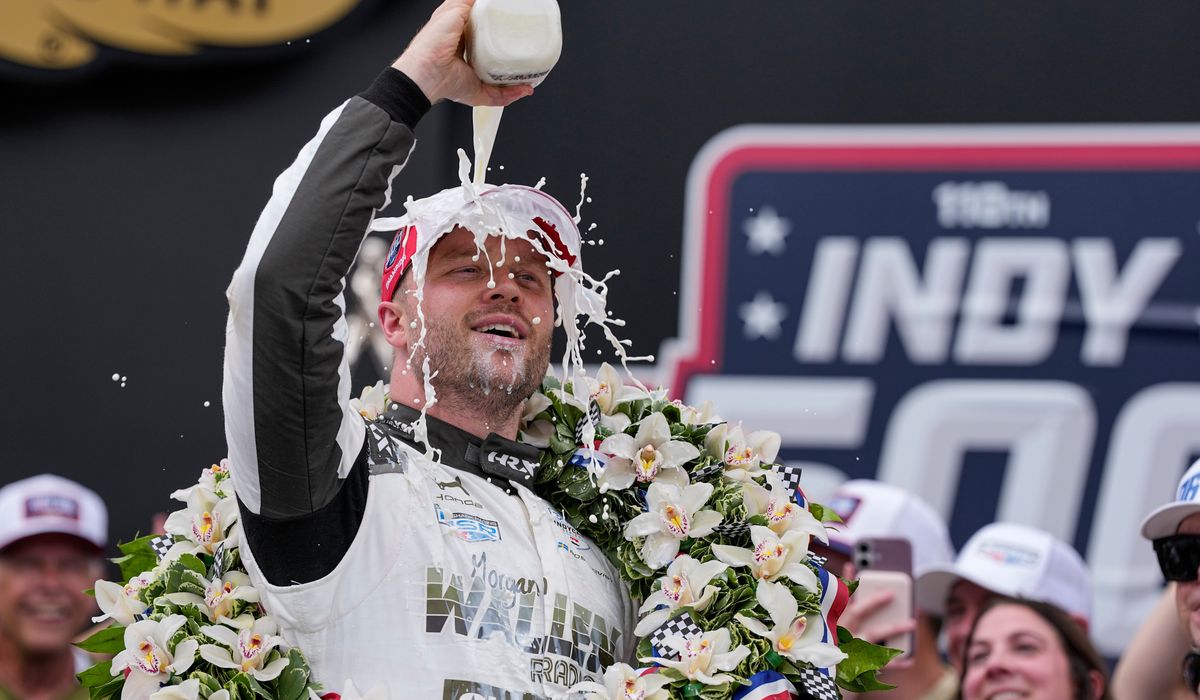
Felix Rosenqvist beat David Malukas in a last‑gasp move to win the closest Indianapolis 500 on record, crossing the line just 0.0233 seconds ahead after a dramatic outside pass near the finish.
The finish at Indianapolis was the kind of edge‑of‑your‑seat moment fans live for, and the timing and split seconds made every call and move matter. Teams and drivers scrambled to read the final laps, and the crowd got a finish that will be replayed for years. The margin of victory underscored how small decisions and perfect execution decide big races.
“Felix Rosenqvist swung to the outside of David Malukas, then found a way past the Team Penske driver to win the closest Indianapolis 500 in history by a margin of 0.0233 seconds on Sunday.” That sentence captures the instantaneous swing from chase to celebration, and it does not overstate how razor‑thin the gap was at the stripe. The image of Rosenqvist sweeping wide and then sneaking ahead is how this race will be remembered.
Rosenqvist’s timing into traffic and his late throttle control gave him the opening he needed, and the move was as much about nerve as it was about horsepower. Malukas defended hard and left space that Rosenqvist exploited perfectly, turning a tight window into a historic result. That kind of execution under pressure is what separates winners at Indianapolis.
Strategically, the finale rewarded drivers who kept tires in the right shape and stayed calm through late cautions and restarts, and crews that executed pit work without drama. Teams that gambled on fuel or tires found themselves either rewarded or burned, and the close finish shows how balanced the field really was. Small advantages in setup or pit timing became huge in the race’s final seconds.
The paddock reaction mixed stunned silence with roaring celebration as teams replayed the last lap in their heads, looking for the exact moment the race tipped. Rosenqvist’s crew spilled onto pit lane with relief and excitement, while rival teams quickly dissected telemetry to see where a few tenths could have been gained. In a race decided by hundredths, every micro‑adjustment matters for the next time around.
For fans, the finish was both thrilling and a reminder of why Indy has a special place in American motorsport, where laps are long, speeds are high, and finishes can be surgical. The drama was made even richer by the history and prestige wrapped up in the event, giving a win here an extra weight few other races can match. It’s the kind of ending that brings both instant fame and new questions about how to beat a rival by such a narrow margin.
Looking forward, teams will study replays for weeks to pull apart line choice, slipstream timing, and exit speeds that decided the race by 0.0233 seconds. Drivers and engineers will use this finish to sharpen racecraft and to remember that patience and opportunism pay off in the most dramatic way. The lessons from this finish will shape setups and strategies in the seasons to come.
On a human level, moments like this highlight the thin line between heartbreak and glory, and they show why drivers keep coming back to push a little harder. Rosenqvist gets the trophy and the headlines, but the margin reminds everyone how unpredictable racing is when talent meets pressure. The Indianapolis 500 added another unforgettable chapter with a finish that will be talked about long after the checkered flag.

