

A quick summary: A man opened fire at a security checkpoint outside the White House, Secret Service officers returned fire and fatally shot the suspect, and a bystander who was struck remained in serious but stable condition on Sunday.
A bystander who was struck by gunfire after a man fired on a checkpoint outside the White House and was fatally shot by U.S. Secret Service officers remained in serious but stable condition Sunday. The incident unfolded at a heavily monitored entry point used to protect the White House complex, where officers are trained to respond immediately to threats. Officials closed parts of the area while first responders treated the wounded and secured the scene. The rapid chain of events left residents and visitors shaken and asking how such a breach could happen so close to the seat of government.
The Secret Service has primary responsibility for protecting the president and the White House grounds, and that responsibility requires split-second decisions when a deadly threat appears. Witnesses described hearing shots and seeing agents move quickly into position, then returning fire when the attacker posed an immediate danger. Those actions ended the active threat within minutes, and medical teams moved to stabilize the wounded civilian before transporting them to a hospital. Law enforcement is now balancing a full investigation with the need to reassure a public that expects both safety and transparency.
Any use of lethal force by protective officers invites scrutiny, and this case will be no different. Investigators must determine the timeline of the suspect’s actions, the nature of the threat, and whether protocols were followed precisely. That review should be prompt and thorough so the public can see that procedures are being honored and any lessons learned will be applied. In the meantime, the priority remains the recovery of the injured bystander and ensuring no other civilians were harmed.
Security checkpoints around sensitive federal sites are the first line of defense for both officials and ordinary people going about their day. When a shooter aimed at a checkpoint, the consequences could have been far worse if agents had not acted immediately. We ought to recognize the difficulty of those moments and the value of officers trained to stop attacks before they spread. At the same time, oversight and accountability are not optional; they are essential for public trust and for making sure protective operations evolve with new threats.
From a law-and-order perspective, there is a simple obligation: support the officers who stopped the attack while insisting on a full public accounting of what happened. That balance reinforces confidence in institutions without diminishing the need to examine any mistakes. Families of the wounded deserve straightforward answers and compassion from officials handling the case. Local and federal investigators will piece together camera footage, witness statements, and radio traffic to establish the facts.
The families of victims and bystanders caught in such incidents often face long recoveries and emotional fallout that lasts well beyond the headlines. Community resources and victim services should be activated quickly to help those affected navigate medical bills, trauma counseling, and insurance claims. Elected leaders and agency heads can help by making sure assistance is available without delay and by keeping communication channels open. That is how communities recover: factual updates, practical support, and visible leadership.
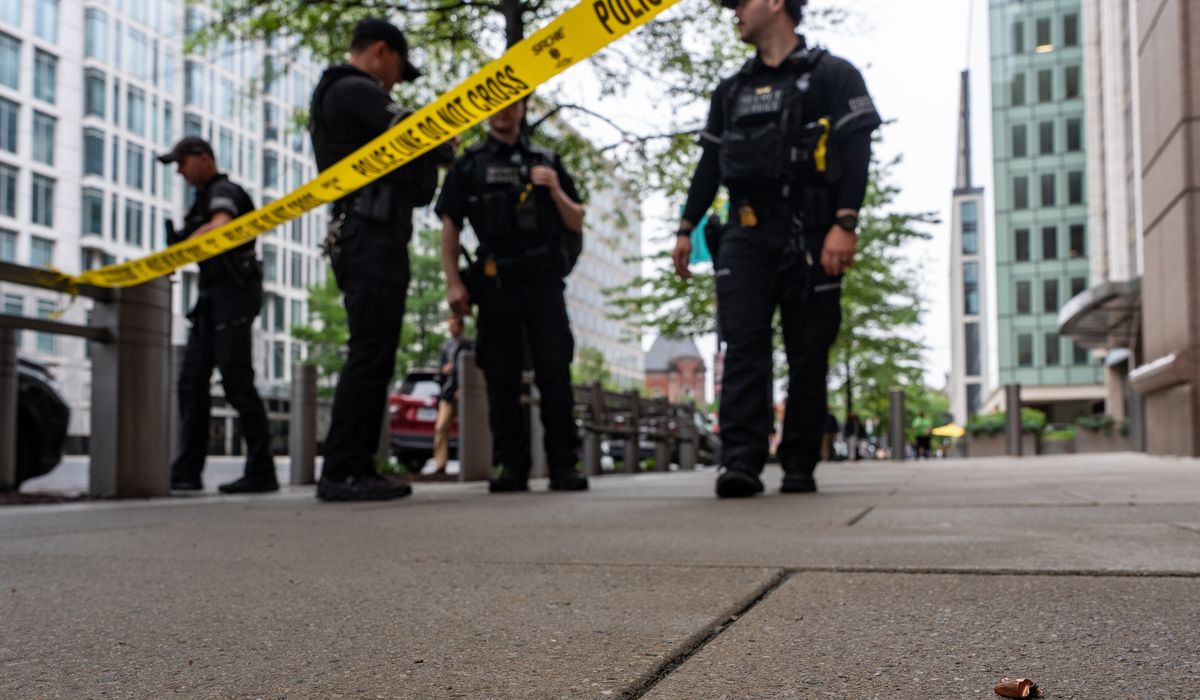
Officials on scene cordoned off the immediate area while forensic teams documented evidence and collected information. Traffic and pedestrian flows were rerouted, and local law enforcement coordinated with federal personnel to manage the perimeter. That coordination is a routine but critical part of responding to threats near federal buildings, and it will be reviewed to see if any adjustments are needed. The aim of investigators will be to understand every element of the encounter so similar risks can be reduced in the future.
As the investigation continues, residents and visitors will be looking for concrete steps to reduce the chance of a repeat. That includes evaluating checkpoint placement and staffing, reviewing intelligence and threat detection protocols, and ensuring medical response times are optimized. There must be no gap between public expectation and operational reality: people expect safety when they are close to the nation’s central institutions. The coming days will show whether authorities deliver answers and enact any necessary changes.

