

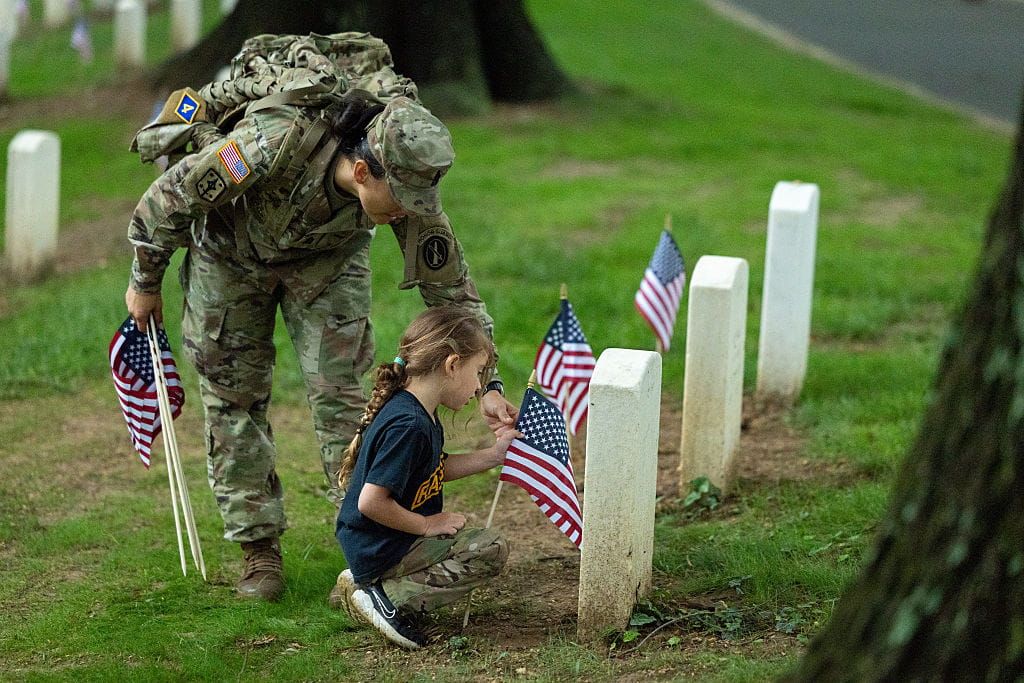
Memorial Day still brings Americans together, a day when neighborhoods, cemeteries, and families pause to honor those who gave the last full measure of devotion, and where traditions matter more than the weekend shopping list.
It’s remembrance more than spending. Across small towns and big cities, the holiday has kept a steady purpose: to mark sacrifice and to center communities around memory rather than merchandise. Even as our culture rushes toward commerce, Memorial Day remains one of the few national pauses where respect for service is the public script.
Parades, flag ceremonies, and graveside visits are not just rituals; they are a practical civics lesson passed down in plain terms. Kids learn to remove caps, to stand at attention, and to listen when names are read aloud. Those moments teach a civic reverence that no classroom lecture can replicate, and that continuity matters for a free republic.
Family gatherings and backyard barbecues are part of the day, but they exist alongside solemn duty rather than replacing it. Veterans’ organizations and local volunteers still coordinate wreath-laying and grave decorations with steady devotion. The mix of celebration and sobriety keeps the holiday honest: gratitude accompanied by remembrance.
American unity on Memorial Day is simple and concrete, not partisan. People from different political views stand together at cemetery gates and town squares, honoring neighbors and relatives who served. That shared ritual is a reminder that national loyalty and respect for the fallen are bedrock commitments that outlast political seasons.
Media and retail push commercialization hard, yet communities often push back by preserving the day’s original focus. Small towns set timetables for ceremonies, and families quietly maintain lists of those to remember. In that tension between commerce and commemoration, local effort usually wins because people choose to show up and do the work themselves.
Supporting veterans when they return is part of the same moral contract that Memorial Day emphasizes. Adequate medical care, jobs, and stable benefits are practical expressions of gratitude that matter long after parades end. Respect in words without action rings hollow, so attention to policy and local programs is a necessary extension of the holiday’s spirit.
Historical memory shapes civic identity, and Memorial Day anchors the story Americans tell about duty and sacrifice. Monuments, plaques, and civic roll calls keep names from fading, and that persistence helps younger generations understand why service mattered. When communities maintain these markers, they defend a tradition of accountability to those who bore the burden.
There is also a quiet political point: honoring service should not be reduced to sound bites or photo ops. Public officials who use the day for empty gestures cheapen the meaning; conversely, those who show up and listen earn genuine trust. Visits to cemeteries, attendance at local ceremonies, and meetings with veterans reveal priorities more clearly than press releases ever will.
On May 24, 2026, as people planned long weekends or folded flags, the underlying practice remained the same: stop, remember, and keep the promise to honor the dead by caring for the living. That practice keeps communities grounded and preserves a civic ethic that supports national resilience. Memorial Day endures because it mixes duty with ordinary American life, making patriotism a lived habit rather than an abstract idea.

