

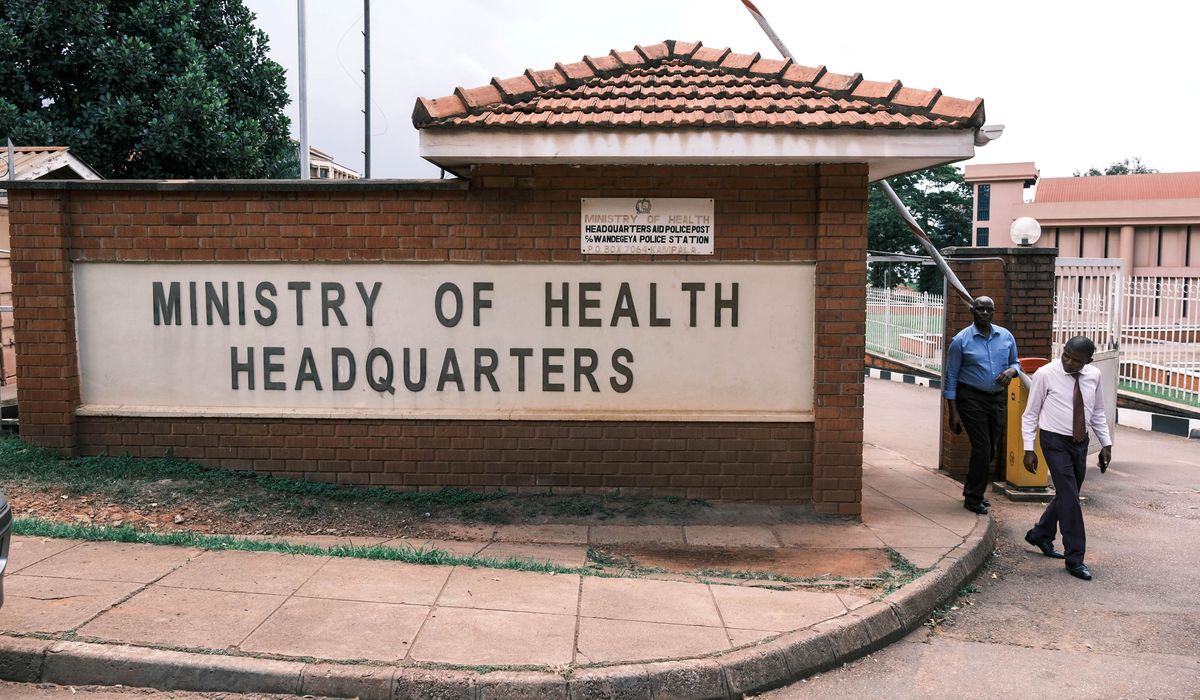
Ugandan health authorities on Monday reported two new Ebola cases, bringing the number of infections to seven, and the country is stepping up testing, isolation and monitoring as the situation develops.
Ugandan health authorities on Monday reported two new Ebola cases, bringing the number of infections to seven. Officials say they are intensifying efforts to identify contacts and isolate anyone showing symptoms to prevent further spread. The update comes amid ongoing concerns about outbreaks in the region and the need for quick public health action.
Ebola is a severe viral illness that spreads through direct contact with bodily fluids and infected surfaces, and symptoms typically include fever, weakness, vomiting and bleeding in advanced cases. Rapid identification and isolation of cases are critical to interrupt transmission chains, so health teams prioritize testing and tracing. Communities are being urged to report suspected cases and cooperate with response teams.
Frontline responders are deploying a mix of testing, contact tracing and infection prevention measures in affected areas to limit spread. Health facilities are being reminded to use personal protective equipment and to follow protocols for safe patient handling and burial practices. Those measures help reduce transmission risks in homes, clinics and community settings.
Vaccination plays an important role when available and appropriate, with ring vaccination strategies used in past outbreaks to protect contacts and health workers. Treatments and supportive care can improve outcomes when patients receive early medical attention, so timely access to care is a priority. Authorities are coordinating with partners to secure supplies and scale up clinical capacity where needed.
Surveillance teams are expanding testing around identified clusters and monitoring travelers and high-risk groups to catch any new cases early. Rapid diagnostic testing and laboratory confirmation are central to understanding how the outbreak is evolving day to day. Clear data on case counts and contact networks lets responders target interventions where they will do the most good.
The risk of spread across borders is a concern, particularly in regions with frequent movement of people for trade or family ties. Cross-border coordination with neighboring health ministries and transport hubs helps track potential cases and maintain surveillance continuity. Public awareness campaigns aim to reach mobile populations with guidance on symptoms and where to seek help.
Community engagement is a key part of the response, since social behaviors around illness and burials can affect transmission dynamics. Local leaders and health educators are being enlisted to share accurate information and dispel myths that can hinder control measures. Trust between communities and responders speeds cooperation and makes interventions more effective.
Health systems face pressure during outbreaks because quickly isolating patients and tracing contacts requires staff, supplies and logistics that may be stretched thin. Strengthening lab networks, expanding isolation capacity and training more responders are immediate priorities for a resilient response. Authorities are also working to ensure that routine health services continue so other illnesses do not go untreated.
As officials monitor the situation, travelers and health providers are watching for updates and guidance from public health authorities. Staying informed about symptoms, avoiding contact with suspected cases and seeking prompt medical care if illness develops remain practical safeguards. The response continues to evolve as teams work to limit transmission and protect vulnerable communities.

