

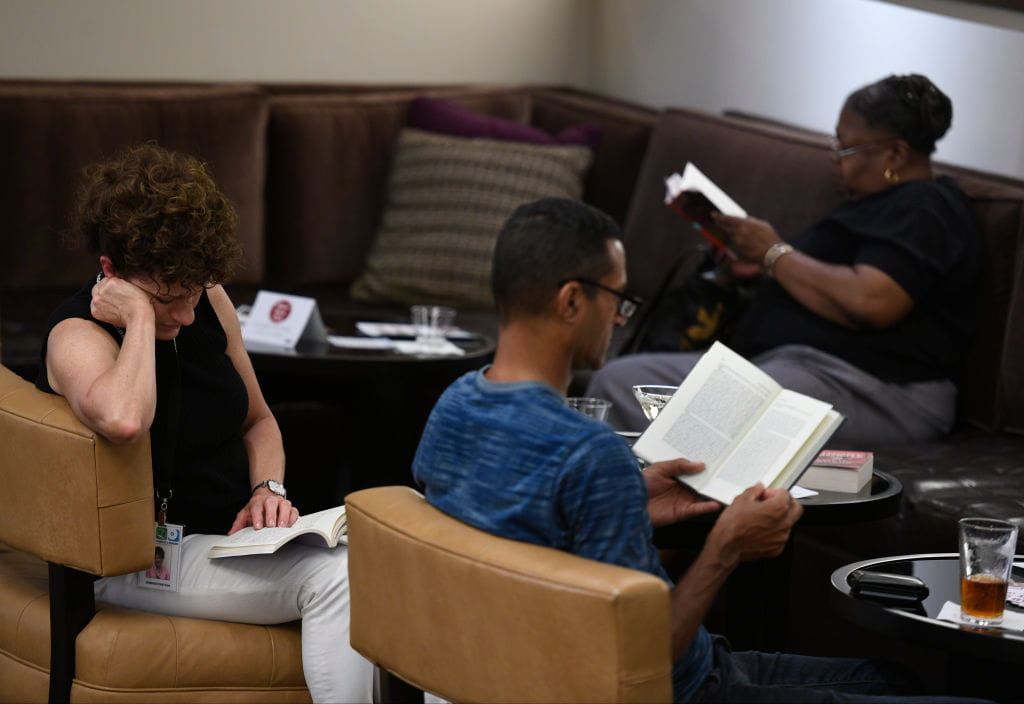
The reading habit that many declared dead is quietly reappearing, with people rediscovering books, bookstores, and long-form thinking. “The resurrection of consuming books.” captures a real cultural shift as audiences balance screens with pages and audio, and communities re-center shared stories.
For the past decade, attention metrics and short-form feeds dominated conversations about what people consume, but recent patterns show a renewed appetite for books of all kinds. Independent bookstores are reporting steadier foot traffic, public libraries are seeing increased circulation, and conversations about reading have moved back into everyday life. That change feels less like a fad and more like a durable adjustment to how people spend free time.
Several practical forces are nudging the trend. After extended periods of lockdown and digital saturation, many readers began to crave slower, more textured experiences that screens struggle to deliver. At the same time, growing awareness of the costs of constant scrolling has pushed people toward formats that promote focus and reflection. The result is a mix of renewed interest in print alongside a healthy embrace of audiobooks and curated reading lists.
Formats are shifting rather than collapsing. Hardcover and paperback sales coexist with a booming market for audio, which lets commuters and multitaskers convert otherwise idle time into listening sessions. E-books remain a convenient option for travel and discovery, while printed books keep their emotional and sensory appeal. This pluralism means the reading ecosystem is broader now: options suit different routines while reinforcing the core habit of sustained attention.
Community plays a surprisingly big role in the comeback. Local book clubs, library programs, and in-store events have turned bookshelves into social hubs once again. Online communities dedicated to reading have amplified discovery, with people swapping recommendations and creating reading challenges that turn solitary reading into collective activity. That social component makes books a shared cultural currency rather than just a private pastime.
Publishers and authors are adjusting to the new demand by offering more ways to meet readers. Small presses and indie authors are finding audiences through targeted marketing and lively in-person events, while larger houses experiment with backlists and special editions that reward lingering attention. The industry is mixing traditional release cycles with more agile strategies to keep titles visible across platforms and formats.
Libraries and schools are part of the infrastructure bringing reading back into daily life. Programs that pair readers with material they care about, pop-up library events, and school initiatives that prioritize choice and relevance help cultivate lifelong readers. When institutions treat reading as an accessible, communal activity rather than a chore, participation rises and habits stick.
Technology is not the enemy in this story, even if it shares space with distraction. Smart use of devices can support reading goals: curated newsletters, digital book clubs, and synchronized audio-visual programs can steer attention toward deeper engagement. The best uses of tech in this context are the ones that scaffold reading rather than substitute for it.
Culturally, the renewed focus on books nudges conversation back toward long-form ideas, context, and narrative depth. That shift encourages a patience for argument and a tolerance for complexity that bite-sized content often undermines. As more people choose to invest time in books, the payoff shows up in richer public discussions and a broader curiosity about unfamiliar subjects.
Economically, the comeback bolsters a diverse marketplace where small retailers, midlist authors, and niche imprints can thrive alongside bestseller-driven models. Events, limited editions, and experiential retail give physical bookstores an edge that purely digital competitors lack. That variety helps sustain a reading culture that is resilient and adaptable rather than monolithic.
The story unfolding now is less about a single moment and more about a steady realignment: attention is being redistributed, and books are earning a larger share. As reading becomes a deliberate choice for more people, it creates room for deeper learning, stronger local scenes, and a variety of formats that fit different lives. That ongoing shift keeps the conversation about books alive in homes, cafes, schools, and online spaces without turning it into a trend that has to peak fast and fade.

