

A strike on the Russian city of Nizhnekamsk left 13 dead, including a child, and wounded 75, according to Tatarstan regional authorities; the incident drew immediate attention and competing claims about responsibility.
The attack hit Nizhnekamsk on Monday and authorities in the Tatarstan region reported a heavy civilian toll. Local officials counted 13 people killed and 75 injured, and emergency services moved quickly to treat the wounded and secure the site. Details about the exact target and the type of drone used were still being collected as investigators worked at the scene. The shock of casualties, including a child, set a grim tone across regional briefings.
Witnesses described chaos and rushed evacuations near the impact site, with rescue teams pulling victims from damaged buildings. Hospitals reported a mix of shrapnel and blast injuries, straining local medical resources. Officials emphasized the need for calm while first responders prioritized triage and transport for the most seriously hurt. The human cost made what might have been a strategic strike into a story of civilian suffering.
The Russian regional government framed the event as an attack on a populated area, emphasizing civilian victims and calling for accountability. Tatarstan local authorities released casualty figures and urged residents to follow safety instructions amid continuing uncertainty. This kind of strike against a city inside the Russian Federation raises questions about escalation and the risk of broader conflict spillover. Political leaders in Moscow were expected to use the incident to justify stronger security measures.
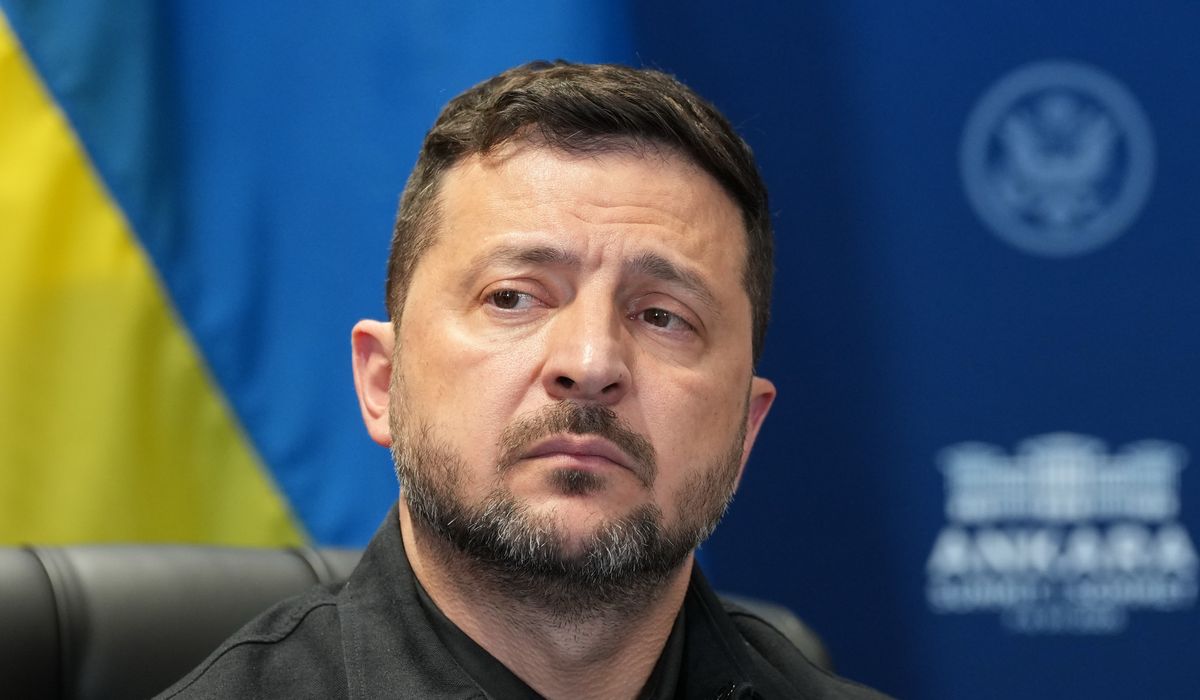
The Ukrainian military said it. That incomplete line from early reports left room for ambiguity while social media and official channels traded claims and denials. Competing narratives are common in wartime reporting, and both verification and motive often lag behind the immediate headlines. Observers noted the pattern: rapid claims, contested facts, and then gradual confirmation or correction as independent checks come in.
From a law-and-order perspective, the killing of civilians demands a straightforward response: protect noncombatants and hold attackers to account. Republicans typically stress clear consequences for acts that target civilians, and this event reinforces that stance. There is room for debate over proportional responses, but the baseline commitment to civilian protection should be nonnegotiable. Domestic audiences will expect firm measures to deter future strikes across borders.
Political fallout is inevitable. Moscow will likely cite this strike to bolster arguments for tighter security and expanded military action, while opponents may call for restraint to avoid escalation. International players watching this will weigh sanctions, diplomatic moves, and humanitarian steps, and the U.S. Congress could be drawn into renewed discussions about policy and aid. The optics of a child among the dead put pressure on policymakers to articulate a clear position.
Intelligence and verification will shape the next phase of response. Open-source investigators, satellite imagery analysts, and independent journalists often play a role in establishing a chain of evidence after incidents like this. Accurate attribution matters for legal, diplomatic, and operational reasons, and rushed claims can muddy that process. The public deserves confirmed facts before theaters of action expand further.
For local communities in Tatarstan, recovery means rebuilding lives and addressing trauma. Emergency teams must continue medical care, shelter displaced families, and offer psychological support for survivors. Long-term recovery will also involve infrastructure repairs and compensation where appropriate, and municipal leaders face a difficult road ahead. The civilian toll highlights the real-world consequences when conflict reaches urban neighborhoods.
Policy debates will continue as officials and analysts parse what happened and why. The immediate questions—who carried out the strike, how it happened, and what legal and military responses are warranted—will drive public discussion. For those inclined toward a tougher stance, the attack reinforces the need for deterrence and clear accountability. Expect a tense period of statements, investigations, and strategic positioning in the days that follow.

