

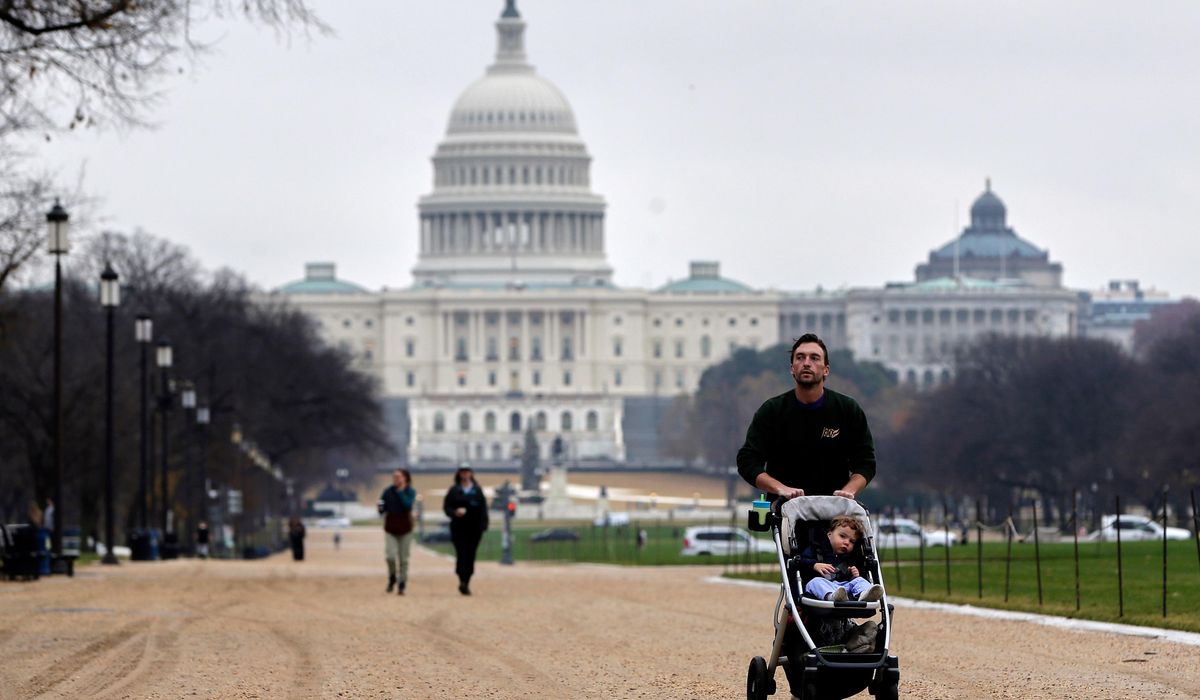
Washington is gearing up for a big-screen World Cup vibe even without hosting a match, turning bars, plazas, and cultural centers into gathering spots for fans and families.
The District isn’t hosting a World Cup game, but the nation’s capital will still celebrate the international tournament. Expect watch parties in neighborhood bars, large-screen public viewings in plazas, and special programming at cultural venues around the city. Organizers are pitching events to draw locals and visitors who want the tournament atmosphere without a stadium ticket.
Bars and restaurants will be central to the buzz, offering themed menus, extended hours, and communal viewing setups. Many proprietors plan to install extra screens and rearrange seating so groups can watch together without missing the action. Neighborhood favorites see this as a chance to serve regulars and welcome fans from across the region.
Cultural institutions are joining the mix by highlighting countries playing in the tournament through music, food, and art. Museums and community centers will pair free or low-cost activities with live feeds so families can have a day out and still catch the matches. These events aim to showcase the diversity that makes the tournament an international celebration.
Local promoters are mapping out public viewing zones where neighbors can gather for free or ticketed screenings. Those areas often include food trucks and pop-up vendors, creating a festival feel without a stadium’s footprint. Security and crowd-control plans usually accompany these setups to keep gatherings orderly and safe.
Transit authorities are preparing for spikes in travel during peak match times, with extra service on major routes and reminders about ride-sharing etiquette. Fans are encouraged to plan trips ahead and consider arriving early to avoid last-minute congestion. The city’s compact footprint makes walking between events a practical option for many attendees.
Community groups are using the World Cup window to host family-friendly activities like youth clinics, cultural showcases, and conversational meetups tied to the teams playing. Those grassroots events are often low-cost and geared toward introducing young fans to the sport. The result is a neighborhood-level camaraderie that lasts beyond a single game.
Small businesses see the tournament as a chance to reach new customers, offering limited-run products and themed services that tap into the excitement. Pop-ups and market stalls near watch sites typically sell art, jerseys, and snacks that reflect participating nations. For many vendors, a big viewing day can be as valuable as a weekend of regular business.
Media coverage and broadcast options are plentiful, with local outlets running guides to where people can watch each match and what to expect at major gatherings. Social channels and community boards fill up with last-minute tips about seating, noise, and family accommodations. Fans who prefer quieter settings can still find low-key spots that screen matches without the fanfare.
Even without a stadium event on local soil, the capital’s approach is to make the tournament accessible and lively across neighborhoods. The mix of public screens, local hospitality, and cultural programming creates a mosaic of ways to experience the World Cup. For those who love the sport, the city’s collective effort can feel like hosting in spirit.

