

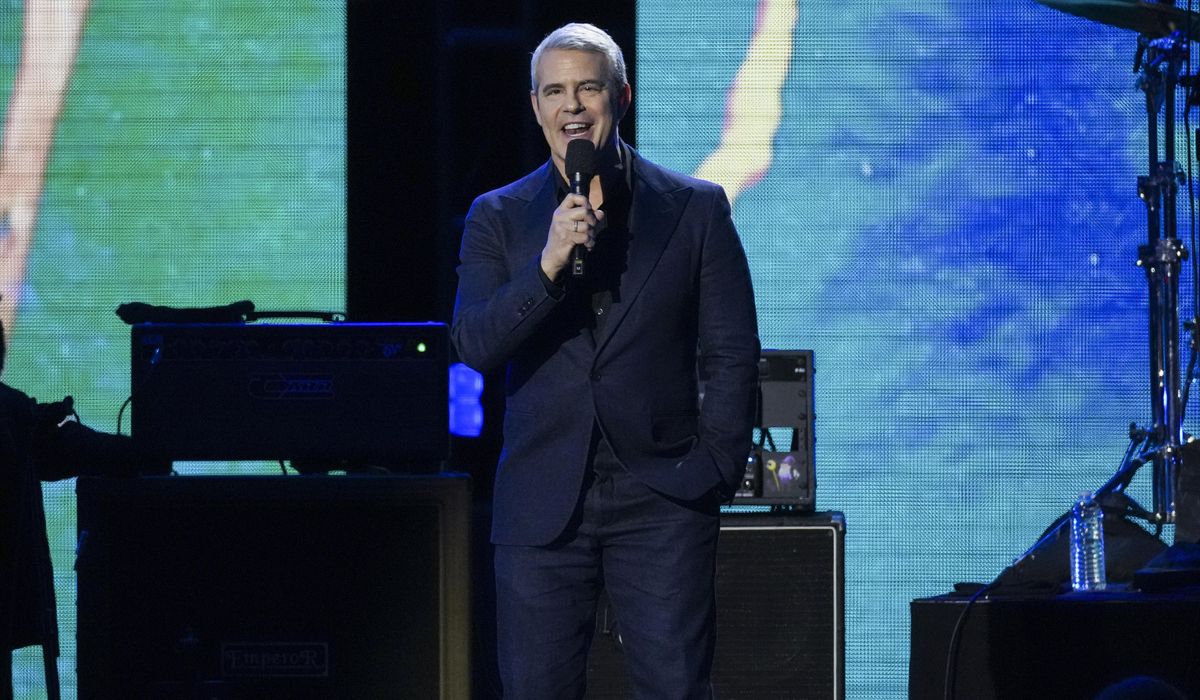
Andy Cohen says having MAGA women on Real Housewives reflects differing viewpoints and keeps the show honest, arguing that diverse opinions are part of its appeal.
Andy Cohen stepped into a heated cultural debate by defending conservative women who appear on the Real Housewives franchise. He pointed out that the show’s drama and ratings depend on mixing personalities and perspectives, not on enforcing ideological purity. That stance has landed him in the middle of a clash between viewers who want entertainment and activists who want culture cleaned up.
At the heart of the argument is a simple question about representation on a popular entertainment platform. Some critics say inviting people who openly support MAGA normalizes a political movement they oppose, while others see the appearances as ordinary freedom of expression. Republicans who watch the show tend to feel that their views are erased from mainstream pop culture, so Cohen’s remarks hit a nerve for many.
Cohen’s defense is straightforward and unapologetic: “If we didn’t showcase people with different POV’s there would be no show.” That exact line captures the producer’s view that conflict and contrast are the product, not the political endorsement. For conservatives, it’s a relief to hear someone in Hollywood acknowledge that not every public moment must be a political execution.
This is also about fairness in the media marketplace. When conservative voices are excluded, the narrative becomes one-sided and predictable, which is bad for both viewers and the creative process. Republican readers will recognize this as another instance where mainstream culture assumes its own ideology is default and anything else must be silenced.
Real Housewives is reality television, not a political caucus, and mixing outspoken personalities is part of the brand formula. Producers chase candid moments, unfiltered reactions, and real conflict because that’s what drives conversation and ratings. Allowing conservative women to appear doesn’t magically convert other cast members into activists, but it does complicate the supposed monoculture.
There’s also a practical, market-based angle here. Shows that reflect a broader range of viewpoints attract a wider audience and create more unpredictable moments, which boosts viewership. Republicans who care about access to cultural influence see this as an important line in the sand: if conservative perspectives vanish from entertainment, the only remaining stories will favor one political worldview.
Some opponents argue that platforming controversial political figures gives them legitimacy, and that concern is not unreasonable in certain contexts. But reality TV’s purpose is not endorsement; it is to present human behavior in dramatic form and let viewers judge. From a Republican standpoint, insisting on equal representation is not about celebrating every opinion but about preserving a pluralistic media landscape.
The backlash against Cohen from parts of the left shows how fraught cultural gatekeeping has become. When producers bow to pressure and remove voices that make people uncomfortable, entertainment shrinks and becomes a tool for social enforcement rather than a mirror for society. Conservatives worry this trend corrodes the ability of everyday Americans to participate in cultural conversation.
Ultimately, the debate around MAGA women on Real Housewives is part of a larger fight over who gets to be visible in America’s public spaces. Republicans will argue that visibility matters and that silencing dissent or difference rewards intolerance in the name of tolerance. Cohen’s comment underscores a basic point: entertainment that reflects only one side of life is not entertainment at all.
Whether viewers agree with the politics of any cast member, the principle at stake invites a clear choice about the nature of popular culture. Will television continue to be a market for diverse expression, or will it tilt into an instrument for a narrow ideological agenda? For many conservatives, Andy Cohen’s defense is a welcome pushback against cultural exclusion and a reminder that variety is what keeps audiences engaged.

