

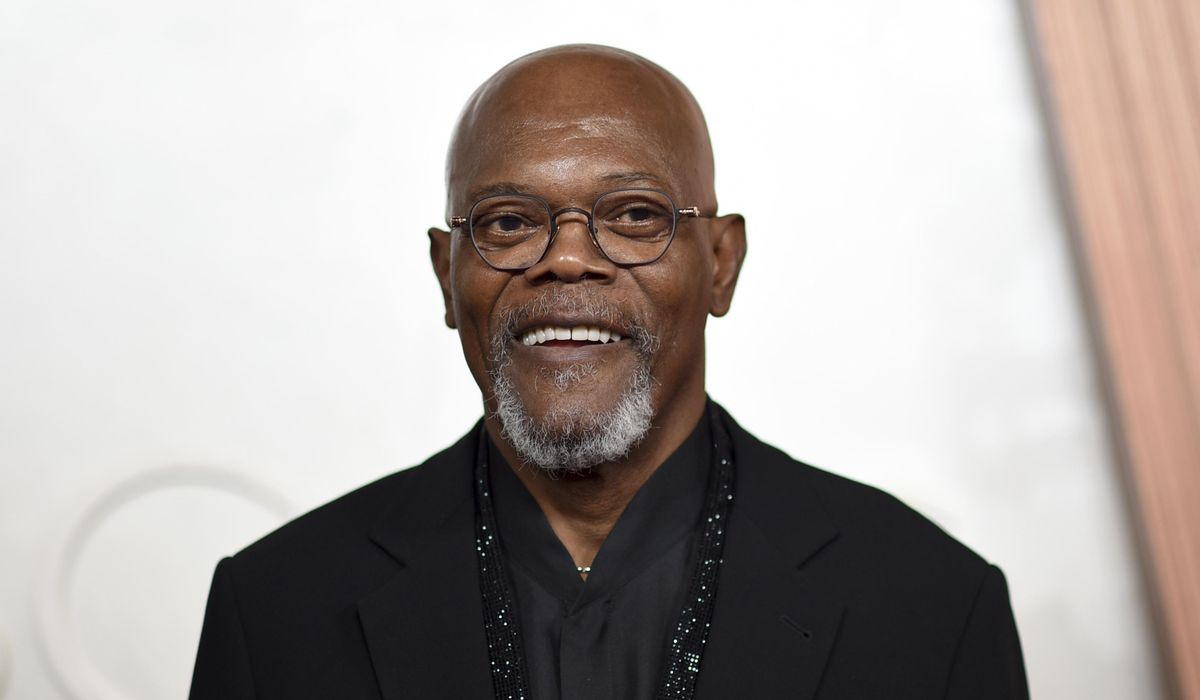
Samuel L. Jackson has publicly endorsed Karen Bass for Los Angeles mayor, offering a celebrity-backed appeal that emphasizes experience and empathy while igniting debate about the role of famous voices in politics.
SAMUEL L. JACKSON endorses Karen Bass for L.A. mayor and delivered a public statement that grabbed attention: “These are the times we need someone who understands government, who also understands the needs of the people. Someone who will go on the str” The endorsement landed in a city where name recognition matters, but where outcomes matter more to everyday Angelenos. The reaction has been swift and split across the political landscape.
From a Republican perspective, celebrity endorsements are often shiny distractions that do not address the hard work of governing. Voters should ask whether the person being backed has a plan to restore public safety, balance budgets, and get emergency services working again. Jackson’s support highlights Bass’s profile, but it does not answer those policy questions.
Karen Bass brings a long resume in California politics, and her track record as a state lawmaker and former congresswoman is well known to insiders. Supporters point to her legislative experience and community ties as reasons she can navigate City Hall. Critics, however, want concrete benchmarks tied to crime reduction, homelessness limits, and fiscal discipline before they vote based on endorsements.
Los Angeles faces serious, measurable problems that voters care about every day, including visible homelessness, a perceived rise in property and violent crime, strained budgets, and underperforming city services. Republicans argue that solutions should be evaluated on results and incentives rather than on who says they like a candidate. That practical focus is what many residents want from their next mayor, not another splashy endorsement.
>The influence of celebrities like Samuel L. Jackson is real; their megaphones can amplify a candidate’s message and bring attention to specific issues the candidate highlights. But the celebrity voice can also drown out local debates about policy mechanics, funding priorities, and accountability timelines. Conservatives warn against letting star power substitute for a clear roadmap to measurable improvement in city life.
A serious look at any mayoral candidate has to include plans for fiscal sanity and public safety along with specifics for homelessness response, mental health services, and neighborhood revitalization. Republican voters want to see where money comes from, how it will be spent, and how performance will be measured. Endorsements do not reveal those numbers or the operational plans that will turn promises into results.
Election choices in big cities tend to hinge on which candidate convinces voters they will deliver day-to-day improvements, not which candidate has the glossiest endorsements. That means assessing staffing, oversight, contracting reforms, and cross-jurisdiction cooperation that can lead to faster results. The contrast between celebrity support and on-the-ground policy competence is a live issue in this race.
For voters who lean conservative, the key question remains whether any candidate can reduce crime, restore business confidence, and manage taxpayer dollars responsibly while helping the most vulnerable get stable outcomes. Celebrity praise can be part of a campaign narrative, but it cannot replace the technical work of governance that determines whether neighborhoods get safer and services actually improve. The debate sparked by this endorsement will continue as the campaign shifts toward specifics and voters demand measurable progress.

