

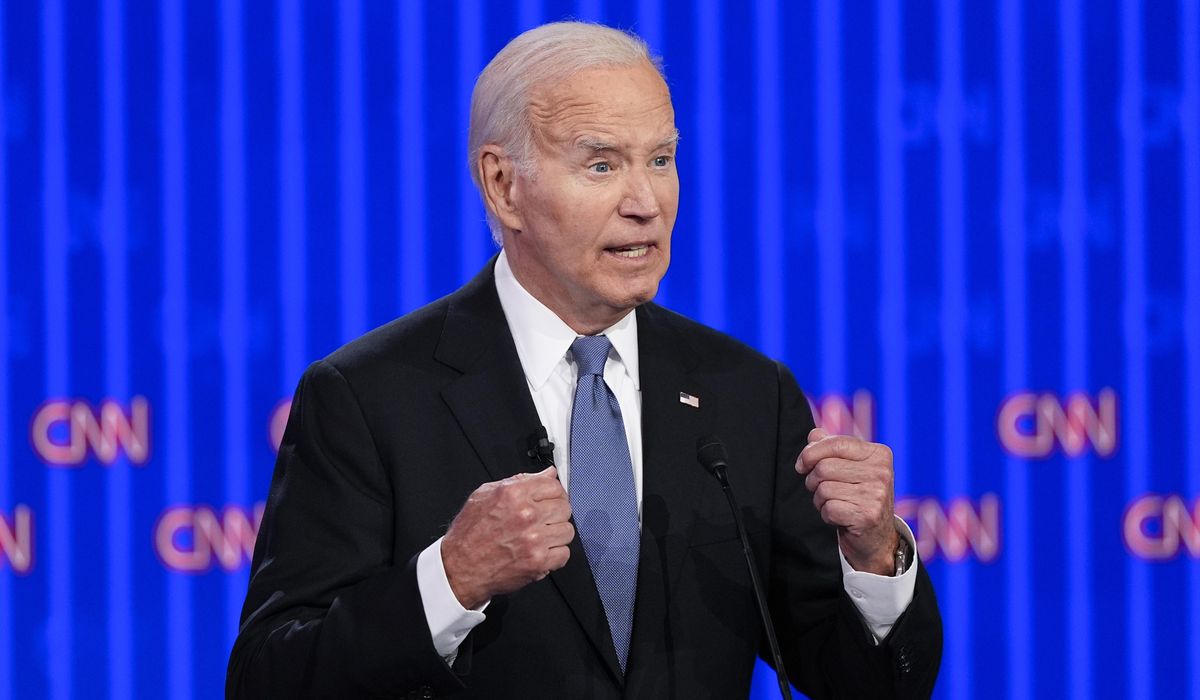
Former first lady Jill Biden said she was so “frightened” by the 2024 debate performance by her husband, President Joseph R. Biden, that she thought he was having a stroke, and her reaction has become a focal point in the political fallout surrounding that night.
The moment has been replayed and debated across the political universe because it crystallizes broader concerns about leadership and fitness that many voters are talking about. For Republicans, Jill Biden’s reaction is more than a private worry; it is fresh ammunition in a campaign centered on competence and clarity. The image of a first lady alarmed enough to consider a medical emergency has a simple, visceral impact on public confidence.
People who watched the debate described disjointed answers and pauses that fed the narrative Republicans have been building about the president’s capacity to lead under pressure. Jill Biden’s exact word, “frightened”, landed in those conversations as both an emotional moment and a political statement by association. Critics argue that whether or not a stroke was occurring, the perception of frailty can be as damaging as the reality.
Medical professionals say public behavior at a debate is not a diagnosis, but the optics are what sway voters. Family remarks matter because citizens often take cues from those closest to a leader when judging his condition. That’s why Democrats scrambled to reframe the scene and reassure the public, while Republicans pressed for more transparency on health and fitness.
From a Republican viewpoint, this isn’t simply about one night; it’s about the standard we expect for the person entrusted with the presidency. Conservatives have long argued that age and stamina are legitimate factors in evaluating a candidate’s readiness for the job, and moments like this make those concerns feel validated. The demand is for clear, verifiable information on cognitive and physical fitness so voters can make informed choices rather than speculate from snippets.
The campaign consequences are immediate and practical. Opponents will use this episode to question debate scheduling, preparatory process, and whether the ticket has a plan for backup or contingency in a crisis. Fundraising pitches, targeted ads, and debate prep sessions will pivot around preventing any repeat of that chaotic appearance. Meanwhile, Democrats will try to control the narrative by emphasizing resilience, recovery, and a focused agenda.
How the media handled the incident also matters. Many outlets oscillated between sympathetic coverage and sharp critique, sometimes allowing partisan filters to shape the moral of the story. Republicans argue this uneven treatment shows how narratives are manufactured to protect allies and punish adversaries, while Democrats point to a rush to judgment. The resulting cacophony leaves typical voters trying to parse signal from noise.
Beyond optics and headlines, there are practical governance questions. The president’s ability to respond quickly to foreign crises, manage classified briefings, and represent the nation on the world stage depends on steady cognitive performance. If doubts persist, allies and adversaries alike will adjust their behavior, and that strategic shift has real implications for national security and diplomatic credibility. Republicans say caution now prevents bigger problems later.
Independent and swing voters could be the deciding factor in how this plays out, and they tend to react to moments that feel authentic rather than scripted. A spontaneous display of concern by a spouse is often read as more credible than carefully staged reassurances, and that makes Jill Biden’s reaction particularly potent. Republicans see an opening to offer an alternative image of vigor and clarity for the country’s future.
The clip of that night will live on in campaign reels and town hall Q&A sessions, shaping impressions well beyond the next press cycle. For conservatives, it underscores the urgency of setting clear standards for transparency about a leader’s health and cognitive fitness. Whatever the GOP’s next move, the memory of that frightened look will be part of the conversation voters carry into polling booths this year.

