

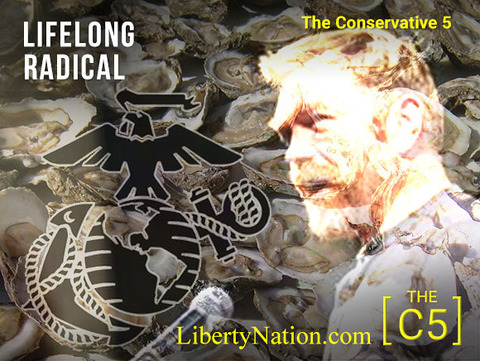
A Maine oyster farmer and former combat veteran is running for the US Senate, and the story has been packaged as a fresh, inspirational insurgency by outlets eager for a new progressive success story. This piece looks at the person behind the profile, the narrative being sold, and what voters should watch for as national interest meets a local race.
A Maine oyster farmer and former combat veteran is running for the US Senate. He has the kind of biography that fits neatly into modern political storytelling: service, small-business roots, and a return to civilian life that led to community leadership. Those elements make for great headlines and easy hero frames, which is why his rise drew attention fast.
The media cut and paste a tidy arc: battlefield to bay, fighting for oysters and Mainers alike. On the ground, campaigns are messier than profiles suggest, with policy details, votes, and alliances shaping outcomes more than personality pieces. Republican observers see the pattern: charisma and narrative often mask unclear policy positions and big promises with little detail.
Progressives are quick to crown new faces as proof their approach works, and national donors follow. That wave of attention can lift a candidate, but it can also expose weaknesses when opponents press on records and specifics. In a statewide Senate fight, attention brings scrutiny, and scrutiny finds gaps.
A troubling past seems to have blossomed into a political warrior. That line captures how the candidate’s story has been recast from private struggle into public purpose, making for dramatic TV and soundbite-ready interviews. But memorable lines do not replace policy clarity, and voters deserve to know what the “warrior” actually fights for in practice.
His military service and small-business experience are real assets and genuine points of connection with many voters. Still, Republican-leaning critics note that military service does not automatically translate into conservative governing instincts on issues like spending, regulation, or energy independence. The test comes when a candidate must choose among competing policy priorities and explain trade-offs.
Maine’s electorate is independent-minded, and national narratives can backfire if they feel imposed from outside. Local concerns — high energy costs, coastal livelihoods, federal fisheries rules, and border and public safety matters — will drive many ballots. A candidate boosted by progressive outlets needs to show he understands those local pressures in plain terms, not just in inspirational rhetoric.
Campaigns run on discipline and detail. Voters often reward clear plans and consistent positions over feel-good storytelling. That is where Republican analysis focuses: pressing on budgets, federal overreach, and how a new senator would restrict growth of the administrative state. When a candidate avoids specifics, critics on the right call it out as opportunism, not leadership.
Expect the national left to amplify every favorable moment and the national right to test every inconsistency. The result is a magnified contest, with outside money, media narratives, and targeted messaging shaping perceptions. For Mainers, the task will be to separate performance from platform and decide which matters more at the ballot box.
The question voters face is straightforward: does the profile match the policy? Biography opens doors and gets attention, but governing requires hard choices that reveal priorities. As this race unfolds, the contrast between image and record will be the lens through which many voters make up their minds.
Published Jun 1, 2026

