

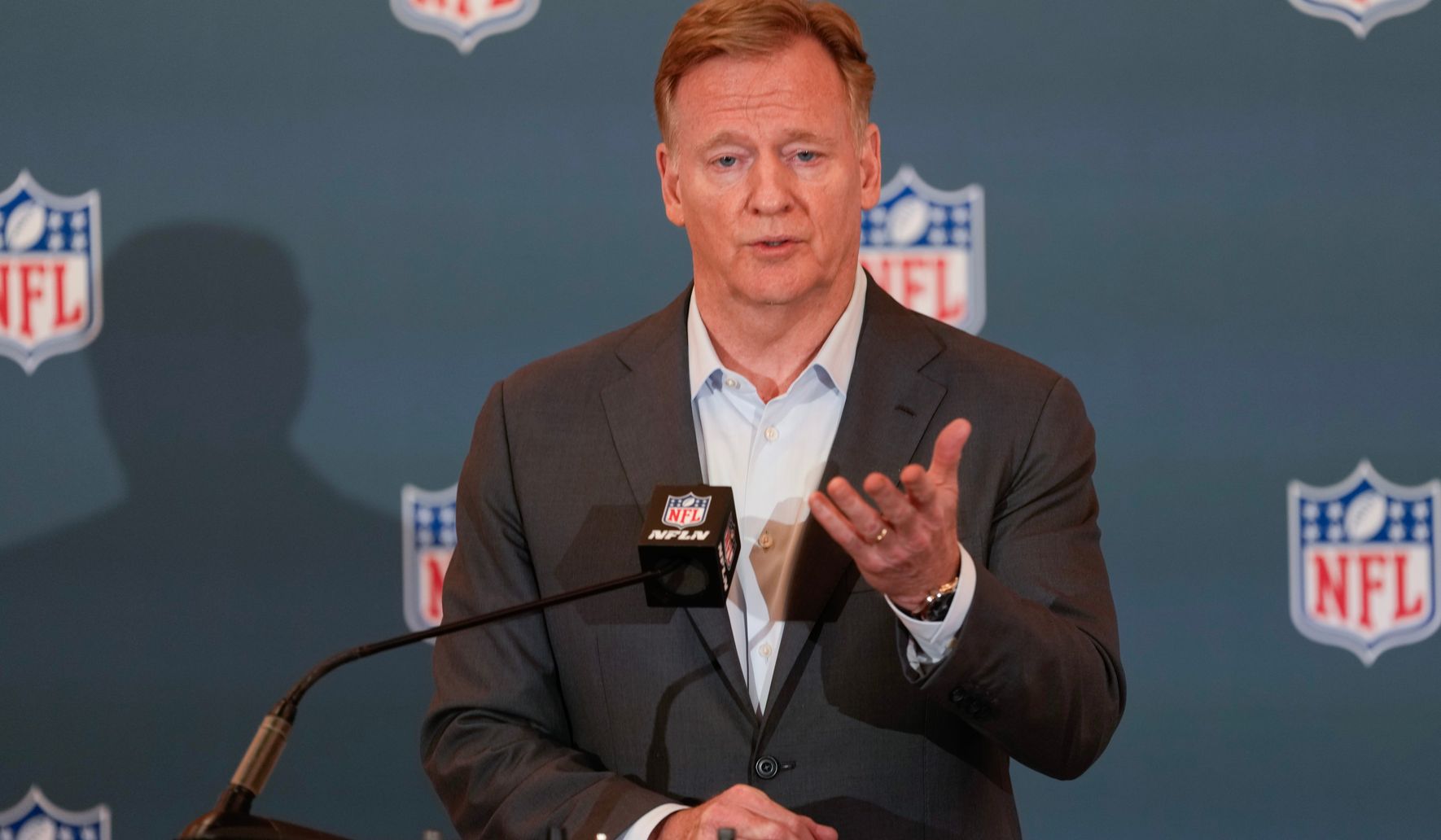
The NFL is headed back to Capitol Hill as lawmakers press the league on recent streaming deals and paywalled broadcasts, and the appearance of Commissioner Roger Goodell is meant to address growing federal questions about how games are being sold and who gets access.
NFL Commissioner Roger Goodell has been invited to testify before Congress as the league faces increasing federal scrutiny about its broadcast deals and its recent practice of airing games on paywalled streaming services. That invitation comes as members from both parties probe whether traditional broadcast models and newer streaming agreements are serving fans, broadcasters, and advertisers fairly. Lawmakers want clarity on contracting practices, transparency around rights fees, and the practical impact on households that once relied on over-the-air television for games.
Republican lawmakers will likely press the league on consumer access and market competition rather than push for heavier regulation just for its own sake. The GOP approach tends to favor protecting consumers from anti-competitive behavior while resisting unnecessary federal intrusion that could stifle innovation or harm private contracts. Expect questions on whether teams or broadcasters negotiated deals that lock fans behind expensive bundles and whether those arrangements distort the natural market for live sports.
At the heart of the hearings are two linked issues: how broadcast rights are sold and how streaming paywalls affect viewership and ad revenue. Members of Congress are asking whether the NFL and its broadcast partners are transparent about where fans can watch games and what those rights cost advertisers and local stations. There is also interest in whether exclusive streaming windows weaken local TV affiliates that still carry games and whether the broader media marketplace is adapting fairly to new technologies.
Commissioner Goodell will need to explain the league’s decision-making process and the metrics used to judge success when games move to streaming platforms. That includes viewing figures, subscriber churn, revenue splits, and how the league balances national deals with local broadcast obligations. Republicans will likely ask for plain answers on whether streaming experiments were driven purely by revenue or if they were meant to expand access to younger audiences and cord-cutters in a changing media environment.
On Capitol Hill, concerns about paywalls mix with long-standing debates about antitrust and competition, but Republicans will emphasize market-based fixes that protect fans. They will press for transparency so consumers can see pricing and availability up front and for safeguards that prevent dominant platforms from squeezing out competitors. There will be a push to ensure any reforms favor consumer choice rather than creating a new federal regulatory regime that complicates private contracts and business investment.
Broadcast partners and tech platforms that stream games will also be in the crosshairs during testimony and follow-up hearings, since the deals are often complex and multilayered. Committee members are likely to request detailed contracts, revenue-sharing agreements, and audience data to trace how money and viewership flow through the ecosystem. Republicans will frame those requests as necessary to protect competition and consumer welfare, not to micromanage the league’s commercial strategy.
The optics matter: fans who once relied on local stations now face subscription paywalls or fragmented platforms, and that frustration fuels political pressure. Republican lawmakers will highlight stories of households priced out of following local teams as evidence that transparency and competition need bolstering. Yet the party will also resist quick regulatory fixes that could chill innovation or force one-size-fits-all solutions on a rapidly evolving media landscape.
For the NFL, the hearing is a chance to make its case to a skeptical audience and to offer concrete steps that might ease congressional concerns without surrendering control of its broadcast strategy. Goodell can show how the league is measuring engagement, protecting long-term partner relationships, and experimenting responsibly with new distribution models. Republicans will be watching for answers that demonstrate accountability to fans and respect for competitive market principles.
The coming testimony will shape how Congress views future sports media deals and whether lawmakers will push for legislation or rely on oversight to influence behavior. Republicans are likely to favor transparency measures and consumer protections that encourage fair competition, while avoiding heavy-handed mandates that could hamper private contracting and investment. The hearing will be a test of whether the league can reassure lawmakers that its broadcast choices serve fans, advertisers, and the broader marketplace without requiring intrusive federal intervention.

