

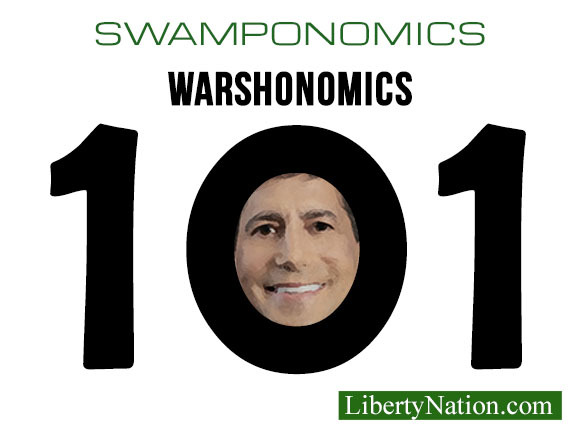
Kevin Warsh’s first semi-annual monetary policy report in Washington set the stage for a fresh debate over the Fed’s direction, accountability, and how monetary choices touch everyday Americans; the hearings drew attention to the balance between independence and oversight, market reactions, and the political pressure surrounding inflation and interest-rate strategy.
“Did Fed Chairman Kevin Warsh change hearts and minds?” That question hung over his Capitol Hill appearances and framed the conversation on Aug 9, 2026. Lawmakers and market watchers tuned in to gauge whether a new tone from the Fed chair would translate into different policy moves or simply more of the same. The stakes were clear: inflation, growth, and the price of credit for families and businesses.
Warsh arrived in Washington facing scrutiny from both parties, but especially from Republicans who worry about loose money and long-term price stability. He presented his inaugural semi-annual monetary policy report and answered tough questions about where the Fed intends to steer short-term rates and the size of its balance sheet. Observers looked for signs that the Fed would prioritize fighting inflation over supporting asset prices.
The hearings highlighted a split in priorities: some lawmakers pressed for clearer timelines and firmer commitments to reduce inflation, while others emphasized employment and financial stability. Warsh took pains to defend the Fed’s toolkit and its data-driven approach, but his reassurances did little to ease all concerns. For Republicans, the key issue remains whether the Fed will act decisively to restore predictable price levels without overburdening the economy.
Markets reacted in real time, parsing subtle shifts in language for clues about future rate moves. Traders and borrowers watched statements about forward guidance, the pace of rate hikes, and plans for shrinking the Fed’s holdings. Even small changes in phrasing can move yields, mortgage rates, and investment bets, which is why this testimony mattered beyond the halls of Congress.
Fiscal responsibility came up repeatedly, in part because monetary policy cannot substitute for sound budgeting forever. Critics pointed out that prolonged accommodative policy can mask underlying fiscal imbalances, encouraging more government spending under the illusion of cheap credit. Warsh acknowledged the interdependence of fiscal and monetary policy but stuck to the Fed’s mandate language when pressed.
Accountability was another major theme. Many Republicans argued that the Fed must be transparent and answerable to elected officials when policy decisions have wide-ranging economic and political effects. Warsh emphasized institutional independence while promising clearer communication, yet skepticism persisted about whether words alone would restore confidence. The hearing underscored a broader demand for monetary institutions to be both competent and comprehensible to the public.
Banking and market stability questions surfaced as well, as lawmakers asked about stress testing, liquidity measures, and the Fed’s emergency authorities. Warsh described steps to shore up the system and reduce systemic risk, but critics warned that moral hazard can grow when policymakers appear ready to rescue markets. That tension between preventing collapse and imposing discipline was evident throughout the hearings.
On the political front, the exchange showed how monetary policy debates are increasingly partisan, with each side framing the Fed’s role through competing lenses. Republicans framed the issue around price stability, individual savings, and the burden of high interest payments on households. Warsh tried to navigate those pressures, but the hearing made plain that monetary decisions are now a central axis of political contention.
Looking ahead, the big questions remain: Will the Fed deliver credible anti-inflation measures without stifling growth, and can it rebuild trust with skeptical lawmakers and voters? Warsh’s testimony began that conversation, but the work of translating testimony into measurable policy will be the real test. For now, Washington left the hearings with more questions than definitive answers, and markets will keep watching every word from the Fed.

