

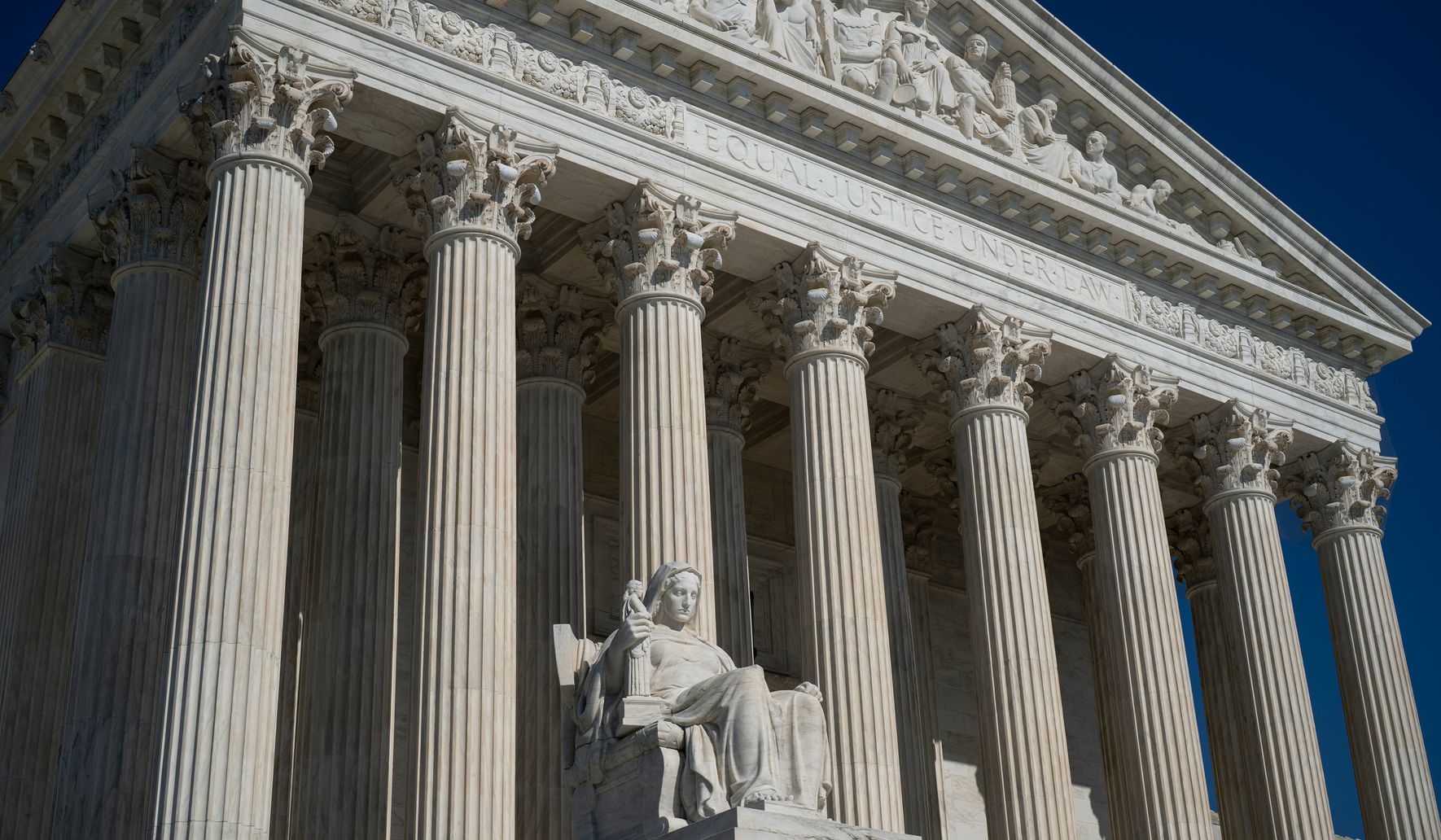
The high court on Tuesday cleared Alabama to use a congressional map that favors Republicans in this year’s elections, putting on hold a lower court’s ruling that found the redistricting plan intentionally discriminatory.
The Supreme Court’s move halted a lower court decision and allowed the contested districts to stand for the upcoming contests. That action keeps the map in place for now, avoiding last-minute chaos in ballot preparation and election logistics. Republicans see the stay as a correction against judicial overreach and a win for predictable election administration.
From a Republican perspective this decision underscores the need for judicial restraint when states redraw political boundaries. Courts stepping in to rewrite maps can erase voters’ choices and substitute judges’ policy preferences for decisions that should belong to legislatures. The stay reinforces the principle that relief should not be rushed at the eleventh hour without clear and final findings.
State officials argued the map reflected lawful political decisions and population shifts rather than an intent to discriminate. Legislatures are accountable to voters and should have the primary role in drawing congressional boundaries unless there is unambiguous legal error. The Supreme Court’s pause gives higher courts time to review without disrupting election mechanics and voter confidence.
Practical concerns matter here as well. Election boards need stable maps to print ballots, allocate resources, and certify races on time. A sudden judicial rewrite weeks before an election would force reprints, change polling plans, and risk disenfranchising voters. The stay prevents that logistical nightmare while the legal process continues.
Critics will say this protects partisan advantage, and they may be right about political consequences. But the central issue for Republicans is whether courts should impose remedies that remake districts based on contested intent findings. When lower courts declare a legislature acted with discriminatory intent, that finding must be robust and legally sound before it triggers wholesale map changes.
The case also highlights broader tensions over federalism and the proper balance between state power and judicial oversight. Redistricting is an inherently political process tied to local judgment about communities and representation. Federal courts have a role to stop clear violations of law, but they should be cautious about substituting their own redistricting plans for those of elected bodies.
For voters and campaigns, clarity now matters more than immediate vindication. Candidates need to know which districts they are running in and which voters they must reach. The stay gives campaigns and election officials a period of certainty even as litigants pursue appeals and further review. Stability in the short term can coexist with rigorous legal review over the longer term.
The ruling will almost certainly prompt more debate over how intent is proven and what standards courts should apply when assessing discriminatory motives in redistricting. Republicans argue for high evidentiary bars so that ordinary partisan advantage does not become labeled unlawful intent. Opponents press for stronger protections where maps dilute minority voting strength, but those claims must meet clear legal thresholds.
This dispute is part of a larger national fight over how representation is structured and who decides contested maps. The Supreme Court’s decision to stay the lower court order does not decide the ultimate merits, but it does prevent immediate upheaval. For Republicans, the outcome vindicates calls for careful judicial review that respects legislative authority and maintains orderly elections.
Legal battles over maps will go on, and practical politics will continue to shape how districts are drawn in future cycles. While the stay preserves the current plan for now, it leaves unresolved the deeper questions about intent, proof, and the proper scope of judicial remedies. The debate over those questions is likely to play out in courtrooms and legislatures across the country for years to come.

