

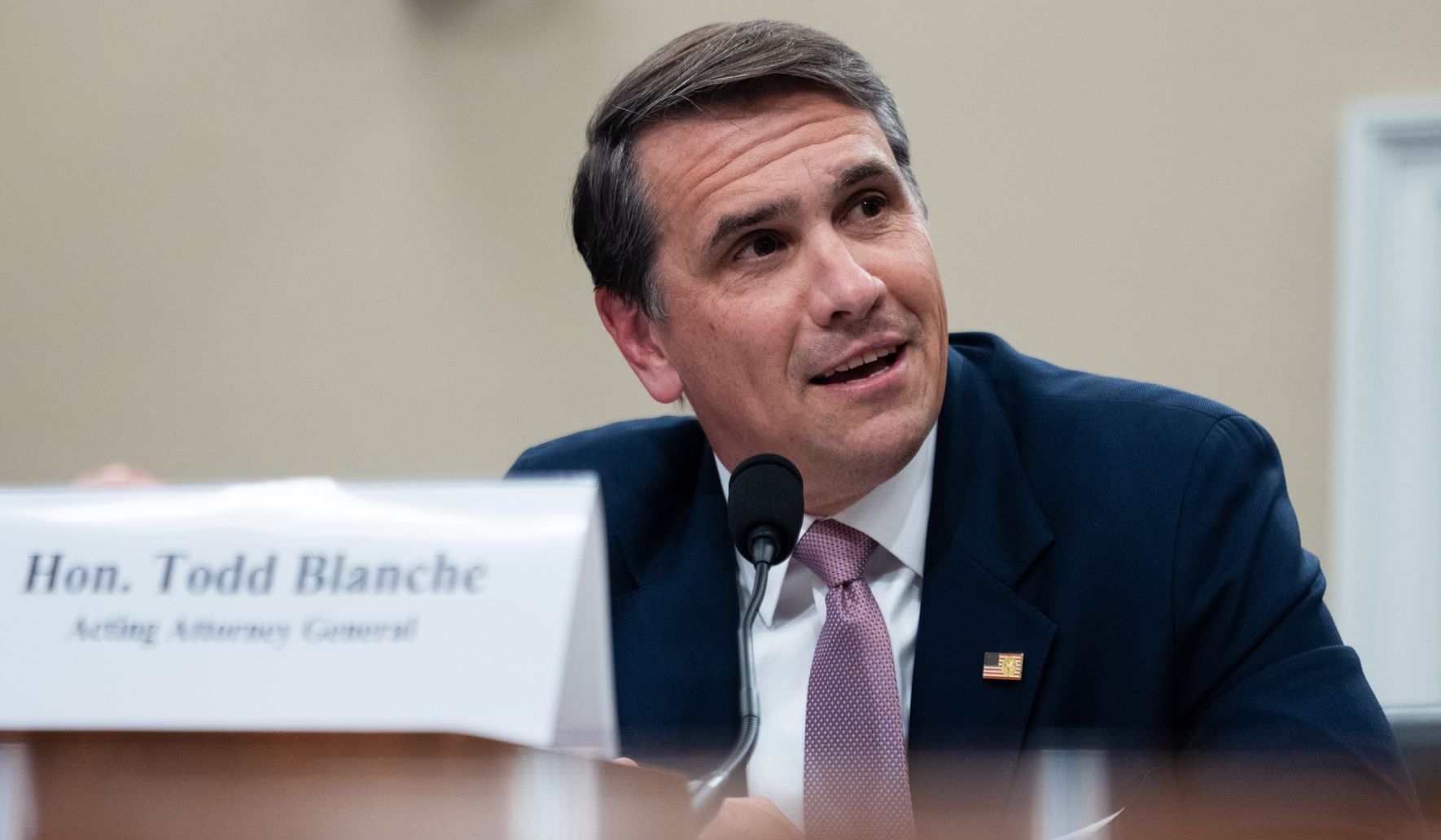
President Trump announced a nomination for attorney general: his former personal lawyer, Todd Blanche, a figure known for aggressively pushing the president’s legal positions. The choice signals a clear shift toward an attorney general who will defend the administration vigorously and prioritize conservative legal goals. This article outlines what Blanche’s nomination implies for the Justice Department, confirmation politics, and the legal battles ahead. It presents a Republican perspective on why this pick matters and what to expect next.
Todd Blanche is being tapped for attorney general after a career that included representing President Trump directly and taking on high profile, politically charged fights on his behalf. Supporters say Blanche has shown a readiness to challenge what they call weaponized investigations and to stand up for executive authority. That background makes him a natural fit for a Justice Department led by someone who wants a lawyer willing to go on offense for the administration.
From a Republican point of view, this nomination is about restoring balance at Justice by pushing back against activist prosecutors and biased investigations. The priority will be enforcing the law equally while defending the presidency from what conservatives see as selective targeting. Blanche is expected to use the office to rein in politicized prosecutions and to clarify limits on special counsels and independent probes that have stretched norms.
Expect a focus on core conservative priorities: border security, violent crime, defending religious liberty, and protecting free speech. Those objectives will shape prosecutorial guidance, resource allocation, and the kinds of cases the department elevates. In practice that will mean shifting attention away from enforcement trends driven by ideological litigation strategies and toward straightforward criminal law, immigration enforcement consistent with federal statutes, and vigorous defense of First and Second Amendment interests.
The confirmation battle in the Senate will be partisan and intense, but Republicans see a pathway to approval by framing Blanche as a competent, tough-minded litigator rather than a political firebrand. Democrats will likely paint him as a partisan pick who will weaponize the Justice Department, while Republicans will argue the opposite: that he will restore impartiality by ending selective prosecution. The hearings should expose those differences and give Blanche a stage to outline his legal philosophy and commitment to the rule of law as conservatives define it.
On structural changes, Blanche could pursue clearer internal rules to limit improper coordination between prosecutors and political actors and tighten guidelines around special counsels. That would be coupled with administrative moves to prioritize prosecutions that protect communities and respect victims rather than chasing politically motivated cases. Republicans will push for policy changes that ensure prosecutors are accountable and that prosecutorial discretion is exercised in ways that respect both public safety and constitutional protections.
Legal observers will watch how Blanche balances defending the president with the broader responsibilities of the Justice Department, because a solicitor general approach focused only on one client risks undermining institutional credibility. The Republican argument is that a strong attorney general who defends the president vigorously can also uphold laws and norms by making enforcement predictable and consistent. If Blanche delivers on a platform of even handed law enforcement that nevertheless rejects the politicization of justice, conservatives believe the department will regain legitimacy and purpose.
Practical effects will show up quickly in staffing choices, case priorities, and the tone of federal enforcement actions across the country. Republican lawmakers will press for a DOJ that supports state efforts to enforce immigration and crime laws, defends faith based institutions, and challenges regulatory overreach. The nomination sets a clear test for whether an attorney general can both protect an administration and reinforce the principles of limited government and accountability that many conservatives prioritize.

