

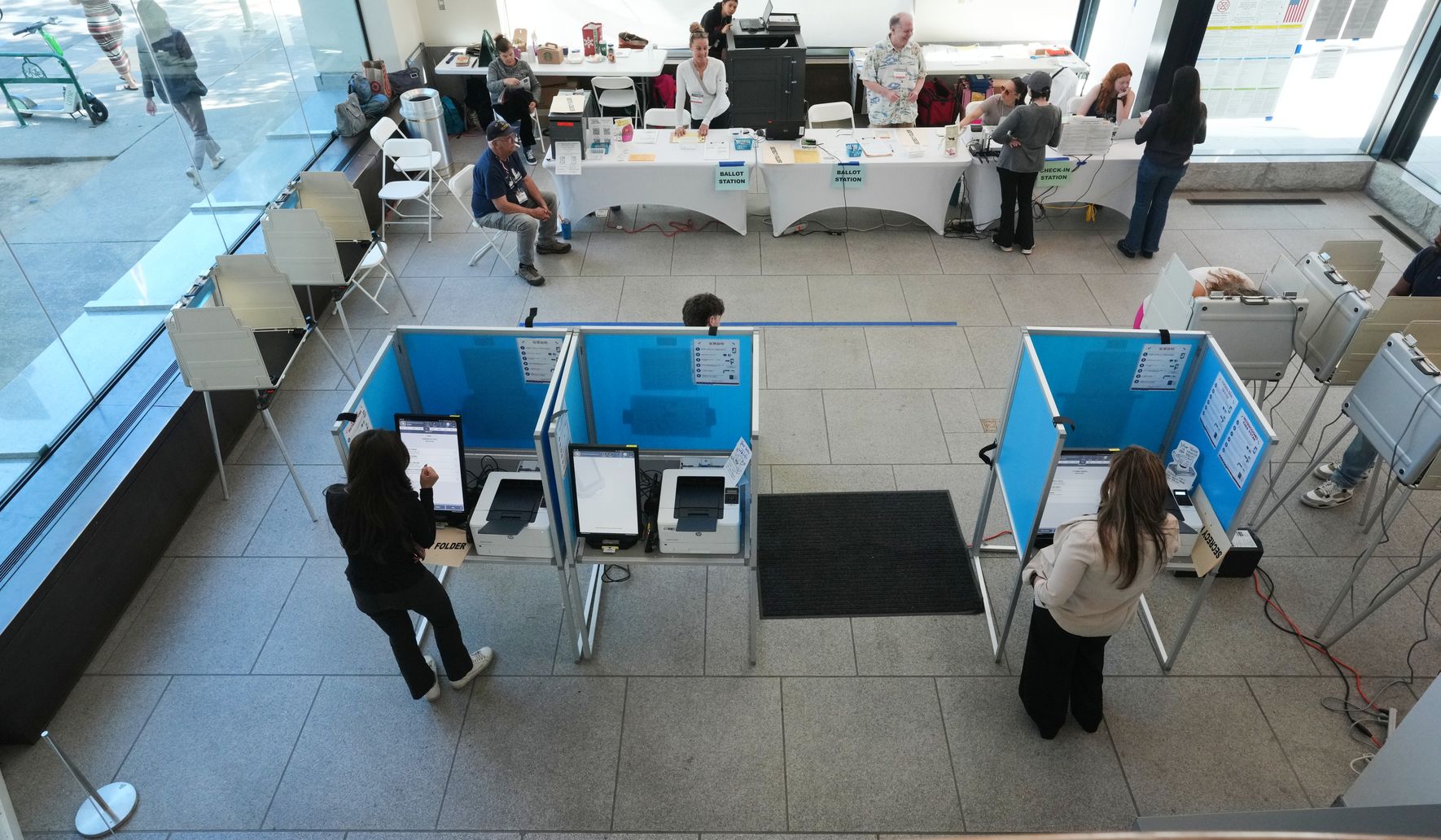
President Trump’s claim that Democrats tried to rig the California primary and the federal response has stirred fresh debate about election integrity and the role of law enforcement.
Voters and political watchers are still sorting through the fallout after a high-profile accusation that Democrats sought to steal California’s primary. The controversy centers on both the allegation itself and how federal and local authorities respond. For Republicans, the issue is simple: any hint of irregularity demands scrutiny without fear or favor.
The allegation landed amid reports of a late surge in ballots and voting activity that raised eyebrows across the state. Concerns about unusual patterns in turnout or processing speed are natural when stakes are high and margins matter. Republicans argue that transparency, data audits, and independent review are the right responses to restore confidence.
President Trump on Thursday accused Democrats of trying to steal this week’s California primary elections and said the U.S. Attorney’s Office in Los Angeles would investigate the surge of la
That exact line of reporting has been the spark, and it underscores how a single statement can reshape the conversation. From a Republican standpoint, the president flagged what many voters already suspect: that political advantage sometimes gets prioritized over clear rules. The call for an investigation by federal prosecutors is therefore a reasonable next step, not a political stunt.
What happens next matters. An investigation led by the U.S. Attorney’s Office in Los Angeles should focus on documentary evidence, chain of custody for ballots, and timelines for ballot receipt and counting. Republicans trust law enforcement to follow the facts and expect officials to move quickly to preserve records, interview relevant parties, and issue findings that the public can trust.
It also matters how media and institutions frame the situation. Reporting that treats every question as a conspiracy only increases division, while reflexive dismissal of voter concerns fuels suspicion. Republicans favor a clear-eyed approach: raise questions, demand proof, and let investigators determine culpability or clear the record.
Election integrity is not a one-party hobby; it’s a national necessity. Measures like better ballot tracking, transparent processing, and timely public reporting reduce room for doubt. Conservatives emphasize fixing procedural weak spots so that future elections can be run more cleanly and with less controversy.
Legal experts will ultimately weigh in on whether any laws were broken and whether the evidence supports criminal charges. Republicans expect prosecutors to apply the law evenly, ignoring political identities and focusing on the actions themselves. If irregularities are found, the remedy should be legal and institutional, not merely rhetorical.
Meanwhile, Republican leaders will keep pressing for answers from local election officials and transparency about how ballots were handled. That includes clear records on mail-in ballots, provisional ballots, and any unusual patterns in vote tabulation. The goal is straightforward: stabilize public trust by making the process verifiable and open.
Public confidence is fragile, and every party has a role in rebuilding it. Republicans prefer practical fixes over partisan theater: audits that are public, chain-of-custody procedures that are documented, and avenues for swift legal review. Those steps, more than heated rhetoric, will determine whether voters feel secure about the results.

