

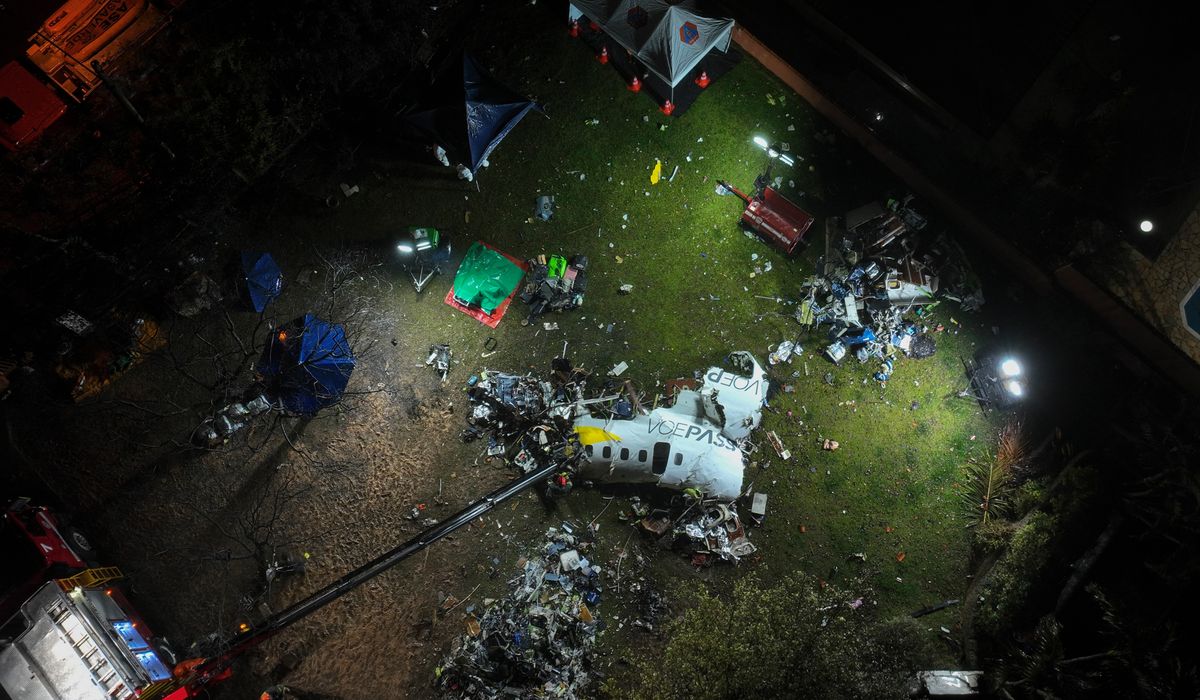
Brazilian air force investigators on Thursday published their findings about the 2024 Voepass airplane accident that killed 62 people after it spiraled into a crash outside metropolis Sao Paulo.
The report lays out a step-by-step look at a violent and tragic event that stunned Brazil and the aviation world. Investigators reconstructed the flight path, examined aircraft systems, and reviewed crew actions to explain how a routine trip turned fatal. Families, regulators, and carriers are all watching how these findings will change operations and oversight. Questions about maintenance, decision-making and system performance now move from speculation to documented detail.
What stands out first is the aircraft’s sudden loss of control described in the report, which investigators traced to a rapid, spiraling descent. That motion left little time for corrective action and created conditions that proved unsurvivable for most on board. The pattern is unmistakable and forces an honest look at whether procedures and equipment gave crews a fighting chance. For the public, the raw details make the scale of the disaster painfully clear.
Investigators reviewed the flight data and cockpit voice recorders to put together a sequence of events leading up to impact. Those records are central to understanding crew communications, automated system behavior, and the timing of any malfunctions. The report avoids speculation and sticks to what the black boxes and physical evidence can support. Those technical readouts will also guide any safety recommendations that follow.
Maintenance records and operator practices came under scrutiny as part of the review. Investigators checked service logs, component replacements, and adherence to inspection schedules without making unproven accusations. Where gaps or deviations appear, the report flags them for regulators and the operator to address. That kind of follow-up is where accountability can turn into real safety improvements.
Weather and airport conditions were considered but do not emerge as sole explanations for the loss of control. The report notes operational context around the flight, including traffic, airspace, and environmental factors investigators could verify. When external conditions are not decisive, internal systems and crew response grow even more important to understand. That shifts the emphasis to human factors, procedures and equipment performance.
Regulatory oversight will likely face renewed attention after these findings become public, since documented weaknesses almost always prompt policy reviews. Aviation authorities will examine whether existing rules, inspections, and compliance checks were applied effectively. The report gives them a factual basis to recommend changes without jumping to political theater. Proper follow-through could close safety gaps and reduce the odds of a repeat tragedy.
The airline and operator now carry the burden of responding to specific items identified in the investigation. That includes technical fixes, training updates, and possibly broader operational changes depending on what was found. Families and the public will watch how quickly and transparently those steps happen. Real change tends to come only when pressure is sustained and regulators insist on measurable results.
Search and rescue and emergency response reviews are another practical angle in the report, focusing on how authorities reacted after the crash. Timely, effective response can affect survivability and victim support, even if it cannot undo the initial cause. The investigation documents what went right and where delays or coordination failures occurred. Those findings are immediate, actionable insights for municipal, state and federal responders.
As the aviation community digests the report, the central fact remains stark: 62 people lost their lives in a crash that unfolded in moments. The published findings aim to turn those losses into lessons, shaping changes across maintenance, training and oversight. If acted upon, the hard details in the report can reduce risk for other flights and restore some confidence to worried passengers. The next steps depend on how swiftly regulators and operators move from words to concrete fixes.

