

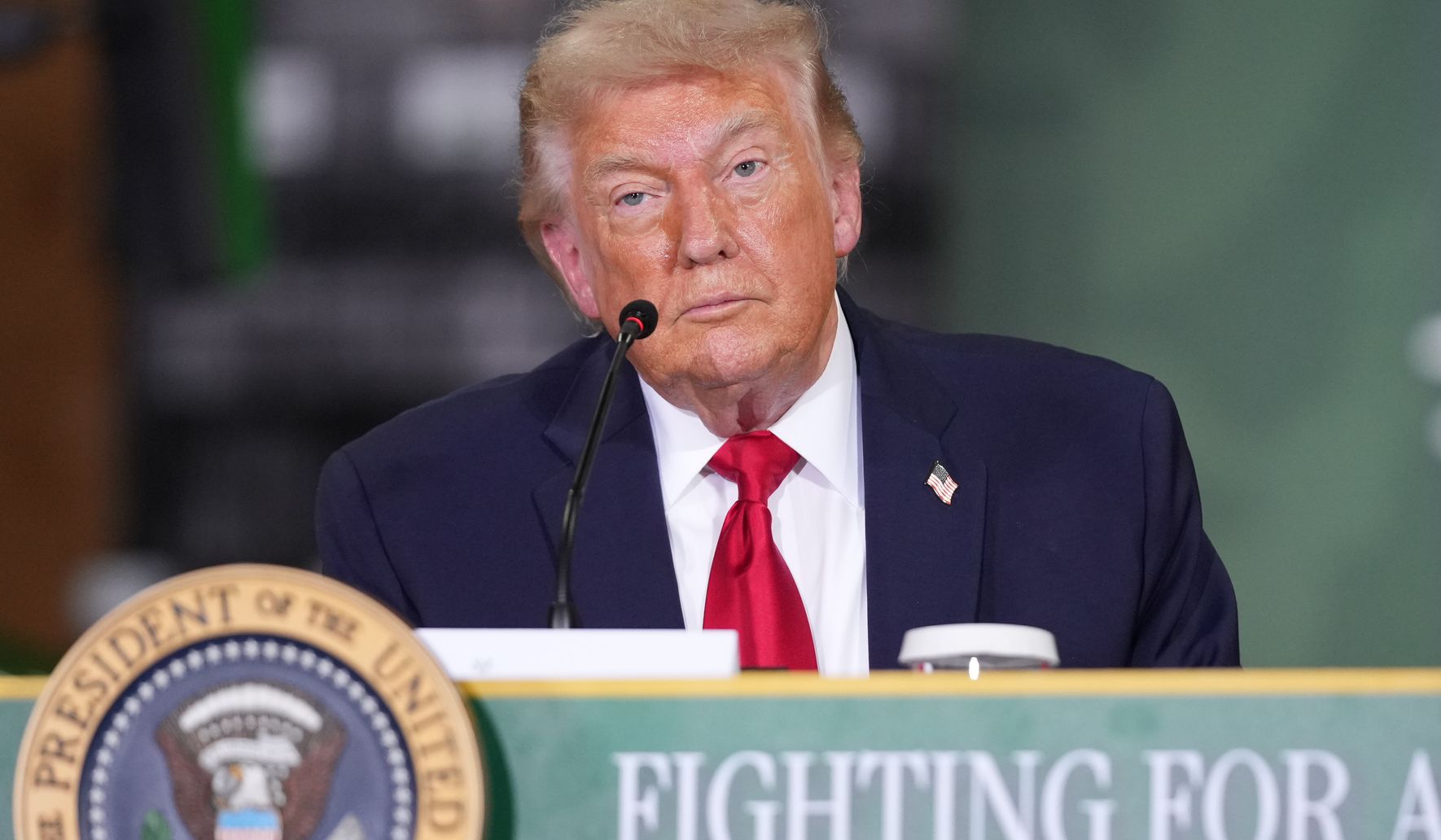
President Trump told a crowd in Chippewa Falls that his administration delivered tax relief and record export growth, and he vowed to bring down soaring fertilizer and energy costs facing farmers.
CHIPPEWA FALLS, Wisc. — President Trump spoke directly to Wisconsin farmers about concrete wins his team claims, pointing to tax changes and expanded markets that boosted exports. He leaned into the promise that rising input costs, especially for fertilizer and energy, will be a top priority moving forward. Farmers in the room heard a mix of policy talk and plain-speaking reassurance that their struggles are being taken seriously.
He highlighted tax relief as a central achievement that, in his view, put more money back into rural pockets and into farm operations. That message resonated with attendees who have felt the pinch from higher operating expenses and tighter margins. The tone was pragmatic and oriented toward immediate relief rather than abstract promises far down the road.
Trump also pointed to record export growth as evidence that trade priorities were paying off for American agriculture. Farmers depend on overseas demand to move commodities, and stronger exports help stabilize prices and clear crops from storage. The administration framed that growth as a win that supports rural economies and strengthens negotiating leverage in future trade talks.
On the biggest headaches right now, he singled out fertilizer and energy costs as areas where action is needed and possible. Surging prices for both inputs have squeezed farm budgets, raising the cost of planting and harvesting. Trump emphasized that lowering those bills will come from policy changes that empower domestic production and reduce burdensome regulations.
His pitch leaned on common-sense fixes: streamline approvals, expand supply, and make American energy and fertilizer production work for farmers instead of against them. That approach fits the broader Republican case for boosting domestic industry and reducing reliance on distant, unstable supply chains. The goal he laid out was to make production inputs more predictable and affordable so farmers can plan with confidence.
Farm-state voters got talk of customs and markets alongside the cost-of-production conversation, a reminder that trade and domestic policy are linked for agriculture. If export lanes stay open and favorable, commodity prices and demand have a better chance of supporting working farms. The speech tied export performance to local farm prosperity in plain terms that aimed to bridge Washington policy and day-to-day farm realities.
He also used the platform to critique overregulation and to promise relief through streamlined permitting and regulatory reviews. The message was that Washington should get out of the way where unnecessary rules drive up prices and slow production. For farmers facing tight margins, fewer bureaucratic hurdles can mean faster access to inputs and markets, and a more reliable planning horizon.
Throughout his remarks he kept the language direct and focused on outcomes farmers care about: lower costs, steadier markets, and tax policies that leave more money on the farm. Listeners heard a case that policy choices in Washington matter to planting decisions and family budgets back home. The emphasis was on results and accountability rather than vague commitments.
Local producers and farm leaders in attendance reacted to both the promises and the performance claims, weighing what has changed and what still needs work. For those in the field, any movement on fertilizer and energy costs translates quickly into how many acres get planted and how profitable the harvest will be. The administration’s pledge to tackle those input spikes aims to turn talk into relief farmers can feel at the gas pump and in the fertilizer shed.
As the event wrapped up, the message was simple and unapologetically pro-farm: keep taxes manageable, expand markets for American goods, and drive down the cost of the inputs that determine a season’s success. That formula is the backbone of the pitch to rural voters who want practical solutions that protect family farms and boost local economies. For many in Chippewa Falls, the takeaway was a familiar one: policy should back producers first and foremost.

