

A GOP Revolt – Or Just a Blip on the Radar?
On Jun 6, 2026, a string of confrontations inside the Republican conference put the spotlight back on intraparty divisions and what they mean for the party’s future. Some lawmakers broke ranks over loyalty to former President Trump, while others pushed for a more traditional conservative roadmap. The fallout is already shaping debates about leadership, messaging, and strategy heading into the next cycle.
The immediate headlines painted sharp lines: Republicans who resisted Trump’s push faced criticism from the base, and those who embraced him were still criticized by establishment figures. Voters are not blind to this tension, and turnout will reflect whether the party looks united or fractured. For Republicans, unity is not just political hygiene; it is the difference between winning and losing key races.
At its core, this is a fight over priorities. Some in the conference argue that electability and governing competence must come first, while others say loyalty and cultural momentum are nonnegotiable. Both sides claim they are defending the party’s future, but they define that future very differently. That split makes forging a coherent agenda harder but also forces a much-needed conversation about conservative identity.
There is also a real, practical element to the dispute. When members of Congress vote against party leaders or join with the other side on procedural fights, it changes leverage on committees and in the whip count. Those tactical moves have consequences beyond headlines; they affect funding, committee assignments, and the ability to advance policy. Republicans who ignore the mechanics do so at their own peril.
Grassroots activists are watching, and their patience has limits. Primary voters have the power to punish perceived disloyalty, and they often do. That reality presses incumbents to read the tea leaves carefully: sway the base or risk a credible challenger. The best course is not mindless fealty, but clear, bold conservative proposals that satisfy both principle and voter expectations.
Policy differences are part of the story, but so is tone. Many rank-and-file Republicans want a tough stance on immigration, a responsive approach to national security, and material improvements in the economy. They expect elected officials to spell out how those outcomes will be achieved, not just trade barbs about personalities. Substance wins votes more reliably than spectacle.
Messaging matters, and the media feeds on conflict. When the party looks like a reality show, the American people hear less about conservative solutions and more about internecine drama. That benefits opponents and weakens the case for change. Republicans should be smart about how they contest power without letting the story be only about internal feuds.
There is a tactical argument for restraint. Overcorrecting for unity can erase legitimate dissent and smother fresh ideas, while embracing chaos breeds instability. The trick is creating institutional norms that permit debate without devolving into public disorder. A disciplined conference can debate hard in private and present a focused front in public.
At the same time, voters demand accountability. When lawmakers act against their stated principles, they should expect scrutiny and electoral consequences. Republican voters are not a monolith, but most value consistency and courage. Candidates who articulate a clear conservative case and own it will find a receptive audience.
The upcoming election calendar amplifies all of this. Midterms and presidential campaigns compress choices and make those fractures more visible. If Republicans present a muddled alternative, moderates and fence-sitters will not be convinced. Conversely, a revitalized conservative platform that addresses everyday concerns can turn the heat back on Democrats.
Longer term, the party must reconcile two truths: enthusiasm and governance must coexist if conservatives want to win and deliver. That means choosing policies that excite the base and perform for the country. It also means leadership that can keep the conference focused on results rather than perpetual internecine drama.
Finally, the optics of revolt may be temporary, but the lessons are permanent. Republicans who lean into practical solutions, respect voters’ instincts, and manage internal debates without self-destruction will be better positioned. The title question, “A GOP Revolt – Or Just a Blip on the Radar?” reflects an unsettled moment, yet it also frames an opportunity to rebuild a party that wins and governs effectively.
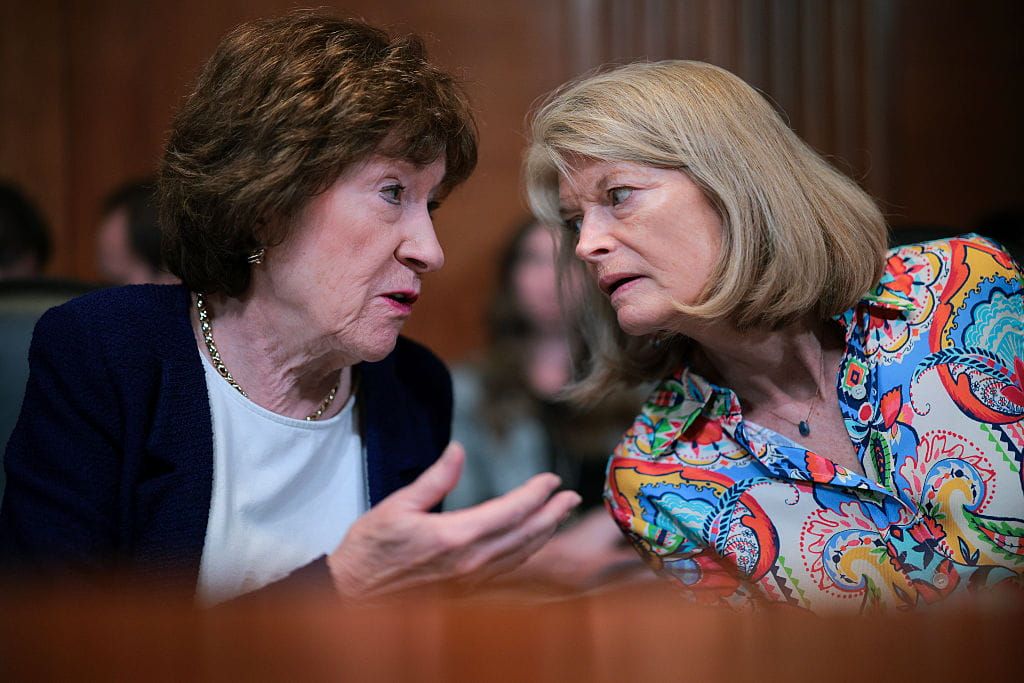
(Photo by Chip Somodevilla/Getty Images)

