

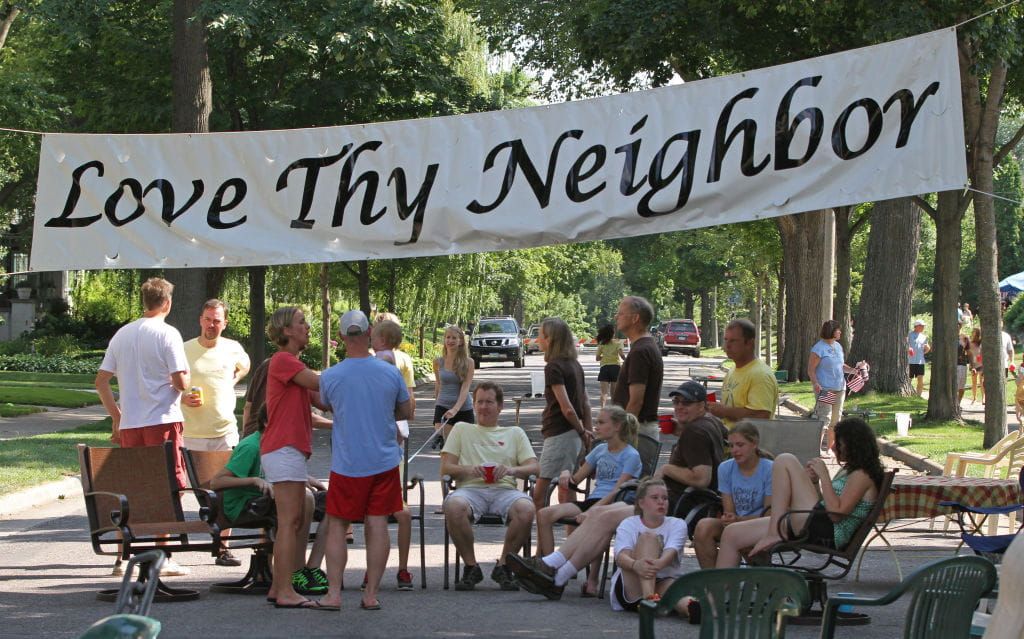
Neighbors shape daily life, safety, and shared freedom; this piece looks at practical ways to know them, why those connections matter, and how simple habits build more resilient communities.
“Knowing those who live near you is an important part of retaining your liberty.” That idea cuts to the core: freedom depends not only on laws but on the informal networks that surround us. Good relationships with neighbors make neighborhoods safer, more cooperative, and more adaptable in a crisis.
Start with small, consistent gestures that signal you’re paying attention. A wave while walking the dog, an offer to water plants when someone’s away, or a quick chat in the driveway opens doors more than grand gestures ever do. These tiny moves lower friction and invite reciprocal kindness.
Safety is the most obvious payoff. People who know one another notice when things are off and act faster, reporting problems or checking on neighbors who need help. Organized efforts like informal phone trees or neighborhood messaging groups turn casual familiarity into real response capability.
Community cohesion also preserves practical freedoms by resisting overreach from distant authorities and outside forces. When neighbors trust each other, they can coordinate to keep local services responsive and make shared decisions about their streets and parks. Strong local ties create a buffer against one-size-fits-all rules that ignore neighborhood differences.
Still, modern life makes connection harder than it used to be. Longer commutes, remote work, and digital entertainment reduce the chances of bumping into one another. Building routines that create opportunities for interaction — morning coffee on the porch, a monthly block cleanup, or a communal garden shift — counters that drift.
Shared projects give people a reason to meet and a positive goal to work toward. Neighborhood cleanups, babysitting co-ops, or a tool library turn acquaintances into collaborators. When residents build something together, they invest in the place and in each other’s well-being.
Trust grows when expectations are clear and consistent. Simple neighborhood norms — quiet hours, parking etiquette, pet rules — prevent petty conflicts from escalating. Agreeing on a few ground rules and enforcing them with civility keeps daily life predictable and fair.
Neighborhood watches and community patrols have a role, but they must be smart and respectful. The point is not to turn neighbors into vigilantes but to create a network that shares information and supports one another. When organized transparently and with clear lines to local law enforcement, these efforts reduce crime without creating new problems.
Digital tools can help, but they should not replace face-to-face interaction. Apps and message boards are great for alerts and coordination, yet they often lack the nuance of in-person conversation. Use technology to amplify real relationships, not to substitute for them.
Inviting neighbors into your home or yard changes the dynamic faster than public chats. A simple potluck, game night, or tool-sharing afternoon creates deeper bonds. Hospitality signals investment and makes people more likely to look out for one another afterward.
Children and schools are natural engines of connection. Parents who coordinate drop-offs or playground shifts meet regularly and build trust through shared concern for kids. Those relationships translate into communal effort when the neighborhood faces emergencies or policy fights.
Be mindful of newcomers and renters, who often get overlooked even though they are essential to neighborhood vitality. Welcoming notes, a short orientation to local practices, or a small gathering introduces them to the social fabric. Inclusion keeps neighborhoods from splintering into cliques and transient groups.
Conflicts will happen, but handling them locally preserves community agency. Approach disputes calmly, aim for solutions that respect property and privacy, and avoid escalating to punitive authorities whenever reasonable. Local resolution maintains relationships and reduces dependency on distant institutions.
Finally, remember that resilience is cumulative: daily courtesy builds the background of trust that makes extraordinary cooperation possible. Consistent small efforts add up to a neighborhood culture where people care for one another and defend the freedoms that depend on those ties. When neighbors are known and dependable, liberty finds a practical, daily home.

