

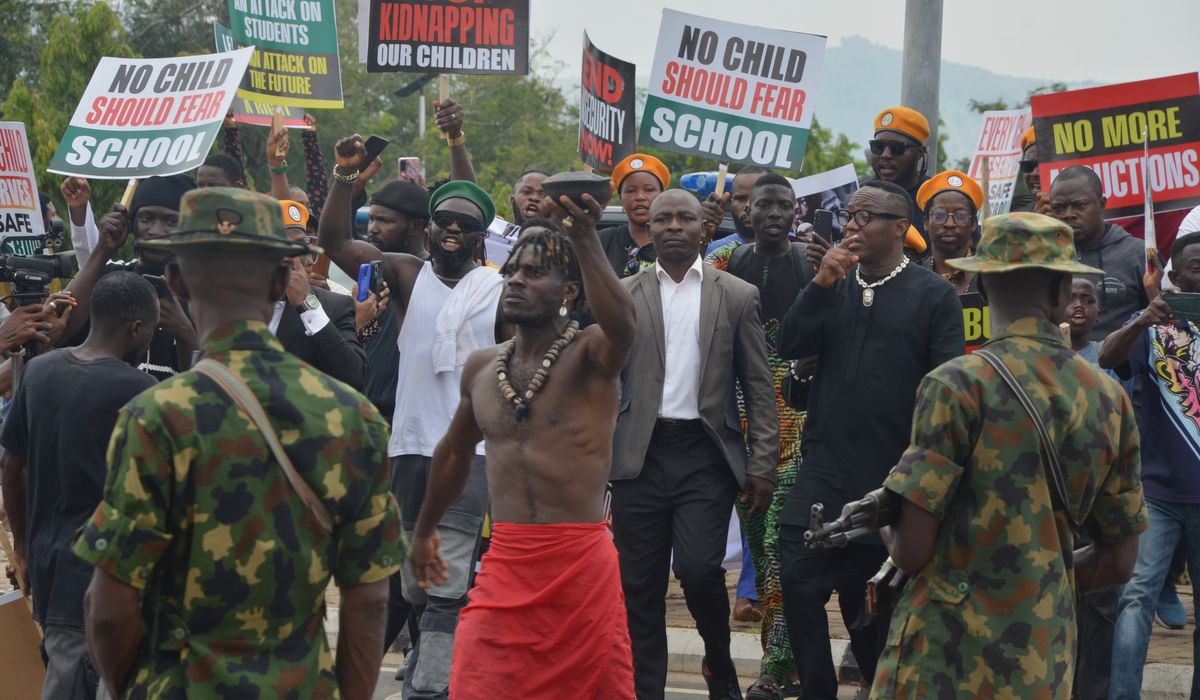
The Nigerian military reported a major rescue operation in Borno, saying a large group of people taken by militants were freed, and the claim has renewed focus on security and recovery efforts across the region.
The Nigerian army said Sunday it freed 360 people abducted by Boko Haram in southern Borno, in the northeastern part of the country. Officials framed the operation as a significant breakthrough after repeated attacks and kidnappings have haunted communities there. Local leaders described relief but warned the region remains fragile and that freed captives will need immediate care.
Borno state has been at the heart of Boko Haram’s violent campaign for years, and the group is widely known for using kidnappings as a tool of terror. Villages in the south of the state have faced raids that displace families and disrupt farming and markets. Humanitarian groups consistently highlight how insecurity in the area worsens hunger and undermines basic services.
The army’s announcement did not go into every operational detail, but military statements emphasized planning and coordination in recovering the group of captives. Rescue operations in that theater often involve infantry, local intelligence and attempts to avoid heavy civilian casualties. Even successful recoveries leave difficult logistics—transporting survivors, vetting for safety and providing medical attention.
Survivors of abductions frequently arrive with medical needs and psychological trauma, and responders say those needs must be addressed quickly to prevent further suffering. Local clinics are usually under-resourced, and humanitarian agencies try to triage care while coordinating with authorities. Reunification with families can be complicated when communities are scattered or when documentation is absent.
There are also security ripple effects after a rescue like this: militants sometimes retaliate, and displaced people may be slow to return home out of fear. Security officials face the dual task of protecting liberated areas and pressing on with operations to disrupt remaining militant cells. Analysts point out that military success needs to be matched by policing, stabilization, and community-level trust-building to prevent repeat abductions.
Beyond the immediate security response, the freed people will require reintegration support that covers shelter, food, basic services, and counseling. Local authorities and aid groups often coordinate to identify gaps and deliver urgent relief packages. Long-term resilience depends on restoring livelihoods and rebuilding infrastructure that insurgency has degraded.
International attention to incidents in northeastern Nigeria tends to spike after dramatic rescues, but sustainable improvement requires consistent resources and political will. Observers urge a combination of security pressure on militant networks and investment in services that reduce vulnerability to recruitment or coercion. For now, the news that 360 people were freed provides a necessary moment of relief but also underscores ongoing risks and the work still ahead.

