

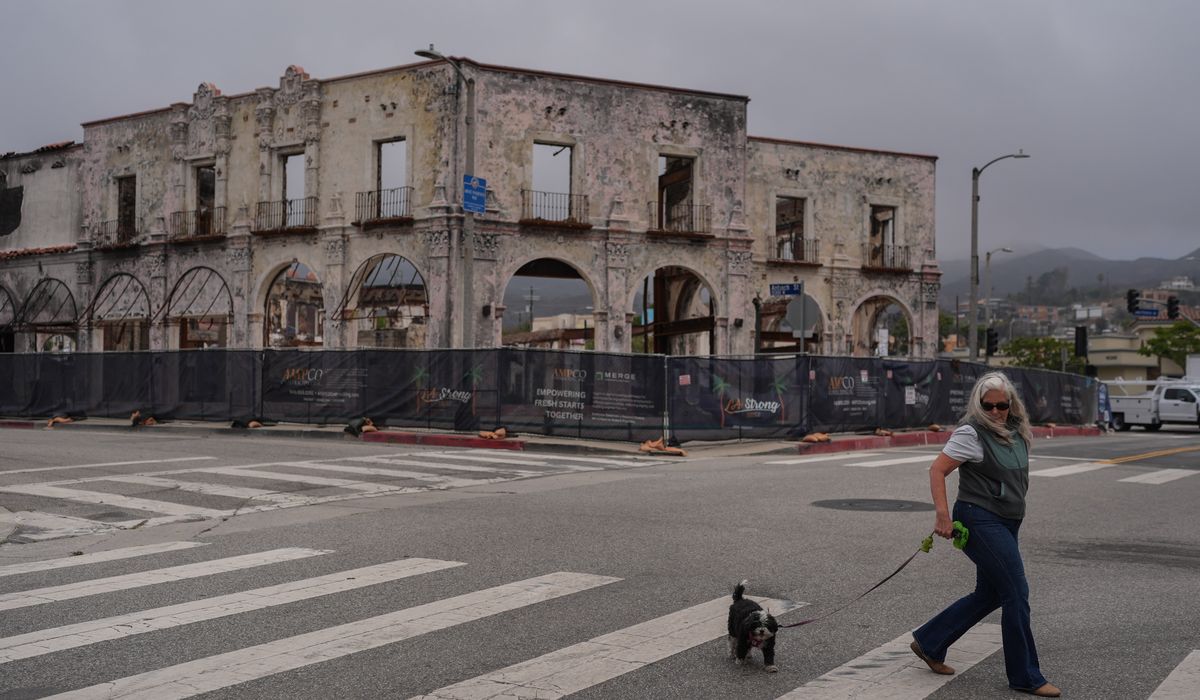
The federal arson trial starting Monday puts a single accused man at the center of last year’s destructive Palisades Fire, while the community struggles to rebuild and political fallout echoes through the Los Angeles mayor’s office. The courtroom fight and the rebuilding ahead are shaping how residents, officials, and law enforcement face accountability and recovery. This moment ties together criminal justice, public safety, and city leadership in a way that will matter for years to come.
The trial opening Monday is a federal matter, which signals the seriousness of the charge and the level of scrutiny coming from prosecutors. A federal case means more resources, a different burden of proof, and broader consequences if the accused is convicted. For the victims and neighborhoods that lost homes and businesses last year, the courtroom is where public answers may finally start to surface.
Local residents are still coping with the physical and financial wreckage of the Palisades Fire as rebuilding moves forward at a fitful pace. Insurance disputes, permit delays, and the basic logistics of reconstruction are dragging on, leaving many families in limbo. That slow pace is feeding frustration and a growing sense that government at several levels has not delivered fast or fair support.
There is a political angle too, because the aftermath has touched the Los Angeles mayor’s office directly. The mayor’s handling of emergency response and recovery is being measured in real time, and critics are quick to point out where leadership has fallen short. From a Republican viewpoint, this is a test of competency and accountability, not just compassion and public relations.
Law and order matters here because the alleged arsoning of homes and wildland is a crime with victims and clear public harm. Arson is not an abstract policy problem; it destroys livelihoods and risks lives, so prosecutions must be thorough and penalties meaningful. A federal case can set a precedent that helps deter others who would recklessly ignite neighborhoods.
Beyond the courtroom, rebuilding policy choices will decide how quickly people can return to normal life and how taxpayer dollars are spent. Republicans typically argue for cutting red tape so permits get issued and homes can be rebuilt without unnecessary delay. That approach stresses efficiency, private property rights, and backing first responders rather than expanding bureaucratic programs that drag out recovery.
Fire prevention and forest management are also part of the conversation, and they deserve blunt scrutiny. Fuel reduction, defensible space around properties, and better coordination between state and local agencies are practical steps that should have been pursued aggressively before disaster struck. Politically driven delays and regulatory barriers often make these commonsense measures harder to implement, leaving communities exposed.
Families seeking justice want both accountability in court and speed in rebuilding. A conviction could provide a measure of closure, but it will not resurrect what was lost or fix the policy failures that made the damage worse. That’s why a two-pronged focus on criminal accountability and pragmatic recovery policy is necessary if residents are to regain confidence in public institutions.
Taxpayer exposure is another angle that can’t be ignored; emergency spending and long-term recovery plans carry big price tags. Republicans generally emphasize fiscal responsibility and being smart about where taxpayer dollars go, pushing for private-sector solutions and streamlined public assistance. That stance is meant to avoid waste and ensure funds actually help displaced people instead of getting trapped in bureaucracy.
Finally, the trial and the rebuilding will be an ongoing test of civic resolve and political honesty. Leaders must show they can both support law enforcement in seeking justice and cut through needless hurdles that slow recovery. The community deserves competent governance that respects victims, secures neighborhoods, and restores daily life with urgency and common sense.

