

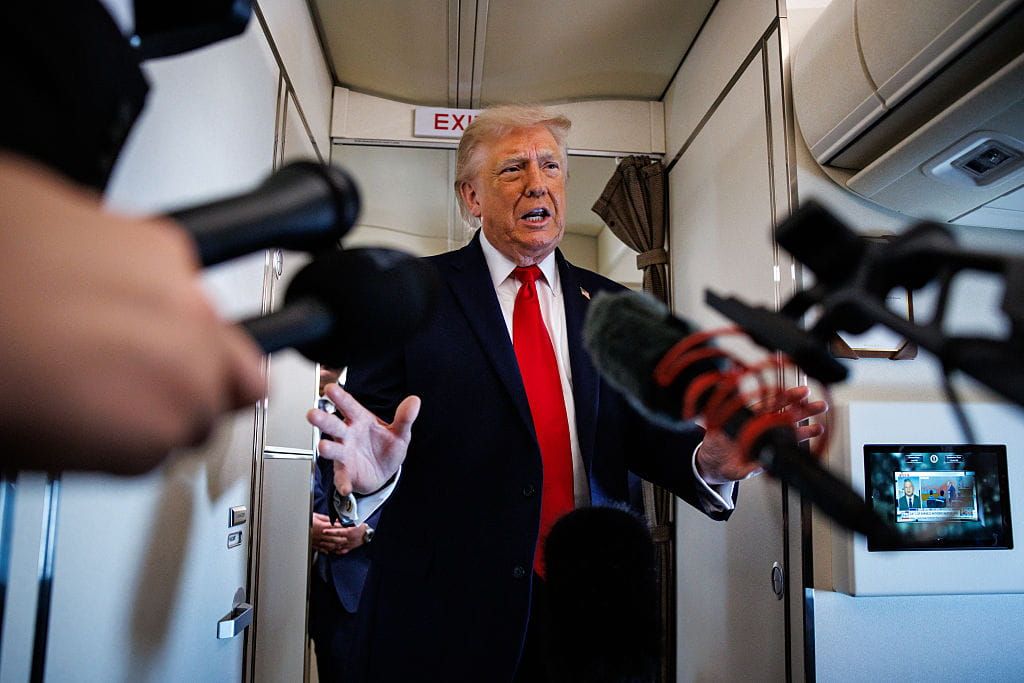
Donald Trump’s influence in Congress is the story this week, with key fights over war powers, budget reconciliation, and FISA reforms shaping whether he helps the GOP score wins or stumbles trying to push a heavy hand into the chamber.
Capitol Hill is moving fast, and Republicans are watching closely to see if Trump can bend the outcome in his favor. The week’s calendar is crowded and the stakes are obvious: policy wins and political momentum hinge on how the party lines hold and whether Republican leaders can turn pressure into votes.
“War powers, reconciliation, and FISA – It’s all up for grabs.” That line cuts straight to the core of what’s at stake: control over foreign policy posture, who gets to write the spending rules, and how the government surveils Americans. For Republicans, these topics are not abstract; they’re practical fights about power, liberty, and fiscal responsibility.
On war powers, the Republican argument is straightforward—Congress should not let Washington micromanage every military decision while failing to secure the nation. Conservatives insist on clear limits that restore accountability both to the people and to their elected leaders, rather than letting vague authorities remain a permanent blank check.
Reconciliation is the tool that can move budgets without the usual brinkmanship, and Republicans see it as a path to force fiscal discipline and trim runaway spending. If the GOP leverages reconciliation properly, it can lock in priorities without allowing agenda-heavy riders that increase deficits and expand government beyond what voters want.
FISA reform remains a bitter pill for many on the right who worry about unchecked intelligence power and mission creep. Republicans are pushing for stronger oversight, tighter warrants, and protections for ordinary citizens so that security does not become an excuse for surveillance without restraint.
Trump’s role is part strategist, part showman. He still moves base voters and can apply pressure to wavering members of Congress, but that influence has limits. Success this week depends on whether GOP lawmakers translate his public posture into votes without alienating moderates they need to pass legislation.
There are risks. If Trump pushes too hard or plays the same high-stakes game that inflamed past fights, he might push some Republicans into defensive mode or hand Democrats an easy message about instability. Legal distractions and media storms also sap focus from the policy debates that need clear, disciplined shepherding.
Still, the conservative path forward is tactical: pick achievable reforms, force clean votes, and avoid overreaching. That approach can yield tangible wins on surveillance safeguards, budget restraint, and clearer rules on war powers—outcomes that matter to voters who want results, not endless theater.
What happens in the next few days will tell us more about the party’s muscle and who shapes it. If Republicans remain disciplined and use the levers available, they can turn high-energy rhetoric into concrete policy gains; if they fracture, the opportunity evaporates and politics takes the day.

