

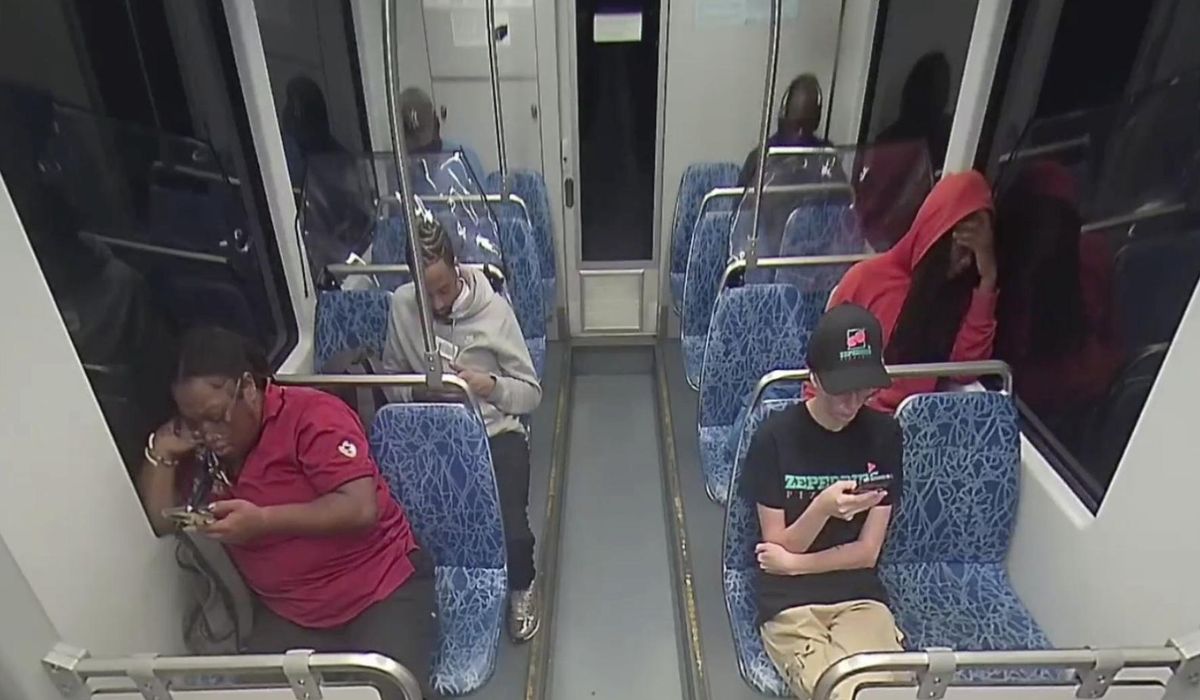
The accused in the fatal Charlotte light rail stabbing has been found incompetent to stand trial by a federal judge, a development that pauses criminal proceedings while raising questions about the legal path ahead for both prosecutors and the victim’s family.
The man accused of fatally stabbing Iryna Zarutska aboard a Charlotte, North Carolina, light rail train has been ruled incompetent to stand trial by a federal judge. That ruling halts the normal progress of court proceedings and shifts the immediate focus from trial preparation to assessment and treatment. The crime happened on public transit, which magnifies public concern and interest in how the case moves forward.
A federal judge issued the competency finding after hearings that considered the defendant’s mental state and ability to participate in his defense. Competency hearings typically examine whether a defendant understands the charges and can assist counsel in a rational way. When a court finds incompetence, it must follow procedures meant to protect the defendant’s rights while balancing the interests of justice.
Legal practice provides several possible routes after a competency ruling. Courts can order psychiatric treatment, civil commitment, or periodic competency evaluations to monitor whether the defendant’s condition improves. If competency is restored, the case can return to the trial schedule; if not, longer-term solutions are pursued under federal law. These steps are administrative but crucial to ensuring any future trial is constitutionally fair.
Prosecutors are part of that process and typically outline their plan following a finding of incompetence. They may request regular reviews, pursue treatment aimed at restoring competency, or seek other court orders consistent with federal statutes. The decision to pause a trial does not mean prosecutors are abandoning the case; it redirects their immediate strategy toward legal avenues that address the defendant’s mental health and fitness for trial.
The setting of the crime — a light rail train in Charlotte — adds pressure from the public and local leaders concerned about safety on mass transit. Violent acts in public spaces force an intersection of criminal justice, public policy, and community trust that can be slow to repair. Families of victims often face additional frustration when legal delays occur, even when those delays arise from serious medical and legal considerations.
Court-ordered psychiatric care can take many forms and is typically delivered in secure medical facilities or in supervised outpatient programs, depending on the circumstances and legal mandates. Federal courts follow a statutory framework that aims both to restore competency when it is possible and to protect the community when there are ongoing concerns. Judges receive assessments from mental health professionals and weigh those expert opinions before deciding on treatment plans or ongoing detention.
The case will likely see repeated judicial review. Periodic hearings allow judges to assess whether the defendant’s condition has changed and whether the criminal process can proceed. Meanwhile, prosecutors may continue building their case factually and legally so that evidence, witness preparation, and procedural matters are ready if and when competency is restored. That preparatory work happens behind the scenes while the court supervises any mental health interventions.
For residents and transit riders in Charlotte, the incident and the subsequent legal developments highlight calls for both improved safety measures and clearer communication from authorities. The intersection of criminal conduct and mental health is complicated, and legal outcomes can take months or longer to resolve. As the court-ordered process unfolds, the community, the victim’s loved ones, and legal officials will all watch the next steps closely, waiting for updates from the federal court system.

