

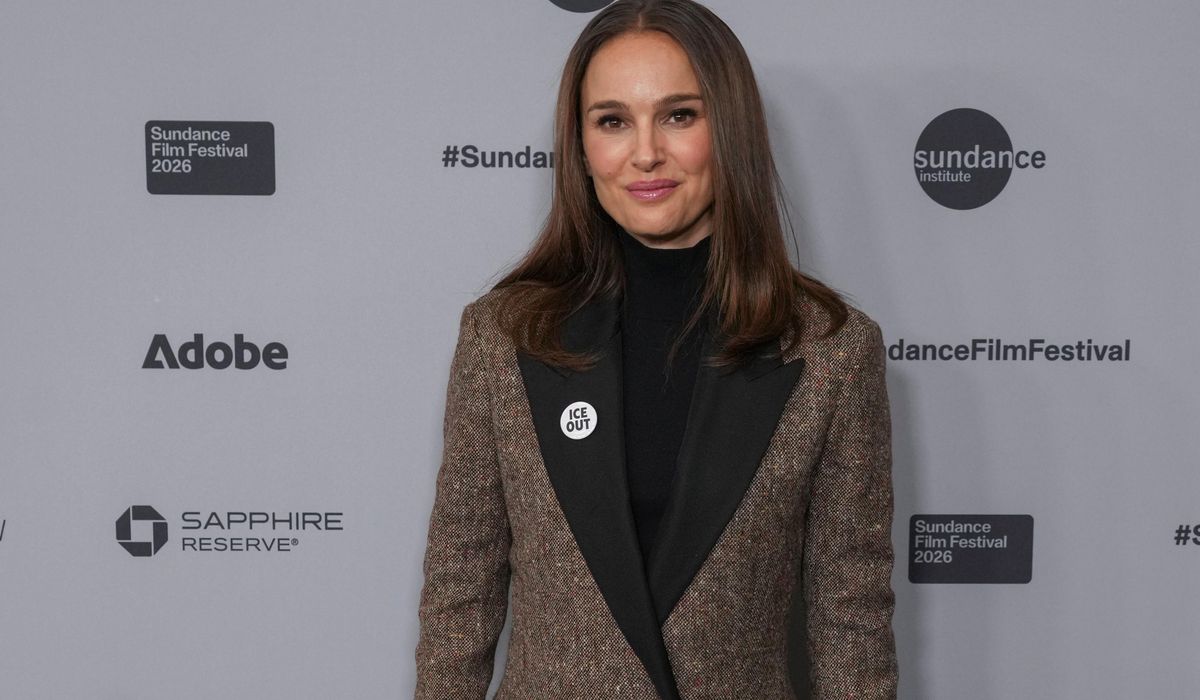
Natalie Portman joined more than 350 prominent figures in the international film industry in signing an open letter condemning the cultural boycott of Israeli director Nadav Lapid, a move that has reignited debates over artistic freedom and cancel culture.
The signature list, which includes actors, directors and industry veterans, opposes a targeted cultural boycott aimed at a working filmmaker rather than at institutions or policies. The letter frames the boycott as an attack on artistic exchange and warns that punishing artists for their nationality or views sets a dangerous precedent. Supporters argue this is about keeping artistic conversation open even when politics are heated.
For many signatories the choice was simple: defend the idea that art must be allowed to speak and be shown, not silenced by political pressure. From this perspective, singling out an individual filmmaker crosses a line from protest into censorship. The backlash is portrayed as part of a broader pattern where cultural and professional ostracism replace debate.
This episode has forced cultural organizations and festivals to pick sides or to try to navigate an increasingly polarized landscape. Some festivals worry that taking a stance will cost them submissions and credibility; others see neutrality as complicity when pressure grows. The practical fallout can be real: films shelved, panels canceled and careers impacted by campaigns that live as loudly online as they do in industry corridors.
Those who signed the letter emphasize principles over politics, arguing that artists should not be excluded from conversation because of their nationality or political stance. Critics of the boycott argue it punishes the very people who build cultural bridges and undermines the international film community. Backers of the boycott, of course, see cultural pressure as a legitimate tool to contest policies they oppose, which keeps the conflict unresolved.
Many who oppose the boycott frame this fight in broader terms: a defense of free expression against the rising tide of cancel culture. They say a slippery slope is in play when organizers allow collective punishment of creators, arguing that today’s actions against one director could be used tomorrow against others with different backgrounds. The signatories want clear rules that protect artistic exchange even when disagreement is fierce.
At the same time, the public conversation reflects deeper divides about how cultural institutions should act in political moments. Some voices demand that institutions use their platforms to take moral stands; others insist institutions must protect creative freedom as a core mission. That tension shows up in film boards, jury rooms and film festival programs as leaders weigh reputational risk against cultural stewardship.
The move by over 350 industry figures, including Natalie Portman, has put this debate back in the headlines and forced many to state their positions. For conservatives and others worried about the direction of cultural policy, the letter is a reminder that defending free expression matters across ideological lines. For those who support boycotts, it is a signal that cultural conflict will continue to shape industry relationships and public perception of the arts.

