

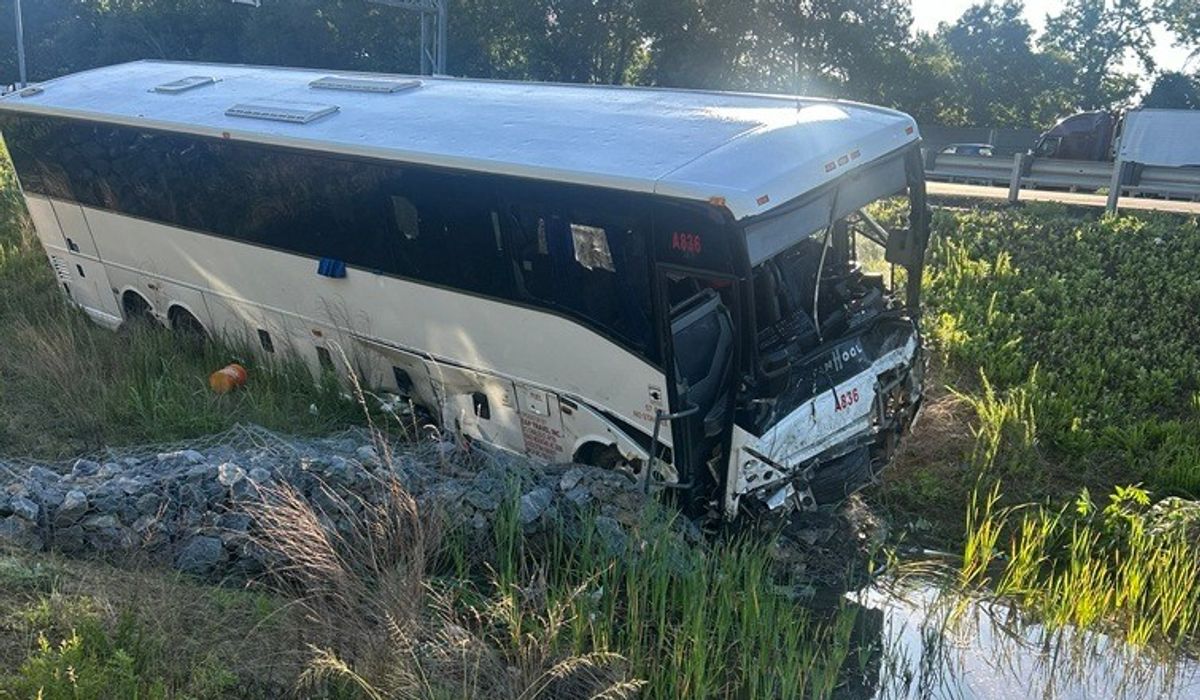
The bus driver involved in the crash on I-95 last month that killed five people in two cars appeared in court Wednesday after getting released from the hospital.
The bus driver involved in the crash on I-95 last month that killed five people in two cars appeared in court Wednesday after getting released from the hospital. Court filings and local reports confirm the brief appearance while the case moves through the early stages of prosecution. Officials did not release additional medical or custody details at the time of the hearing.
The collision shut down a stretch of I-95 and sent emergency crews scrambling to the scene, where responders found two cars with multiple fatalities. Investigators have been combing through evidence from the roadway, vehicle data recorders, and witness statements to reconstruct the moments leading up to the crash. Traffic cameras and cellphone footage often help fill in gaps, and authorities said they will consider every relevant source as the probe continues.
State police are coordinating the investigation and have not yet announced formal charges beyond those noted in the initial report. In incidents involving mass casualties, authorities typically take time to review toxicology, maintenance logs, and driver histories before filing final charges. That extra time can frustrate families seeking answers, but investigators stress the need for a thorough, methodical approach to avoid mistakes.
Survivors and relatives of the victims have described the scene as chaotic and devastating, and community leaders have called for support services to be made available. Grief counselors and victim advocates often work with law enforcement to ensure families receive timely information about funeral arrangements, notices, and legal steps. Local officials face pressure to improve safety measures where high-speed highways intersect busy commuter routes.
Bus operators and carriers are typically subject to federal and state safety rules that cover driver hours, vehicle maintenance, and training. Regulators will likely review the bus company’s logbooks, inspection records, and compliance history as part of the inquiry. If systemic failures are found, the company could face fines, regulatory action, or civil liability in addition to any criminal case against the driver.
Legal experts note that the driver’s court release from the hospital does not mean the end of the legal process, and many preliminary hearings lie ahead. Pretrial motions, discovery requests, and depositions can stretch over months before a criminal trial or plea negotiation. Defense attorneys may press for access to the full investigation while prosecutors build a case that addresses causation and potential negligence.
Traffic safety advocates say crashes like this highlight the need for better engineering, clearer signage, and stricter enforcement of existing laws. Engineering changes such as improved barriers, reconfigured merge lanes, and clearer lighting can reduce the severity of collisions on busy interstates. Policymakers and transportation officials often face difficult budget choices when it comes to implementing large-scale infrastructure fixes.
Meanwhile, the community is grappling with the immediate human toll of the crash, including memorial plans and calls for safer roads. Vigils and community gatherings serve to honor the dead and support those left behind, and volunteers frequently step in to help with logistics. Local elected officials may use this moment to solicit federal or state assistance for victims and for any necessary roadway improvements.
Investigators continue to appeal to anyone with relevant video or eyewitness accounts to come forward, which can be crucial in building a clear timeline. Even small details from motorists nearby can shed light on weather conditions, traffic flow, or a sequence of maneuvers that contributed to the tragedy. As the legal process unfolds, officials say they will provide updates as they become available and as permitted by the investigation.

