

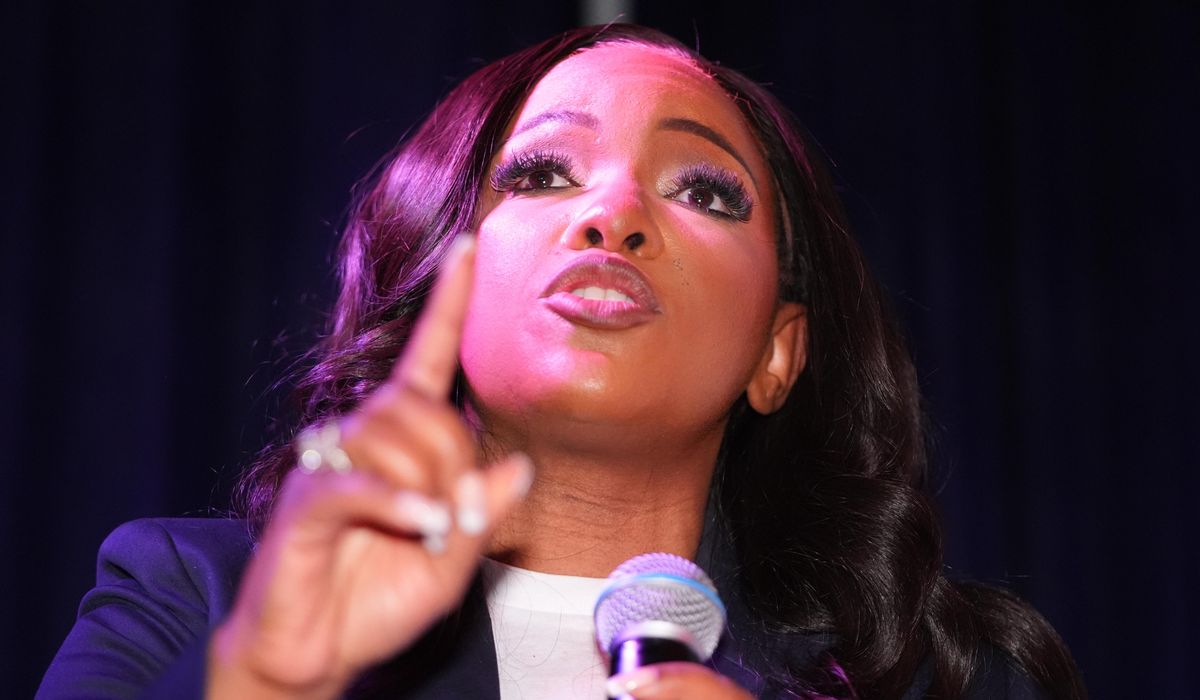
A Texas lawmaker’s public comments about the Karmelo Anthony verdict have stirred debate over how courts and officials talk about weapons, evidence, and public safety. The exchange put a spotlight on whether descriptions of a weapon can sway public opinion and affect trust in the justice system. Voices on all sides are weighing intent, context, and the practical meaning of “deadly weapon” in real incidents.
The comment in question landed in the middle of a charged courtroom moment and quickly became a talking point for critics and supporters alike. Observers flagged the tone and substance of the remark, arguing it downplayed risk at a time when clarity matters for victims and jurors. That reaction is unsurprising — public safety is not a topic most voters want minimized.
JASMINE CROCKETT on the Karmelo Anthony verdict: “Well, I would argue the size of [the knife] alone, you wouldn’t even think it’s a deadly weapon.” The quote has been repeated in reporting and social feeds, and it crystallized the dispute: are size and appearance the right yardsticks for lethal potential? Many on the right say no, and they see the statement as emblematic of softer attitudes toward crime.
From a Republican perspective, the central worry is practical: criminal defenses that hinge on technicalities can erode accountability. A knife’s size might matter in some forensic sense, but commonsense realities show even small blades can be fatal or provoke deadly reactions. Lawmakers and prosecutors ought to be careful with language that could be read as excusing violence or confusing juries.
Legal standards do require context — intent, manner of use, and surrounding facts all shape charges and verdicts — but public explanations need to match everyday understanding. When officials sound like they are making excuses for a weapon, it fuels a perception that the system prioritizes technicalities over safety. That perception is politically costly and erodes confidence in institutions that are supposed to protect citizens.
Victims and families want straightforward answers, not rhetoric that seems to minimize harm. Republicans tend to emphasize deterrence, clear consequences, and respect for victims’ rights, and that framing clashes with any remarks that could be read as normalizing dangerous behavior. The justice system works best when legal nuance is balanced with common-sense descriptions that the public can trust.
Part of the problem is communication. Officials can and should explain the legal categories judges and juries use, while avoiding language that sounds like sympathy for the accused at the expense of victim safety. That balance is delicate, but leaning too far into technical argument in public comments invites political backlash and fuels partisan narratives.
This episode also underscores a larger political split over crime policy. Republicans argue for tougher enforcement and clearer standards that give prosecutors and juries less room for interpretation that benefits offenders. Democrats often stress root causes and context. The clash plays out in courtroom commentary and in press statements, and voters notice who seems to be defending safety versus who appears to be defending an accused person.
Media coverage amplifies these moments, and short quotes can take on outsized meaning. A single line repeated across outlets shapes public impressions more than the full legal argument ever could. That reality ought to make elected officials more cautious; the public doesn’t parse nuance the way legal teams do, and a casual-sounding remark can become a political liability.
Ultimately, the episode is a reminder that words from public figures matter. Officials should frame legal explanations in ways that respect evidence and victims while avoiding rhetoric that sounds like minimizing risk. Clear communication preserves trust in justice institutions and keeps the focus where it belongs: on facts, context, and community safety.

