

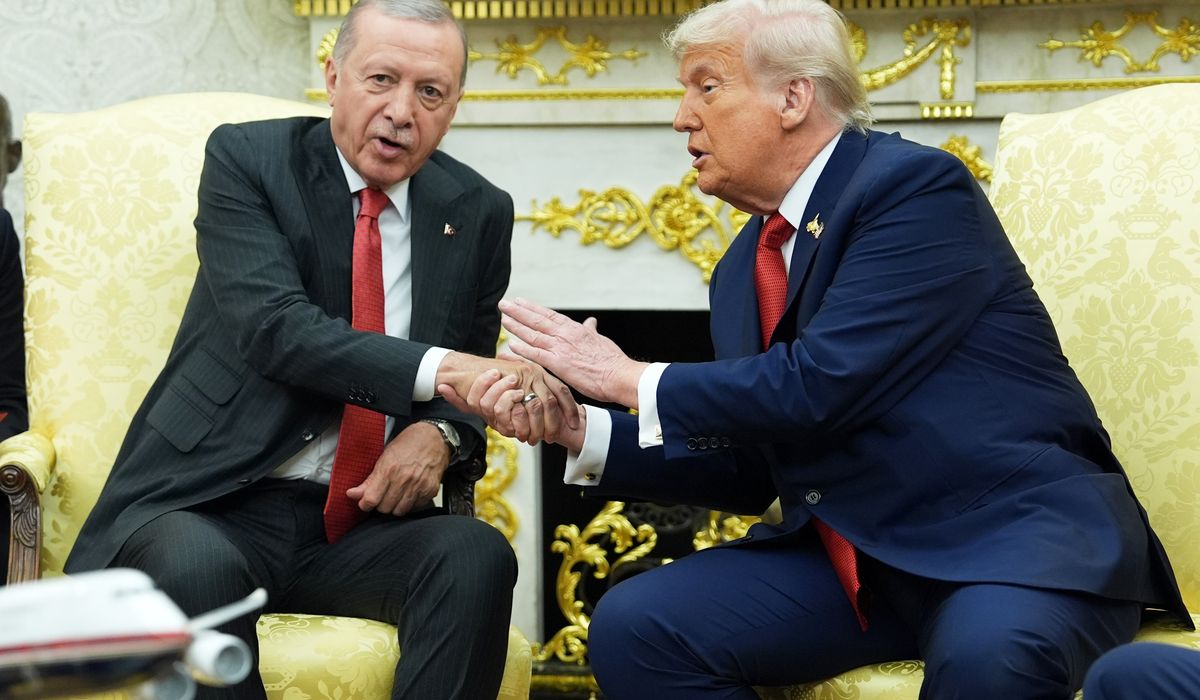
President Trump’s blunt approach to NATO, the upcoming summit in Turkey, and Recep Tayyip Erdogan’s maneuvering are colliding at a delicate moment for U.S. interests and alliance cohesion.
President Trump has berated and belittled many of his European counterparts expected to attend next week’s NATO summit in Turkey. But host Recep Tayyip Erdogan has drawn on his close ties with th
Trump’s style is loud and direct, and that’s part of the story here. From a Republican perspective, his blunt reminders about burden-sharing have forced an honest conversation about who carries the cost of collective defense.
European leaders bristle at the tone, but the substance matters: many NATO members still underspend on defense and rely heavily on U.S. leadership. The summit in Turkey puts that tension on full display, with alliances tested not just by words but by budgets and capabilities.
Erdogan plays the host and the strategist, using his unique position to extract concessions and to remind NATO that Turkey sits at a geopolitical crossroads. Ankara’s posture toward Russia, migration issues, and regional conflicts gives Erdogan leverage that he’s willing to use.
That leverage is real: Turkey’s control over access routes, bases, and migration corridors gives it outsized influence over alliance politics. Republicans see the practical side of that influence and the danger of letting transactional dealings erode long-term strategic unity.
The summit will likely mix tough talk with pragmatic deals, and that’s where Trump’s approach may pay off. Hard bargaining can produce clearer commitments: who increases defense spending, how to handle Turkey’s arms purchases, and how NATO responds to threats near its borders.
There’s a risk, of course, that rhetoric overshadows objectives and that short-term wins come at the cost of future headaches. Erdogan’s relations with Moscow and his willingness to press NATO on migration and regional policy mean any agreement must be watched closely to ensure it advances American interests.
Republicans tend to prioritize results over rhetoric, and from that angle the summit should push for measurable contributions from allies and clear language on shared threats. That means pressing partners to meet spending targets and to contribute capabilities that actually strengthen deterrence.
At the same time, the U.S. must protect vital partnerships. Working with Turkey is not optional; it’s necessary for base access, intelligence sharing, and regional stability. The challenge is balancing cooperation with pressure so Ankara’s choices align with NATO goals.
Real progress will require concrete, enforceable commitments rather than vague promises. Expect debates about force posture in Eastern Europe, NATO’s southern flank, and how to respond to hybrid threats and energy coercion. Those are the arenas where action matters.
In the end, the Turkey summit will test whether blunt honesty and tough negotiation can convert into reliable burden-sharing and stronger deterrence. For Republicans, the key metric is whether the alliance emerges with clearer commitments and better-equipped members ready to deter aggression.

