

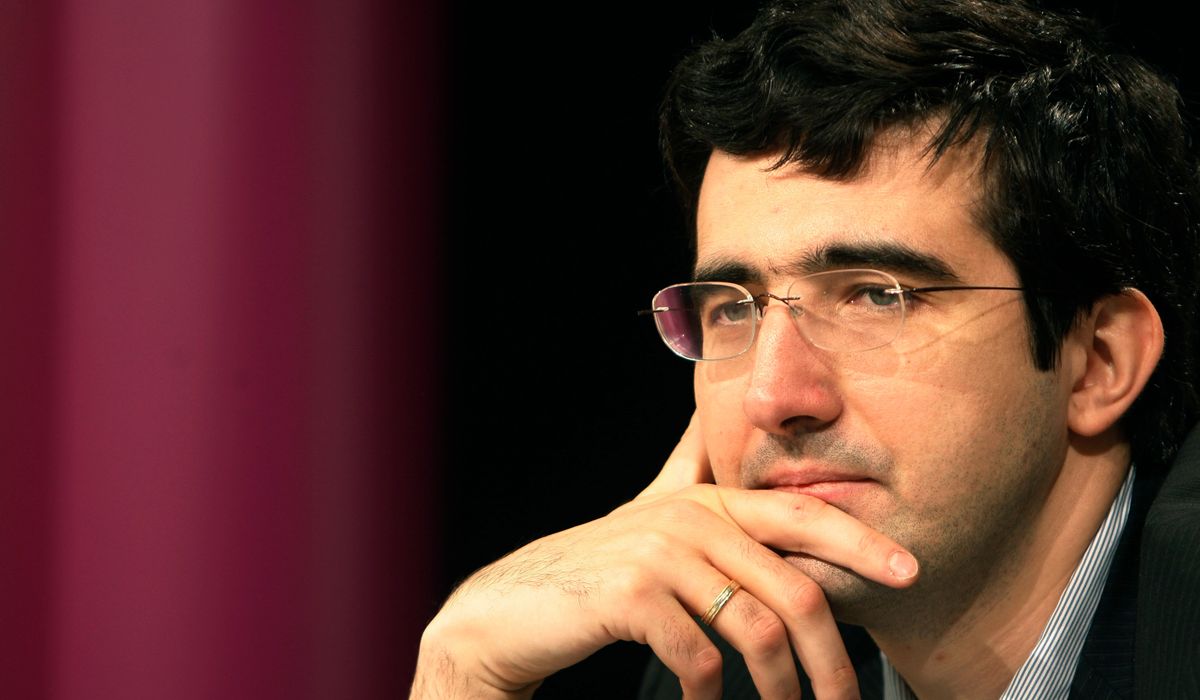
The international governing body for chess suspended former world champion Vladimir Kramnik for at least a year after he made unproven allegations of cheating against fellow players.
The move came after a review of statements and conduct that the governing body found unacceptable for someone in Kramnik’s position. The suspension is set for at least a year, which bars him from official events and roles during that period. Observers say the decision underscores how seriously the organization treats integrity and public accusations.
Vladimir Kramnik is widely known for his world title and long career at the top level of the game, and his voice carries weight in the chess community. That prominence made his accusations more prominent and raised concerns about the potential damage to players’ reputations. The governing body concluded the claims lacked sufficient evidence and that public allegations without proof violate expected standards.
Officials emphasized the need for careful procedures when dealing with accusations of cheating, given how easily careers can be affected. They framed the suspension as a measure to protect the investigative process and to prevent reckless public attacks. The ruling also serves as a reminder that high-profile figures must adhere to the same rules as everyone else.
People inside and outside chess reacted with mixed feelings, reflecting differing views on transparency and accountability. Some players and fans supported a strict response to unverified claims, while others worried about limits to free speech within the sport. Still, the governing body prioritized maintaining orderly channels for lodging complaints and handling evidence.
The case has prompted renewed discussion about how cheating is detected and addressed in competitive chess. Technological tools, tournament oversight, and arbitration procedures all play roles in determining whether wrongdoing has occurred. The organization highlighted the importance of following established investigative steps before going public with serious allegations.
Kramnik himself has a long history as a commentator and coach in addition to his competitive achievements, and the suspension affects those activities tied to official events. His peers and the broader chess community will be watching to see whether an appeal or further proceedings follow. Any appeal process would likely focus on the evidence presented and the proportionality of the sanction.
For many players, the episode is a cautionary tale about the balance between protecting the game and protecting individuals. Accusations can spark necessary scrutiny but also risk unjust harm if not substantiated. Tournament organizers and federations are under pressure to refine both preventive measures and fair dispute-resolution mechanisms.
Cheating allegations in chess are particularly sensitive because technology makes both detection and suspicion more complicated than in the past. Algorithms can flag statistical anomalies, but interpretation requires human judgment and context. The governing body reiterated that conclusive findings depend on careful, corroborated investigation rather than public speculation.
Media coverage of the suspension highlighted the clash between reputation and responsibility for prominent figures in the sport. Commentators noted how a single public statement can ripple through tournament standings, sponsorships, and relationships. The ruling aims to reduce those unpredictable consequences by channeling concerns through formal processes.
Going forward, officials said they want clearer guidance for players, coaches, and commentators about how to raise and handle allegations. That includes specifying channels for submitting concerns, timelines for investigations, and protections for both accusers and accused. The goal is to encourage responsible conduct without chilling legitimate whistleblowing when real misconduct occurs.
As the suspension takes effect, chess organizations and participants will assess whether the current frameworks are sufficient. Some will push for stronger transparency in investigative outcomes, while others will warn against premature disclosures. The debate is likely to generate proposals aimed at balancing fairness, deterrence, and the reputational risks tied to unproven claims.

