

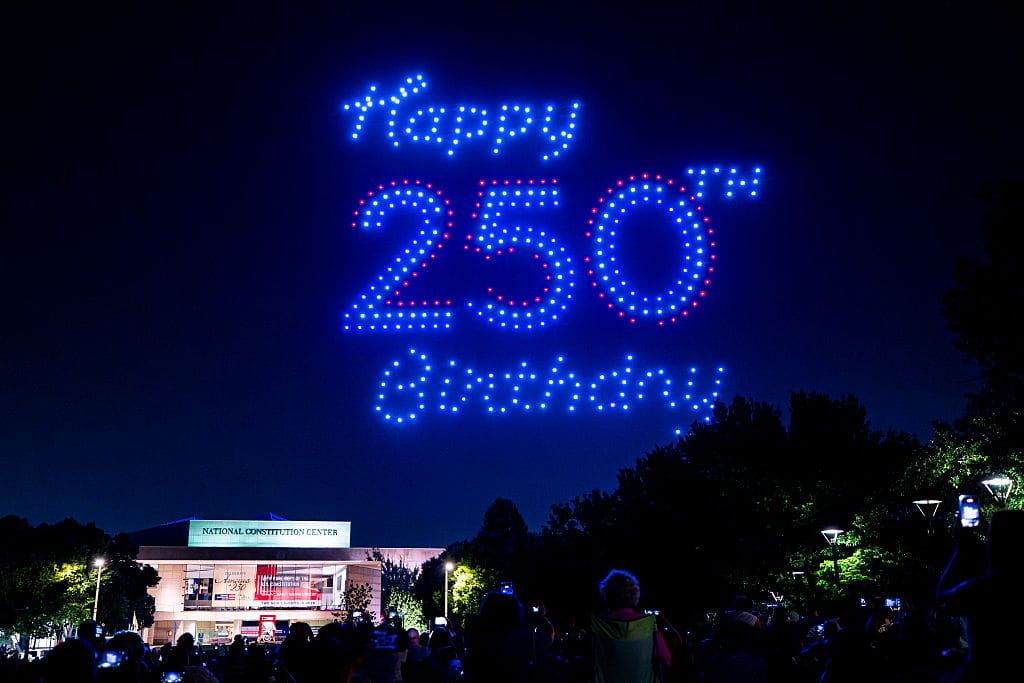
America’s quarter-millennium experiment still hums with promise even as political tempers flare, and that living experiment depends on citizens who choose to preserve liberty, local institutions, and the rule of law rather than surrendering to anger or apathy.
The country that began in 1776 was meant to be self-correcting and resilient, built on checks and balances and the expectation that ordinary people would steward their communities. Those structures have survived wars, depressions, and bitter political fights, proving the design durable when citizens care enough to show up. Today, the question is whether we will act like the stewards our ancestors asked us to be.
Founding principles still matter because they set limits on power and protect individual freedom, and those limits are what allow prosperity to flourish. A healthy republic trusts citizens, rewards responsibility, and keeps government close to the people where it is accountable. When we forget that, we trade liberty for temporary comfort and weaken what has made America exceptional.
Political rancor has been loud and relentless, but rhetorical heat should not be mistaken for collapse. Parties will argue and politicians will posture, but institutions endure when ordinary Americans insist they do. The real danger is not disagreement itself, but the corrosion of habits that make self-governance possible.
From a conservative perspective, renewing our republic starts with restoring civic norms, defending the rule of law, and reasserting federalism so states can innovate and voters can choose. Limited government that respects economic freedom leads to more opportunities and stronger communities. That practical focus beats ideological purity contests that paralyze action and hand victories to our opponents.
Cultural strength and schooling are central to passing this republic on intact, and that means prioritizing truth over propaganda in classrooms and local newsrooms. Strong families and churches have long been anchors of civic virtue, and when they are strong, so is the republic. “Something to ponder over your morning coffee.” is often how small, steady habits of reflection begin.
Economically, the United States still holds unmatched dynamism in innovation, energy, and enterprise, and those engines will matter at the ballot box and at the kitchen table. Policy that unleashes private-sector creativity and secures property rights will expand opportunity faster than top-down schemes. Practical reforms that lower taxes, cut red tape, and protect trade will strengthen the country’s backbone.
Local engagement is the underrated answer to national malaise: school boards, town councils, and volunteer groups are where most real change happens. Citizens who work on these practical tasks repair civic fabric faster than any national slogan can. “All for one and one for all.” captures the spirit of community action that sustains liberty.
Symbols and rituals matter because they keep history alive and teach future citizens what is worth preserving, and parades, memorials, and public readings do that work quietly and effectively. Images of our shared past should remind people why institutions exist and whom they serve, which is why even modest displays carry weight. (Photo by Al Drago/Getty Images)
Public health, education, and the courts are places where evidence and discipline should guide policy rather than panic or political scorekeeping, because bad incentives and sloppy governance have real costs to real people. “The disease is linked to more than a state of mind.” is worth remembering when policy debates mix science, belief, and politics. Smart stewardship recognizes complexity and resists quick fixes that undermine long-term stability.
Renewal will look like steady, small victories: better-managed schools, accountable law enforcement, fiscal sanity, and policies that welcome innovation while protecting liberty. Those are not dramatic headlines, but they are the durable steps that ensure a strong republic for future generations. “Spread the truth – share this article” reflects the simple reality that civic renewal begins when citizens decide to participate and pass on the habits that keep a free nation alive.

