

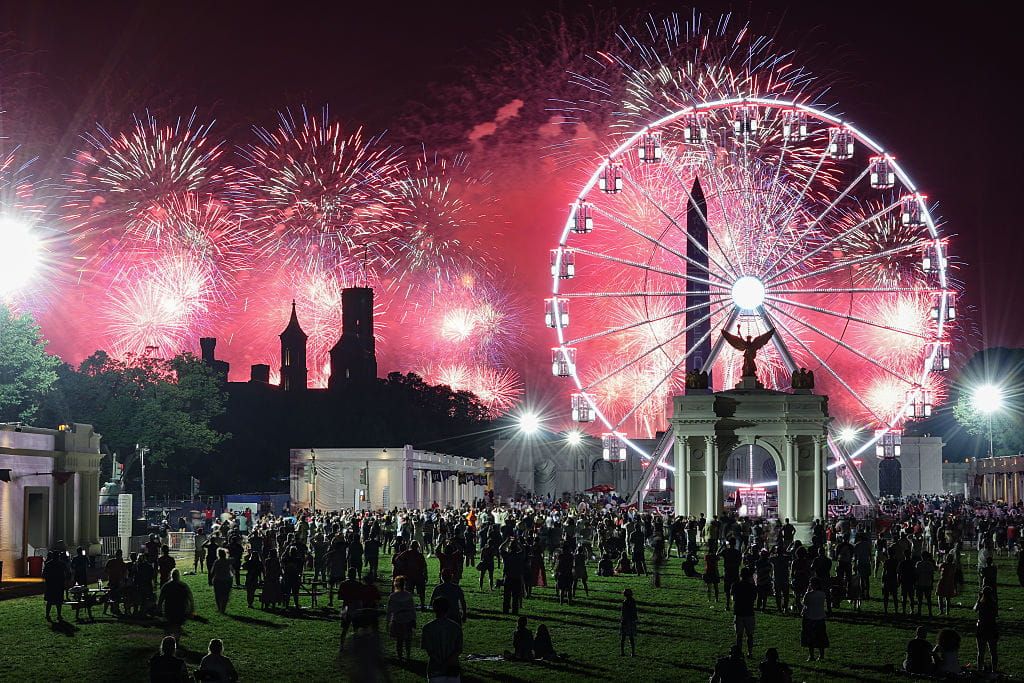
The Fourth of July semiquincentennial celebrations were every bit as big as expected, with communities across the country turning out to mark 250 years of American independence in full patriotic fashion.
On July 5, 2026, towns and cities from coast to coast staged events that felt weighty and celebratory at once, embracing parades, concerts, and fireworks that drew families and veterans alike. The mood was festive, often loud, and unmistakably focused on tradition, with many gatherings honoring the long arc of American history. Spectators packed riverbanks, city squares, and neighborhood parks to join the nationwide observance.
Major displays in capital cities and regional hubs leaned into pageantry, with marching bands, historical reenactors, and public readings of founding documents. Officials and civic groups used the day to underline civic pride and community ties, encouraging participation from all generations. Local organizers reported large crowds and strong demand for public events, underscoring how symbolic anniversaries can reignite national unity.
Fireworks shows were the headline attractions for many communities, choreographed to music and often running longer than in previous years to mark the semiquincentennial milestone. Safety officials emphasized the need for caution around pyrotechnics, while emergency services stayed on high alert to handle any incidents. The result was a spectacle that balanced flash and flare with sober attention to public welfare.
Cultural programming expanded beyond the usual fanfare, with museums and libraries offering special exhibits about the nation’s founding and its subsequent evolution. These curated displays highlighted lesser-known stories alongside familiar milestones, inviting visitors to reflect on the complexities of 250 years. Workshops and panel discussions created space for deeper conversations about citizenship and civic responsibility.
Food vendors, artisans, and small businesses found the holiday to be a boon, turning public celebrations into marketplaces where local makers could showcase regional flavors and crafts. Economists tracking short-term retail and hospitality upticks noted clear benefits for communities that leaned into the holiday weekend. For many towns, the semiquincentennial served as both a cultural moment and an economic boost.
Veterans and service organizations took visible roles in many ceremonies, lending solemnity to parades and memorial events that punctuated the festivities. Moments of quiet remembrance were woven into larger programs so that celebration and commemoration existed side by side. Those overlaps made the day feel both joyful and reflective.
While social media amplified highlights, live attendance showed that people still value in-person connection on major holidays, especially when an anniversary of this scale is involved. Local leaders and volunteers deserve credit for staging large, mostly smooth events under hot summer conditions and heightened logistical demands. The semiquincentennial proved to be a wide-ranging civic moment that many communities treated as a once-in-a-lifetime celebration.
(Photo by Kevin Dietsch/Getty Images)

