

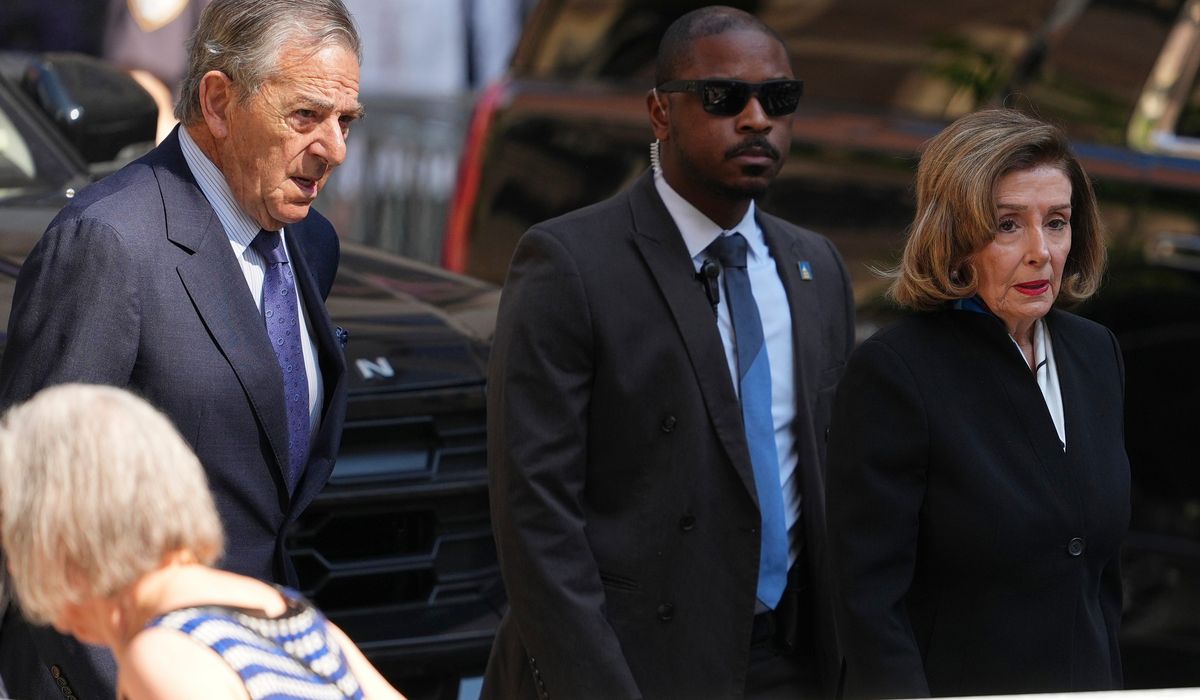
Former House Speaker Nancy Pelosi’s husband was involved in a hit and run on Friday in California’s wine country that left one car with “major damage,” according to local authorities, and the incident has quickly drawn attention because of his public profile.
The initial report says the crash happened on Friday in California’s wine country and one vehicle suffered “major damage,” according to local authorities. Details beyond that description remain limited in early reports. Officials are continuing their work to piece together what happened and who was involved.
Local law enforcement typically treats hit and run cases seriously, especially when there is substantial property damage or potential injury. Investigators will look for witness statements, traffic camera footage, and physical evidence at the scene. Those standard steps matter more when the people involved are well known.
Because the person involved is the husband of a high profile, former House speaker, the incident is drawing extra scrutiny. High profile figures often get faster public attention and more media focus than average citizens. That attention raises reasonable questions about whether the process will be handled like it would for anyone else.
From a Republican viewpoint, fairness is the central issue here. If the law applies equally, investigators and prosecutors should be transparent about their findings. Republicans often point out that the public has a right to see the same standards enforced without favoritism.
Practical matters will drive the next steps: insurance claims, repairs for the damaged vehicle, and potential civil suits if property or people were harmed. Hit and run cases can escalate into criminal charges depending on evidence and whether the driver left the scene intentionally. The presence or absence of injuries will heavily influence how authorities proceed.
Eyewitness accounts and any available video will be key to clarifying responsibility. In many modern investigations, traffic cameras or nearby surveillance capture moments that witnesses miss. When public figures are involved, those recordings often surface quickly and shape public perception before official statements arrive.
Media coverage tends to polarize incidents like this, with partisans on both sides pushing narratives that suit their audience. Republicans will emphasize equal treatment under the law and insist on clear answers. That insistence is less about politics and more about confidence in institutions that must handle everyone fairly.
Authorities will also weigh whether the event was truly a hit and run or a misunderstanding that can be resolved through insurance and civil exchanges. Sometimes drivers leave the scene out of confusion or fear and later cooperate when contacted. Other times, prosecutors find enough evidence to pursue criminal charges if leaving the scene worsened the harm.
The high profile nature of the people involved means public trust will hinge on prompt, visible action by law enforcement. Republicans expect investigations to be timely and unvarnished, so people see that rules matter regardless of status. That expectation is a practical check on any appearance of special treatment.
Legal experts will likely examine what happened through the lens of California traffic statutes and hit and run provisions, while local authorities focus on fact gathering. Insurance companies will sort claims and may investigate separately to determine fault and coverage. Both tracks move forward independently but can influence each other.
As the story develops, observers should keep an eye on official updates from investigators rather than partisan commentary. The evidence will determine whether this is a routine accident, a minor misunderstanding, or a case that requires criminal charges. Republicans will watch to make sure the outcome reflects the facts and not the influence of status.

