

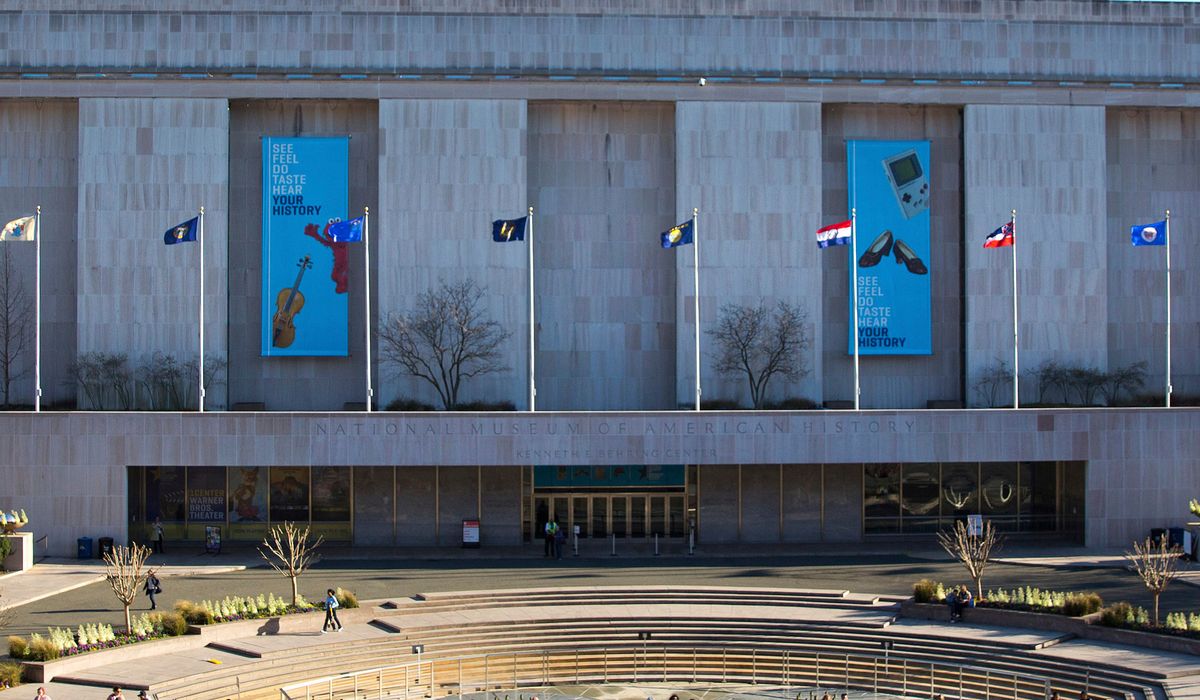
The White House issued a scathing report accusing the Smithsonian Institution of warping history to match far-left ideology, saying the world’s largest museum, education and research institution has drifted from its mission and must answer to taxpayers and elected oversight.
The report paints a picture of cultural institutions bending their narratives to fit an ideological script, which the White House sees as a misuse of public trust. From exhibit choices to educational programs, the criticism centers on a perceived shift from impartial scholarship toward activism. That shift, the administration argues, undermines the Smithsonian’s role as a custodian of shared history.
Republican lawmakers and allied commentators have seized on the report as confirmation of long-standing concerns about politicization in federal cultural agencies. They argue the Smithsonian’s reach gives it a special responsibility to present history without partisan framing. For many conservatives, the issue is not the telling of difficult stories, but the insistence on a single political lens.
The report stresses accountability, reminding readers that the Smithsonian operates with significant taxpayer support and enjoys unique federal privileges. Those funds and privileges, the White House says, carry an obligation to operate transparently and serve the whole public. The rhetoric makes clear that oversight and possible reforms are on the table if leadership cannot demonstrate a neutral commitment to scholarship.
Critics point to broad themes rather than isolated exhibits, arguing that a steady pattern of decisions reflects institutional priorities. They note hiring practices, educational outreach and exhibit narratives as areas where ideology can shape what millions of visitors learn. That concern is political because it touches how Americans understand their past and what values are celebrated in public spaces.
Calls for transparency are practical as well as political, with demands for clear curation policies and publicly available criteria for exhibit selection. Republicans pressing the case want to see how decisions are made and who influences them. They frame this as protecting scholarly standards, not censoring debate.
There is also a budget angle to the debate, with critics questioning whether federal dollars should support programming that appears to take a political stance. For some conservatives, the solution includes stricter reporting requirements and tighter oversight of how grants and federal support are used. This is part of a broader push to ensure federal funding serves universally accepted educational aims.
The Smithsonian’s defenders say museums have always interpreted history in light of new research and social awareness. They argue that evolving narratives reflect legitimate scholarly progress and the inclusion of previously marginalized voices. That tension between change and tradition is central to the fight over how national institutions should evolve.
Republican voices in the debate emphasize stewardship: museums hold artifacts and stories that belong to all Americans, so curatorial choices should be balanced and defensible. They insist that institutional leaders must guard against advocacy that masquerades as scholarship. For many, the remedy starts with leadership changes and strengthened governance that prioritizes factual accuracy over political messaging.
Beyond governance, the discussion touches on civic education and trust. When national museums are perceived as politically slanted, public confidence erodes and civic memory becomes contested territory. The White House report aims to push institutions back toward commonly shared narratives while still allowing room for honest, evidence-based reassessment.
Practical remedies floated by critics include clearer exhibit review processes, independent advisory panels with diverse viewpoints, and regular public reports on educational programming. Those steps are pitched as ways to restore balance without erasing difficult aspects of history. The debate will likely play out in hearings, budget negotiations and public opinion as both sides argue for their vision of national memory.
At stake for Republicans is not only the Smithsonian’s internal culture but a broader principle about how taxpayer-funded institutions represent the nation. They frame the fight as defending historical truth and public accountability against politicization. The outcome could reshape expectations for museums and federal cultural agencies across the country.

