

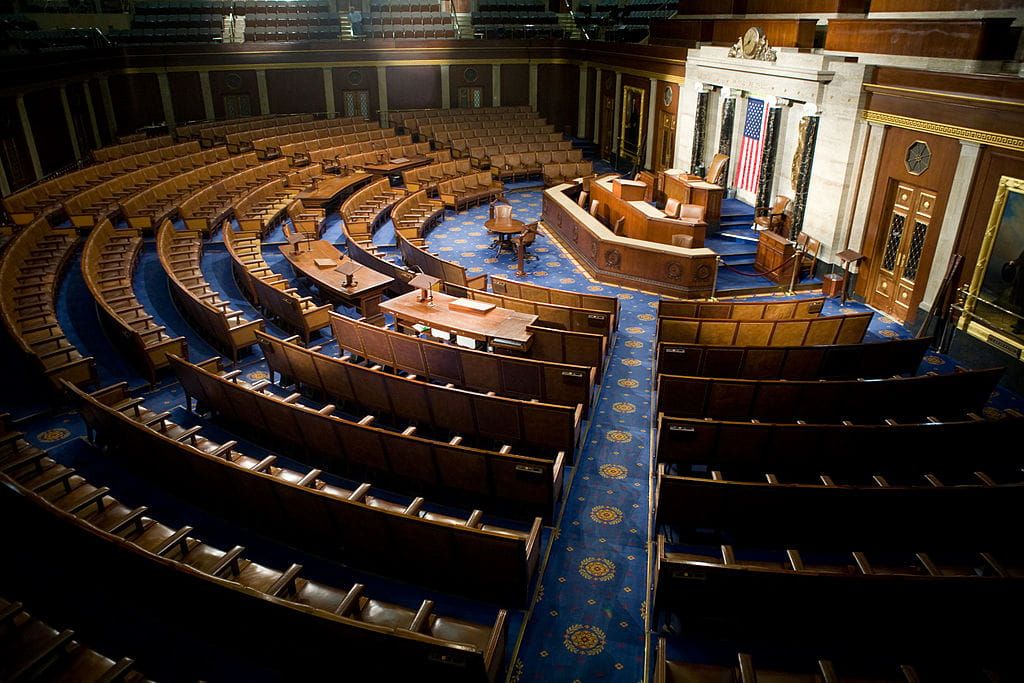
Congress keeps drifting into recesses as a long list of must-pass bills sits unfinished, the election looms, and the September 30 funding deadline approaches.
Congress has again wrapped itself in pro forma sessions and short returns while major items pile up on the calendar. With 120 days until the general election, lawmakers plan to be in Washington for only a fraction of the remaining stretch. Voters should note both how little gets done and who’s willing to hold the line on priorities.
The unfinished docket is not petty paperwork—these are large, consequential measures. FISA Section 702 reauthorization lapsed on June 12, the 2026 Farm Bill remains unresolved, and the save-or-sink fights over election law and immigration funding persist. Add the $1.15 trillion National Defense Authorization Act and the annual federal funding bills, and the workload is obvious.
The government funding cliff on September 30 is the headline risk most Americans will feel if Congress keeps this pace. If a continuing resolution or full-year appropriations are not signed by then, essential services face another shutdown. That’s not abstract; it’s a real deadline with real consequences.
Earlier this year the nation already endured prolonged funding conflicts, including the longest partial DHS shutdown on record. From February 14 to April 30, funding fights stalled operations, and DHS remained unresolved for 76 days after lapses began. ICE and CBP funding only moved later via reconciliation on June 9, a messy route that highlights dysfunction.
There have been flashes of activity that looked good for headlines but not for results. As one outlet asked on May 15, “Is it real – or just political theater?” That question still fits: quick post-recess shows can masquerade as progress, while substantive votes remain shelved. Too often, cameras return to empty halls and not to votes.
Political dynamics make solutions harder. The House passed the SAVE America Act, which President Trump favors, but the Senate lacks the votes to push it through without changing filibuster rules. A handful of House conservatives and the White House are leveraging other bills, refusing to clear certain items until the voting measures move, turning negotiation into hostage-taking.
Meanwhile, the White House has put its own pressure on the process: the 21st Century ROAD to Housing Act was passed, but President Trump has said he will not sign it until he gets the SAVE America Act. That stance makes the path forward a series of haggles, not straightforward lawmaking, and delays simple fixes.
The calendar math is unflattering. There are about 17 weeks until Election Day, but the House is only scheduled to be in session for roughly six of those weeks and the Senate for about seven. Only four weeks have both chambers sitting at the same time, leaving about 19 joint working days to finalize several major packages.
Specific session windows illustrate the pinch. The House plans to work from July 13 to July 23, then recess until late August before returning through September 25. The Senate’s calendar is split as well, with time from mid-July to early August and a short stretch in September. Those narrow windows force trades and rushed votes instead of deliberative lawmaking.
That compressed schedule gives incumbents little immediate electoral accountability for inaction; lame ducks slip away in December while winners enjoy long stretches before facing voters again. If either chamber flips in November, a new majority could reverse priorities come January, adding further uncertainty to any interim deals. The current setup rewards delay and strategic short-term wins over steady governance.
Folks watching should keep two things in mind: the calendar is unforgiving and the list of unfinished bills is long. Reauthorization of intelligence authorities, immigration and border funding, defense spending, farm supports, and baseline government appropriations are all on the line. With the clock ticking, the coming weeks will show whether Congress will actually legislate or just talk about it.

