

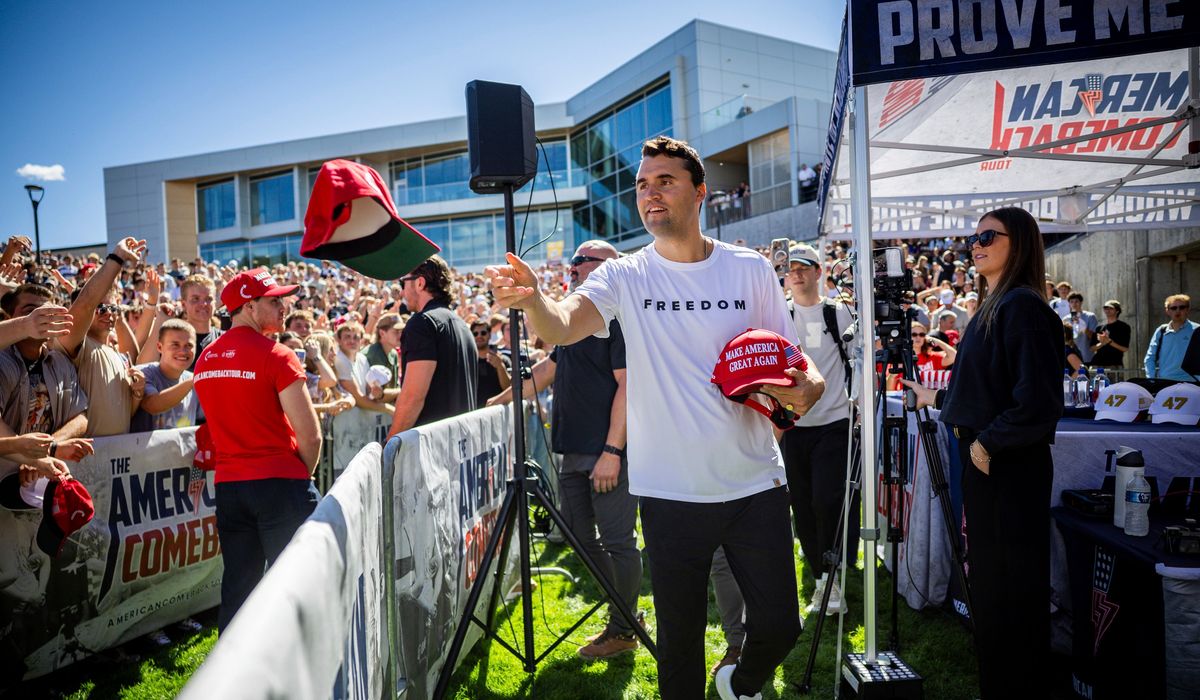
A former Utah Valley University police officer testified Monday that he heard a gunshot and saw Turning Point USA founder Charlie Kirk fall to the ground while Kirk was engaged in a verbal exchange with students.
The testimony came in a courtroom setting where the officer described what he observed in real time, putting an eyewitness on the record. He said he heard a single gunshot and then watched Charlie Kirk collapse to the pavement during an interaction with students. Those few seconds are now central to how prosecutors and defense frame the case and the sequence of events on campus.
Charlie Kirk, founder of Turning Point USA, was identified in the officer’s account as the person who fell after the sound of a shot. The officer’s role as a campus law enforcement witness gives his words weight for jurors and the judge. His testimony focuses attention on the exact moments surrounding the gunfire and whether the collapse was the result of an injury or another cause.
From a conservative perspective, the scene raises immediate questions about safety and free speech on college campuses. Conservatives often argue that conservative speakers face hostile environments and that adequate protection and fair treatment should be standard. Having a uniformed officer testify about hearing a gunshot underlines the stakes when public figures visit campus and engage with students.
The officer’s account will be tested by cross-examination and compared against other evidence, such as videos, medical reports, and additional witness statements. Eyewitness testimony can be powerful but imperfect, so defense and prosecution will both try to place this account next to material facts. The timing of the gunshot, the position of attendees, and any available recordings will matter more than words alone.
Legal teams will want to clarify whether the officer actually saw the source of the gunfire or only heard it and then observed the aftermath. That distinction matters for establishing who fired any shot and under what circumstances. The courtroom will probe whether the officer’s view was clear, obstructed, or influenced by the chaos that often follows a loud sound on campus.
Beyond the courtroom, this testimony is already shaping political conversation. Conservatives sympathetic to Kirk will point to the officer’s words as evidence that the situation was dangerous and that campus hosts must do a better job protecting speakers. Others will underscore the need for a full accounting before drawing conclusions, stressing that one witness is part of a larger factual picture.
Investigators and attorneys will now assemble a timeline that fits the officer’s memory with other pieces of evidence. That timeline will inform charging decisions, possible defenses, and any policy discussions about event security. What was said in the seconds before the shot, who was nearby, and how officials responded will all be tested as the case moves forward.
For conservatives watching this play out, the officer’s testimony is a reminder that campuses are contested spaces where safety and speech collide. The details that follow in discovery and trial will determine whether this was an attack, an accident, or a confusing moment misread in the heat of confrontation. Either way, the testimony has already pushed the incident into the national spotlight and set the terms for the next legal maneuvers.

