

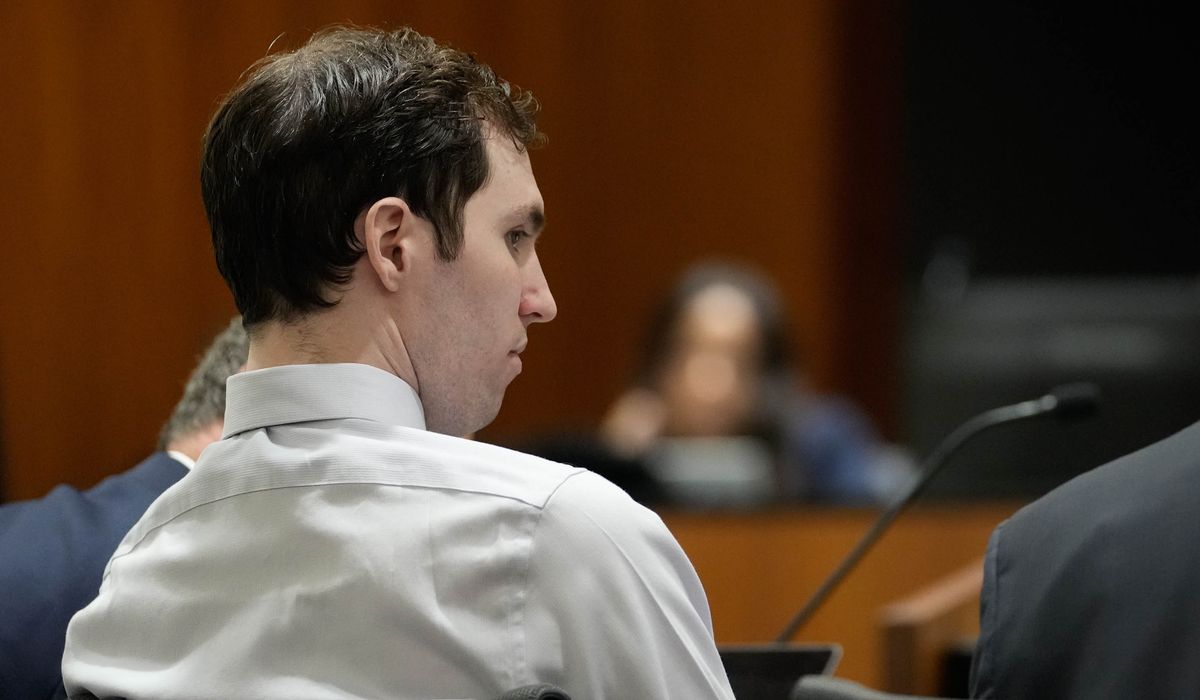
Prosecutors in Utah began laying out their case Monday against Tyler Robinson, the man accused of attempting to assassinate conservative commentator Charlie Kirk, and the courtroom heard graphic video evidence alongside witness testimony as the legal process moved forward.
In a packed Utah courtroom, prosecutors opened a detailed presentation of evidence against Tyler Robinson, accused in the shooting involving Charlie Kirk. They played graphic video from the scene for jurors and attendees, a common step when the state wants the facts laid bare. The visual material set a sober tone for the proceedings and underscored the gravity of the charges.
Witnesses were called to describe what happened and what they observed before, during, and after the shooting incident. Testimony helped place the video clips in context and aimed to build a timeline the jury can follow. Prosecutors used the combined testimony and footage to create a narrative of intent and action.
From a Republican perspective, political violence is an attack on basic civic norms and must be met with full legal force. Elected officials and private citizens who take part in public debate deserve protection, and the justice system should apply the law firmly and fairly. The courtroom focus on evidence reminds voters that due process, not vengeance, is the right path.
Defense teams typically respond by challenging the clarity or interpretation of evidence, and this case is no different. Questions about how video is captured, who recorded it, and what it actually shows are standard defense lines. Those challenges will be explored in cross-examination and motion practice as pretrial work continues.
Prosecutors expect jurors to assess both the raw footage and human testimony together, not in isolation. That combination can be powerful because videos convey details a witness might miss, while witnesses provide motive, intent, and sequence. The interplay between sight and speech is central to how juries make sense of violent crime cases.
Outside the courtroom, reactions have been swift and pointed, reflecting broader tensions in American politics. Supporters of Charlie Kirk and those who oppose political violence have been vocal in demanding accountability. At the same time, people concerned about fair trials emphasize the need to avoid inflaming jurors or the public before deliberations conclude.
Law enforcement testimony, when present, is critical for explaining investigative steps and forensic findings that the video alone cannot convey. Officers and crime scene specialists can connect dots about trajectory, entry points, and the sequence of events. Those technical details often decide whether prosecutors meet the burden of proof required for conviction.
Republican commentators emphasize that the rule of law must protect speech and ensure consequences for violent acts, regardless of the target’s politics. This stance recognizes the role of strong institutions in preserving public debate and preventing escalations of retaliation. Keeping the system impartial while insisting on accountability is a balance conservatives stress.
Courtroom procedure will continue to shape how this case unfolds: pretrial motions, evidentiary rulings, and jury selection are all upcoming steps that matter as much as the headline evidence. Each stage gives both sides an opportunity to frame the narrative the jury will ultimately consider. The legal timetable is deliberate by design, intended to separate true facts from speculation.
For now, the images and testimony presented Monday have set the record of what the state believes it can prove beyond a reasonable doubt. Jurors will weigh that record carefully against legal standards and instructions from the judge. The process is meant to deliver a verdict grounded in evidence and law, not in partisan pressure.
Throughout the trial, observers on the right emphasize protecting public figures from violent attacks while insisting the accused receive a full and fair defense. That dual focus—safety for citizens and fairness for defendants—reflects a conservative view of how justice should work in a free society. As the case proceeds, courtroom evidence and legal argument will determine the outcome, not headlines or social media outrage.

