

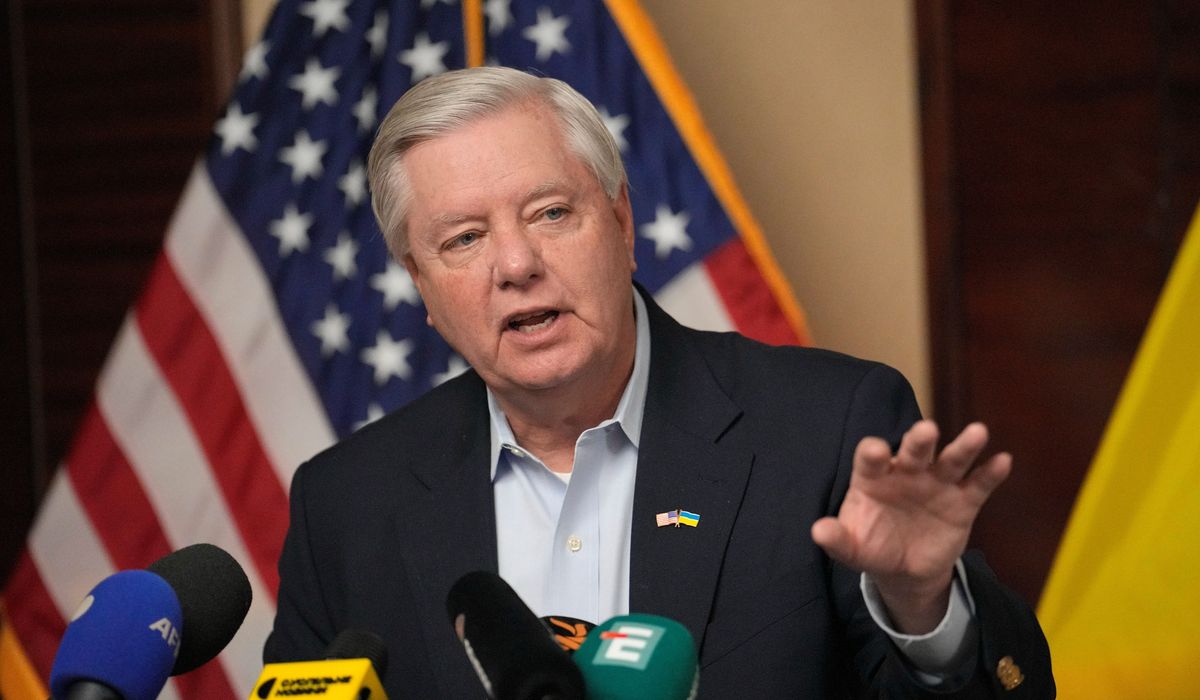
U.S. Sen. Lindsey Graham, a close ally of President Trump and a consistent hawk on foreign policy, died Saturday evening after a &quo
U.S. Sen. Lindsey Graham’s death landed like a gut punch for conservatives who watched him fight for a tough American posture overseas. He built a reputation as a blunt, effective senator who traveled widely to press for a stronger U.S. role in the world. Many on the right admired his willingness to mix with allies and rivals alike to advance American interests. His passing leaves a gap in the Senate for hawkish, results-focused leadership.
Graham was a fixture in foreign policy debates, known for pushing a muscular approach that rejected passivity and appeasement. He saw American strength as the central guarantee of peace and prosperity, and he used his perch on relevant committees to push that view. His trips abroad were part of a strategy: meet leaders, see the ground realities, and press for policies meant to deter adversaries. Conservative colleagues credited him for bringing urgency and clarity to national security discussions.
Domestically, Graham worked across hard lines without losing his conservative roots, a skill Republicans valued in an era of loud partisan theater. He often spoke plainly, sometimes abrasively, but his bluntness came from a desire to be effective rather than merely performative. That practical streak made him a reliable vote on issues like defense spending and border security. Voters who wanted action over rhetoric found that in him.
On matters of party and country, Graham balanced loyalty with independence, especially in his relationship with President Trump. He was described in political circles as one of Trump’s closer Senate allies, aligning when he believed it advanced conservative priorities. At the same time, he maintained a reputation for being willing to challenge allies if he thought the country’s strategic interests were at stake. That mix of partnership and scrutiny defined his approach.
Internationally, Graham believed deterrence required credibility and readiness, not wishful thinking. He championed stronger military capabilities and alliances as the best insurance against conflict. Where others argued for retrenchment, he warned that pulling back invited trouble. His comments and votes reflected an impatience with strategies that relied on hope instead of hard power and clear commitments.
Colleagues remember Graham for his intensity, his nonstop travel, and his readiness to make the tough sell in foreign capitals. He treated personal relationships as policy tools, knowing that diplomacy often depends on who’s willing to pick up the phone. That practical diplomacy made him a frequent presence on the international stage and a persistent advocate for causes he believed mattered to national security. For Republicans who want a confident America, Graham was a model of engagement.
The senator’s death on a Saturday evening created immediate ripple effects in the Senate’s conservative ranks, where leadership and strategy conversations start fast. Republicans will need to regroup on committees and in policy fights where his voice was a steadying force. The calendar of national security debates and appropriations doesn’t pause, and his absence will be felt in those rooms where decisions on funding and posture are hashed out. Staffers and lawmakers familiar with his style said the loss will change how some discussions are carried forward.
Privately, many who worked with Graham described him as relentless in pursuit of a goal and unusually stubborn about not letting problems fester. That temperament earned him friends and foes, but it also produced results Republicans could point to when defending the party’s record on security. He was not a sentimentalist about policy; he measured outcomes and pushed for what he believed would keep the country safer. That practical, results-first mindset shaped his long Senate career.
In the wake of his passing, conservative leaders and grassroots activists are left to consider both the policy gaps and the political opportunities ahead. His approach to foreign policy — unapologetically assertive, alliance-minded, and focused on American advantage — will remain a live debate inside the party. As Republican lawmakers and staffers decide who steps into the spaces he occupied, his influence on the party’s posture toward the world will still be a point of reference for months to come.

