

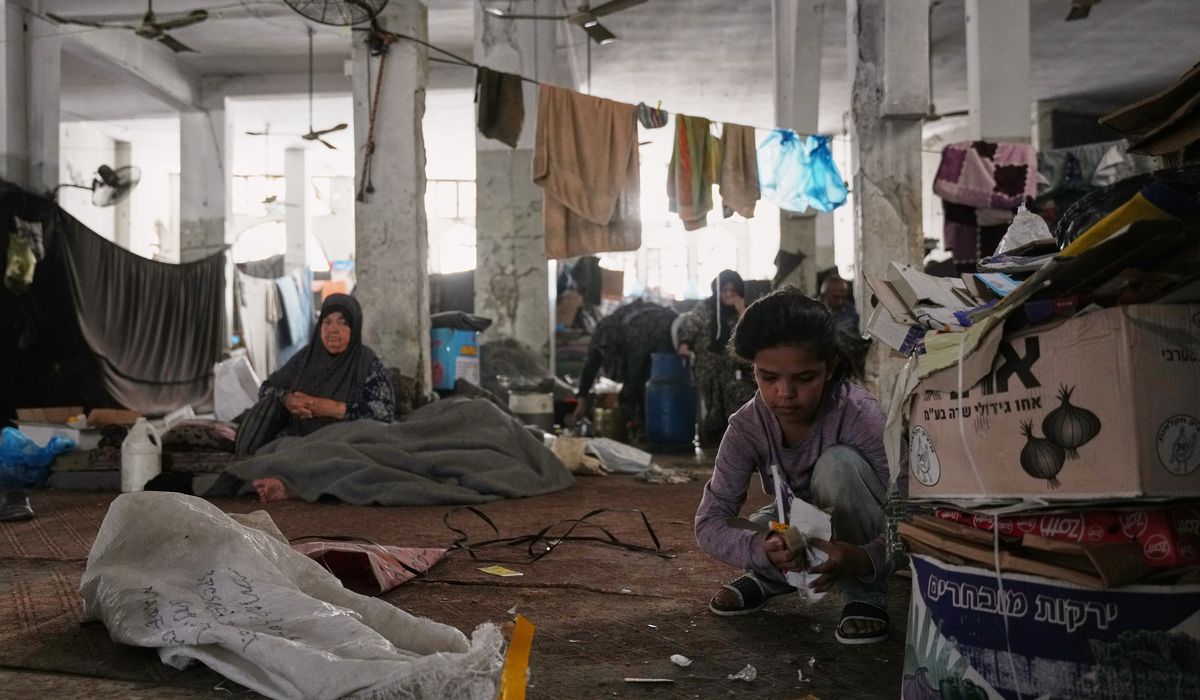
Israeli fire in Gaza on Sunday killed at least five Palestinians, including a 9-year-old girl, and wounded others, according to local health officials.
The scene in Gaza is grim and chaotic, with hospitals stretched thin and families scrambling for answers after the latest rounds of fire. Medical staff there report multiple wounded and say morgues are under pressure as the toll climbs. People on the ground describe fear, confusion, and the steady hum of military activity nearby.
Local health officials are the primary source for casualty counts inside Gaza, and their numbers are the clearest window observers have into civilian harm. Reporting from inside often comes with caveats about access and verification, but the figures lay out the human cost plainly. Journalists and aid workers on the ground face real limits getting a full, independent picture.
It matters who is being hit. Civilians, including children, are the most vulnerable when fighting grinds through densely populated areas. Loss of life among noncombatants shifts public opinion and raises tough questions about how operations are planned and executed. In a conflict like this, minimizing civilian casualties has to be part of the strategy, even while acknowledging the reality of combat.
From a Republican viewpoint, Israel has an undeniable right to defend itself against militant groups that fire from within civilian neighborhoods. That right does not remove responsibility for avoiding needless harm to innocents. Conservatives tend to stress both firm defense against terrorism and careful measures to limit civilian deaths.
The tactical challenge is real: militants often embed themselves in civilian infrastructure and use populated areas to shield operations. That tactic forces choices that carry risk for noncombatants and complicates international scrutiny. Responsibility for civilian protection therefore falls partly on those who choose to fight from within civilian settings.
Still, there are practical steps to reduce casualties that defenders can and should take, from better targeting information to timely warnings and corridors for civilians to move. Those measures matter in preventing tragedies, and they help maintain the legitimacy of any military campaign. When civilians are hit, those steps will be part of any after-action review and public debate.
Humanitarian access is a key part of the conversation. Hospitals need supplies, ambulances must be able to move, and aid groups require safe lanes to deliver food and medicine. When access is cut off or dangerous, suffering widens and the toll becomes harder to bear for families already under strain. Ensuring basic services in a war zone is both a moral duty and a practical necessity.
The U.S. role is central to how this unfolds from here. Republican voices typically back supplying Israel with the tools to protect its people while pressing for better safeguards for civilians. That balance reflects a foreign policy that combines strong allies, clear deterrence, and concern for innocent life caught in the crossfire.
At home, lawmakers face pressure from constituents who demand unwavering support for Israel and from others who urge stronger humanitarian oversight. The debate can be sharp and emotional, but it often narrows to two basic points: backing Israel’s security and insisting on protections for civilians. Both elements drive policy choices in Washington and in allied capitals.
Accountability will be part of the story after each incident, with calls for investigations into how civilian deaths occurred and whether proper protocols were followed. Independent reviews can help establish facts and offer lessons to reduce future harm. Those inquiries also shape international perceptions and can influence future support.
Families in Gaza are the ones who pay the heaviest price, and their suffering tends to harden attitudes on all sides. For people who have lost loved ones, the legal and diplomatic debates offer little immediate comfort. That gap between political argument and human loss keeps the pressure on leaders to find ways to protect civilians faster and more effectively.
Media coverage will continue to shape how the public sees these events, and reporting from the ground is vital even when access is limited. Accurate information, clear sourcing, and sober analysis matter more than ever. The story will evolve as more details come in, but the immediate facts reported by local health officials remain a grave marker of the human consequences.
What happens next depends on decisions both on the battlefield and at the negotiating table, if talks ever resume in a meaningful way. For now the practical priorities are reducing harm to civilians, maintaining humanitarian access, and ensuring that military objectives do not come at an unchecked human cost. The stakes are high and the losses are personal for many families on all sides.

