

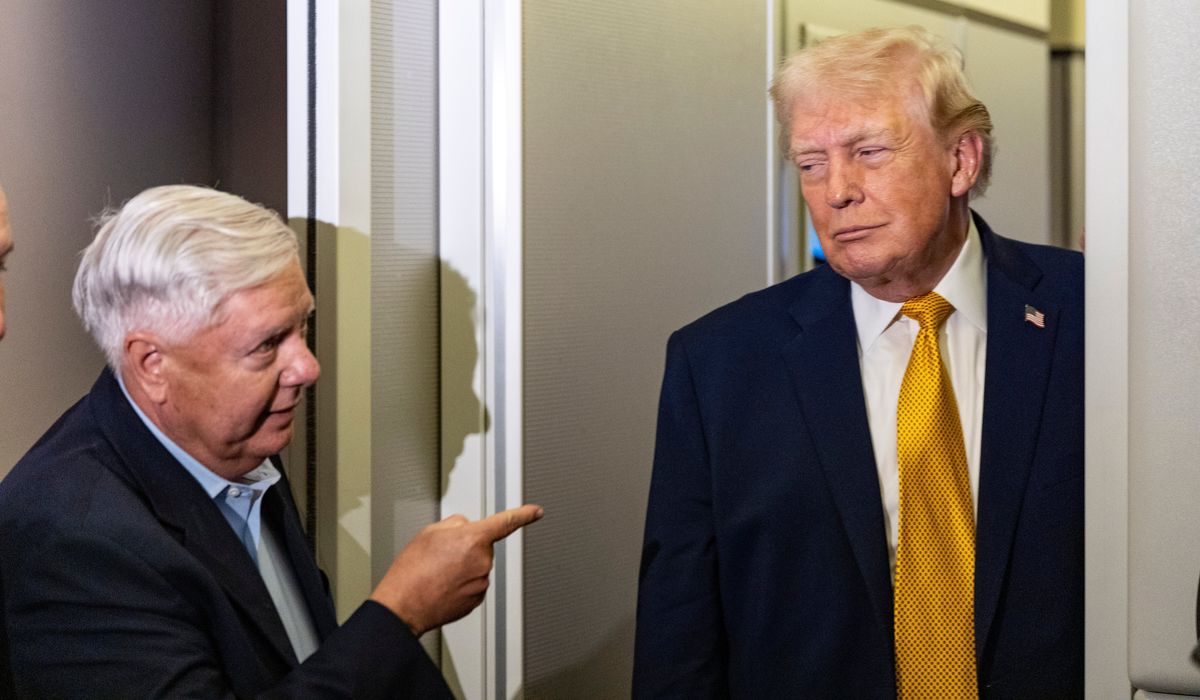
The sudden passing of Sen. Lindsey Graham on Saturday evening drew a wave of reaction that made clear how many lives he touched and how influential his career was.
Sen. Lindsey Graham’s death Saturday evening felt abrupt and personal to many who followed his work. Colleagues, constituents, and opponents reacted, showing that his presence mattered in Washington and back home in South Carolina. The outpouring of sentiments for Sen. Lindsey Graham, who died suddenly Saturday evening, underscored the impact of his life.
He was a familiar figure in debates about national security and the judiciary, someone conservatives leaned on for steady, sometimes blunt voice. Graham often spoke plainly about threats to the country and pushed for a muscular defense posture. That consistency made him a go-to on matters where Republicans wanted a strong, tactical approach.
A conservative approach to governance was central to how he operated, but he also knew how to build relationships. He worked across the aisle at times, earning friends and critics in equal measure. Those relationships often translated into policy wins and pragmatic compromises that shaped major outcomes in the Senate.
People will remember his courtroom-style questions during confirmation fights and his willingness to take unpopular stands when he thought national security was at stake. That combative streak appealed to voters who wanted a senator who would defend American interests without apology. It also made him a recognizable, and sometimes polarizing, figure on the national stage.
Locally, he remained a fixture in South Carolina politics, attentive to constituent concerns and state priorities. His presence in the state delegation influenced federal funding priorities and defense partnerships that mattered to local economies. Whether in town halls or on TV, he managed to keep South Carolina visible in the larger federal conversation.
Graham’s role in the Senate included mentoring younger conservatives and shaping strategy on key issues. He was often consulted when the party needed a detailed plan or a tough public defense of principle. That practical leadership mattered inside closed-door strategy sessions as much as it did on the Senate floor.
Reactions to his passing captured the complexity of a long public life: admiration for toughness, critique for occasional unpredictability, and respect for the willingness to engage. For Republicans, his passing feels like losing a seasoned hand who understood both policy and politics. The mix of tribute and reflection shows how public service leaves a long tail of influence.
In the days ahead, memory and legacy work will unfold in speeches, statements, and local remembrances. Those moments will highlight his contributions and the causes he carried forward. For now, the immediate reaction is a reminder that public careers can be deeply personal to those who witness them up close.

