

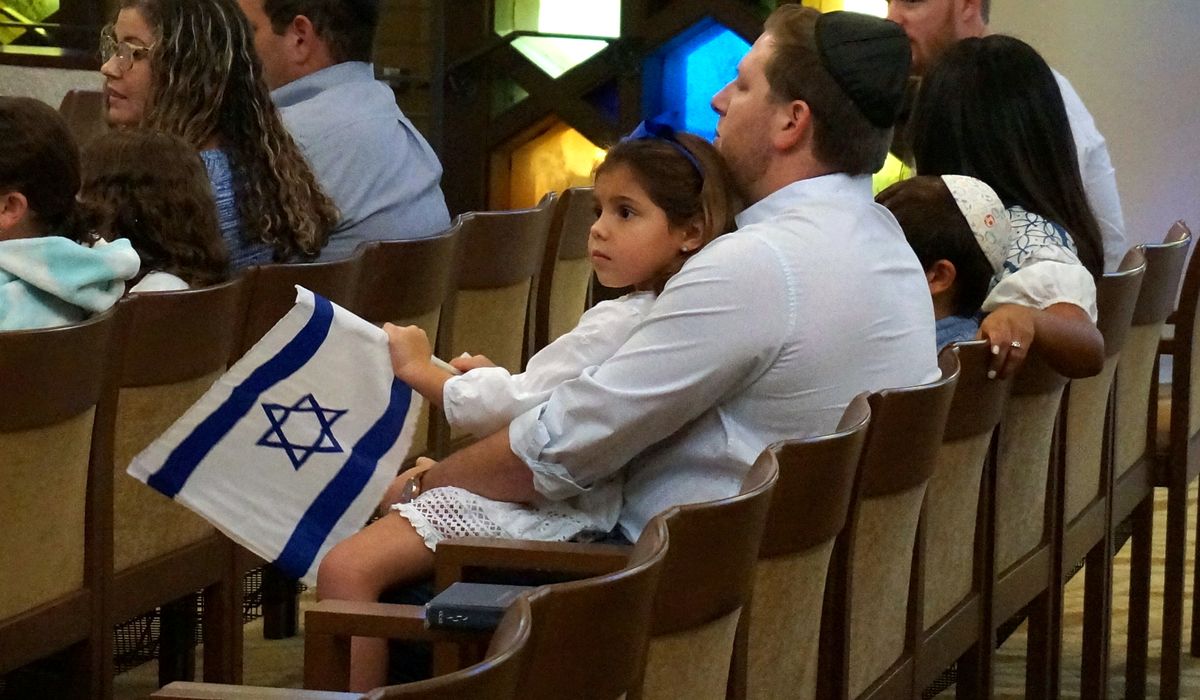
Support for Israel shapes identity for older American Jews while younger generations shift priorities, creating a clear generational divide that touches religion, politics, and community life.
Support for Israel is a key component of the religious identity of many Jewish adults ages 45 and older in the United States, while younger Jewish adults are increasingly focused on different priorities. That generational split shows up in how people connect faith, politics, and communal obligations. The contrast matters for community leaders, politicians, and anyone paying attention to American Jewish life.
For Jewish adults 45 and older, backing Israel often feels like a nonnegotiable part of being Jewish. That view blends faith, family memory, and a sense of national solidarity in ways that are hard to separate. Many in this cohort see public support for Israel as a moral stance and a defense of shared values.
Younger Jewish adults tend to approach identity differently, putting more emphasis on issues like social justice, pluralism, and local community engagement. They may still care about Israel, but it often competes with other causes and questions about how governments should behave. This generational recalibration reflects wider shifts in American politics and culture among millennials and Gen Z.
From a Republican perspective, that older cohort’s strong identification with Israel aligns with a clear, values-based foreign policy that champions allies and confronts adversaries. A straightforward, principled approach to Israel tends to resonate with voters who value stability, national security, and traditional alliances. That political alignment can influence how candidates talk about the Middle East and Jewish voters.
The younger generation’s priorities complicate political outreach because their concerns are more diverse and less predictable along classic party lines. They may prioritize climate, economic fairness, or civil liberties in ways that push candidates to broaden their messaging. For both parties, the challenge is to engage thoughtfully without assuming a single, uniform stance across generations.
Religious communities are also adapting. Synagogues and Jewish organizations aiming to remain relevant must balance honoring long-standing commitments with responding to younger members’ different expectations. That can mean programming that includes robust discussions about Israel alongside community service projects and interfaith efforts. Successful institutions will be those that create space for honest debate while preserving communal bonds.
Media and cultural outlets play a role too, shaping how each generation sees the intersection of faith and foreign policy. Older adults often consume different media than younger ones, which reinforces distinct narratives and priorities. Recognizing that divergence is crucial for leaders who want to bridge gaps rather than deepen them.
Ultimately, the generational split over Israel and identity is a sign of a living, evolving community rather than a single crisis. There are tensions, but also opportunities for meaningful engagement across ages. Political leaders, community organizers, and ordinary citizens who listen with clarity and conviction will be better positioned to respond to these changing dynamics without abandoning core principles.

