

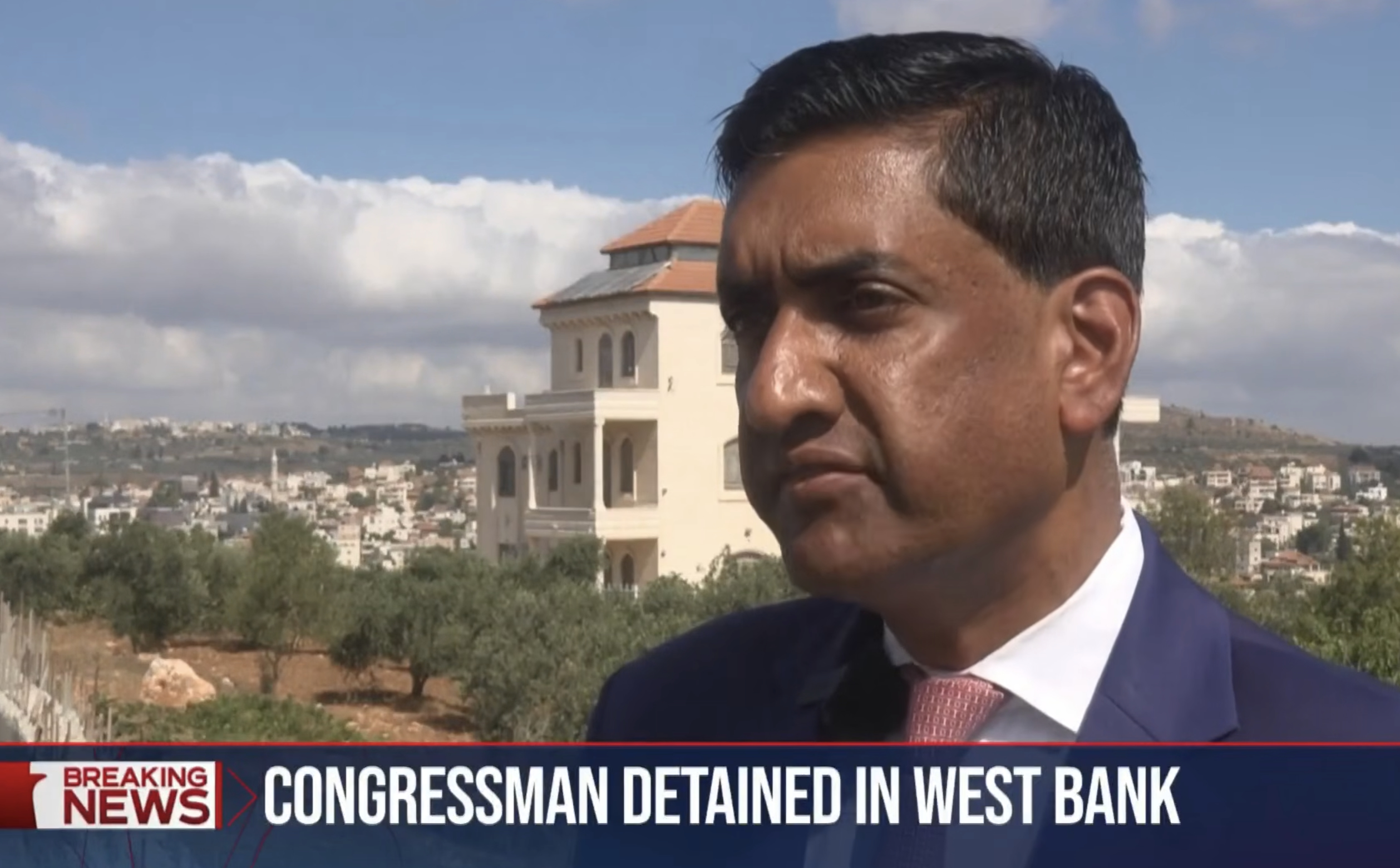
This piece examines how a calculated publicity stunt tied Ro Khanna’s name to the term “presidential candidates” in an establishment newsletter, and why that move matters politically and strategically.
The stunt put Ro Khanna’s name in front of readers with a specific, loaded phrase, and it did so in a way that looks deliberate rather than accidental. From a Republican perspective, this kind of orchestration by establishment media or party operatives deserves scrutiny. It is important to look at both the mechanics and the motive behind deliberately linking a candidate to a presidential conversation.
At its core, the maneuver aimed to shape perception by repetition and placement, taking advantage of an editorial platform to seed an image. When a newsletter prominently connects a name with “presidential candidates,” it signals endorsement or potential viability to casual readers. That matters because media framing often sets the baseline for how voters and donors think about a race before any real debate occurs.
This is not just about one headline or one blurb; it is about the institutional tendency to manufacture front-runners. Establishment outlets, by leaning into promotional tactics, can elevate certain figures while sidelining others who might have stronger grassroots support. For conservatives watching the process, it reinforces a long-standing worry: the political class and its media partners often act as gatekeepers rather than neutral reporters.
Ro Khanna is a practical example of how placement can matter more than substance in the short term. The name recognition engineered by an insert in a widely read newsletter can translate into donor calls and press cycles that would not have happened otherwise. Those spins add weight to a narrative that can be hard to topple once it gains traction among political insiders.
There is also a strategic playbook behind this kind of stunt, and it is worth dissecting. First, get the name associated with high office language, then let the echo chamber do the rest, and finally watch endorsements and fundraising follow. As Republicans, seeing the inside baseball mechanics of that playbook explains why we emphasize vetting and grassroots organization over manufactured buzz.
Operationally, the stunt exposes weaknesses in how voters form impressions. Many people skim headlines and newsletters and form durable impressions from those quick reads. If the establishment is nudging those impressions in a particular direction, the broader electorate can be swayed without a meaningful airing of policy positions or records.
This kind of media maneuver also raises fair questions about accountability and transparency. Readers deserve to know when placement is organic and when it is the result of a coordinated push to boost a perceived contender. Without clear delineation, trust in political coverage erodes, and the public becomes cynical about which candidates are genuinely competitive and which are being propped up by insiders.
For party strategists and activists on our side, the takeaway is practical: track the spin cycles and respond with clear, direct messaging that cuts through manufactured narratives. Counter-programming and grassroots outreach can blunt the effect of establishment-driven placements, but only if conservatives act quickly and decisively. The alternative is to let the narrative set by others define the playing field for months on end.
Finally, this incident tells a larger story about modern politics where optics often outrun substance. Linking a name to “presidential candidates” in a prominent media spot is a small move that can have oversized consequences if no one pushes back. Republicans should keep watching these tactics and insist on a more level media playing field where real records and ideas, not placement games, guide voter choices.

