

A concise account of the expected primetime address and the surrounding political and intelligence questions about claims that foreign actors interfered with the 2020 election.
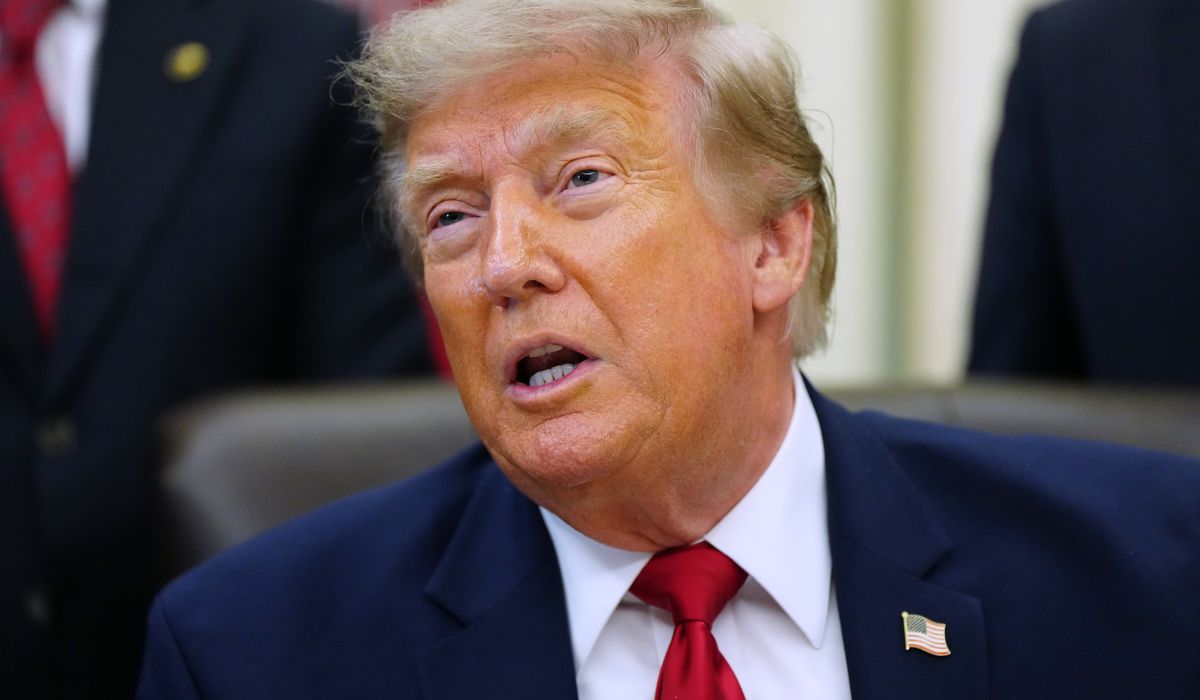
President Trump’s primetime speech Thursday is expected to include newly declassified intelligence revealing foreign entities tampered with the 2020 presidential election. Supporters say this material will finally put classified details on the table for public scrutiny, while critics warn about selective releases and political timing. The announcement has already shifted the conversation on Capitol Hill, forcing members of both parties to respond. The timing and substance will determine whether this is a watershed moment or another partisan flashpoint.
From a Republican perspective, declassification and transparency are long overdue and consistent with restoring trust in our institutions. Lawmakers and voters want facts in the open, not closed-door briefings that are summarized or watered down. When intelligence is kept behind classification labels indefinitely, it fuels suspicion and conspiracy rather than trust. Releasing key evidence undercuts that cycle and lets the public judge for itself.
Critics of the administration will say the move is political, and they have every right to scrutinize motives. But transparency is not partisan when the questions involve national security and the integrity of elections. The intelligence community must be ready to answer follow-up questions with clear, verifiable sourcing and open methodology. If the material is legitimate, Democrats should welcome the chance to debate the findings on their merits rather than dismissing them out of hand.
Expect the speech to focus on specific actors, methods, and the timing of any interference, which will frame follow-up investigations. Republicans argue that naming culprits and explaining how they operated will strengthen safeguards against future meddling. The goal, in this view, is not to score points but to build a consensus on hardening election systems. That requires concrete recommendations alongside revealing what happened.
The intelligence community will face pressure to explain how assessments were made and what confidence levels support each claim. Republicans want clarity on raw intelligence, the analytical process, and any dissenting views among analysts. Transparency about uncertainty matters as much as the initial allegations themselves, because policy responses hinge on otherwise technical judgments. A credible release should include context that shows both strengths and limits of the evidence.
Legal and congressional levers will follow the speech, with Republicans insisting on swift oversight and evidence preservation. Committees may seek classified briefings and subpoena power to compel documents and testimony. The aim is to establish a factual record that can survive political change and potential litigation. Preserving chain-of-custody and forensic evidence will be central to any lasting inquiry.
Public reaction will be mixed, and Republicans expect a portion of the media to treat the disclosures skeptically. That skepticism is part of a healthy system, but it should not be automatic dismissal. Independent journalists and forensic analysts will play a role in validating claims, testing assertions, and verifying timelines. A robust public debate, informed by documents rather than leaks or anonymous claims, is the healthiest outcome.
There are risks if intelligence is released without sufficient corroboration or if it is presented in a way that inflames partisan divisions. Republicans who back disclosure also acknowledge the responsibility to avoid sensationalism and to protect legitimate sources and methods. The balance is delicate: provide enough detail to be convincing while not undermining future intelligence collection. Done right, transparency can strengthen national security and public confidence alike.
The coming address will not settle every question, but it will set the terms of the next phase of oversight and political debate. Republicans expect to use the disclosed material to press for policy changes and legal remedies where appropriate. The most productive path forward is one that moves from revelation to verification, and then to bipartisan safeguards that prevent future interference. What matters now is whether the evidence released stands up to scrutiny and leads to concrete action.

